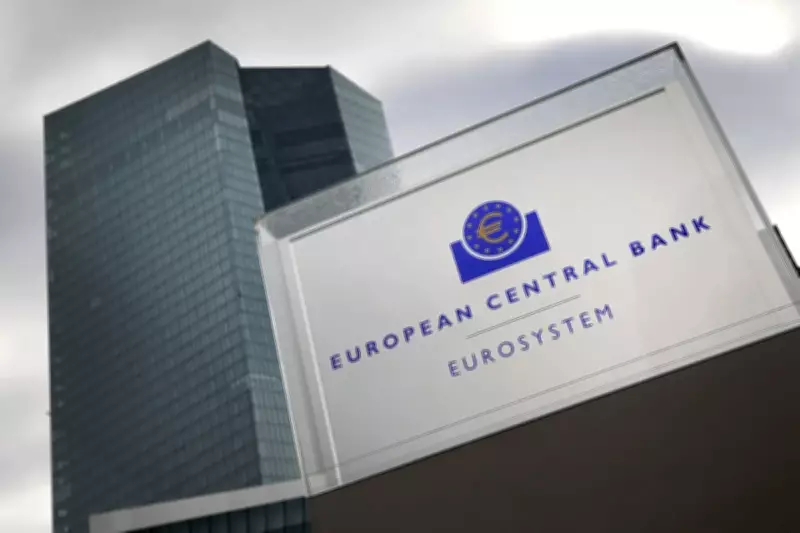
The European Central Bank's latest Survey of Professional Forecasters has revealed a sharp surge in inflation expectations, driven by rising oil prices amid escalating tensions in the Gulf. The survey, released on Monday, found that experts now expect inflation to average 2.7% in 2026, up significantly from 1.8% in the previous quarter.
Key Findings from the Survey
The quarterly survey, which gathers insights from 56 experts affiliated with financial and non-financial institutions across Europe, indicates that the inflation spike is fueled primarily by higher energy costs. Economic growth expectations have been trimmed to 1% for 2026, down from 1.2%.
Despite the sharp rise, there is hope that the shock will be short-lived. Respondents expect inflation to ease to 2.1% in 2027, reach the ECB's 2% target by 2028, and remain there in the longer term. However, this optimism hinges on the duration of the Iran war, which has heightened geopolitical risks.

Impact on Interest Rates
The survey was conducted between March 31 and April 8, before Iran threatened to attack US vessels in the Strait of Hormuz. The renewed tensions have pushed oil prices back toward multi-year highs, increasing the likelihood of interest rate hikes. At its last monetary policy meeting, the ECB kept its main financing operations rate unchanged at 2.15%, but signaled a potential rate hike in June.
ECB President Christine Lagarde warned that the longer the war continues and energy prices remain high, the stronger the impact on broader inflation and the economy. The Survey of Professional Forecasters, first conducted in 1999, has been a key tool for the ECB's Governing Council in setting interest rates.