

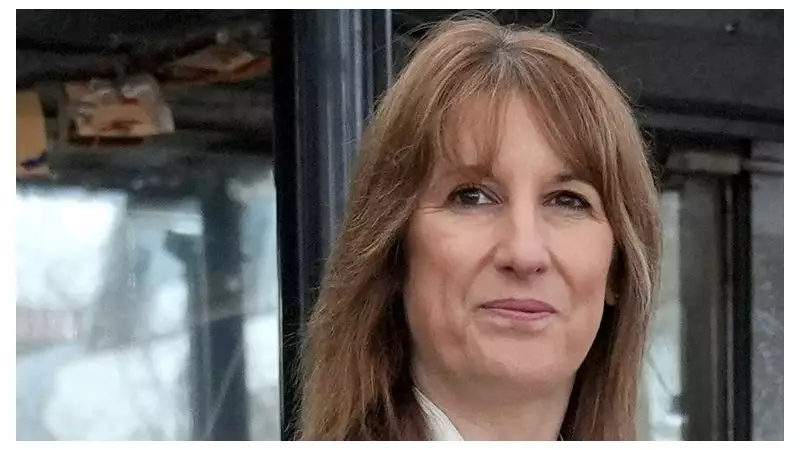
Chancellor Rachel Reeves is facing accusations of "quietly hammering" workers with stealth taxes, following an analysis of her November budget by a leading think tank.
The 'Back Door' Tax Rise
The Centre for Policy Studies (CPS) claims the Chancellor is "raising taxes for millions of workers through the back door." While her Autumn Statement avoided direct hikes to income tax, National Insurance, or VAT, it extended an existing freeze on income tax and National Insurance thresholds until 2031.
This policy of fiscal drag means that as wages rise with inflation, more people will be pulled into higher tax brackets, increasing their overall tax burden without an official rate change. The Treasury defends the move as "fair and necessary," projecting it will raise an additional £23 billion in 2030-31 to fund priorities like reducing NHS waiting lists.

Workers Lose as Pensioners Gain
The CPS, using Office for Budget Responsibility forecasts, calculated the stark real-terms impact. Their analysis suggests that an individual earning £50,000 today will be £505 worse off by 2031, even though their salary is predicted to rise by over £6,000.
In contrast, pensioners are set to benefit significantly. Protected by the triple lock, which guarantees state pension increases in line with the highest of inflation, earnings growth, or 2.5%, a pensioner could be at least £306 better off in real terms by 2030-31. If the state pension remains exempt from income tax even after surpassing the personal allowance, the gain could reach £537.
Those on benefits will also see an improvement, with increases to Universal Credit potentially leaving someone on unemployment benefits £290 better off.
Political Backlash and Defence
The findings have ignited political controversy. Daniel Herring, Head of Economic and Fiscal Policy at the CPS, stated: "Labour's tax policy is quietly hammering workers while protecting pensioners and benefit recipients."
Conservative shadow chancellor Sir Mel Stride accused Ms Reeves of lacking the "backbone to control spending," adding that "hardworking people are paying the price." This criticism is particularly pointed given that Rachel Reeves had previously criticised similar threshold freezes enacted by Tory governments.
A Treasury spokesman highlighted other budget measures, including increases to the national living wage, a £150 energy bill rebate, and freezes on prescription fees, fuel duty, and rail fares. Chancellor Reeves has stated she was "asking everyone to make a contribution" to fund vital public services, and Prime Minister Sir Keir Starmer has promised people will "feel positive change" in their finances this year.






