

The alleged perpetrator of the deadly Bondi Junction terror attack, Naveed Akram, has been formally charged with 59 offences, including committing a terrorist act and 15 counts of murder. The charges come as the New South Wales government recalls parliament to pass urgent legislation on gun control in the wake of Sunday's tragedy.
Political Fallout and Legislative Response
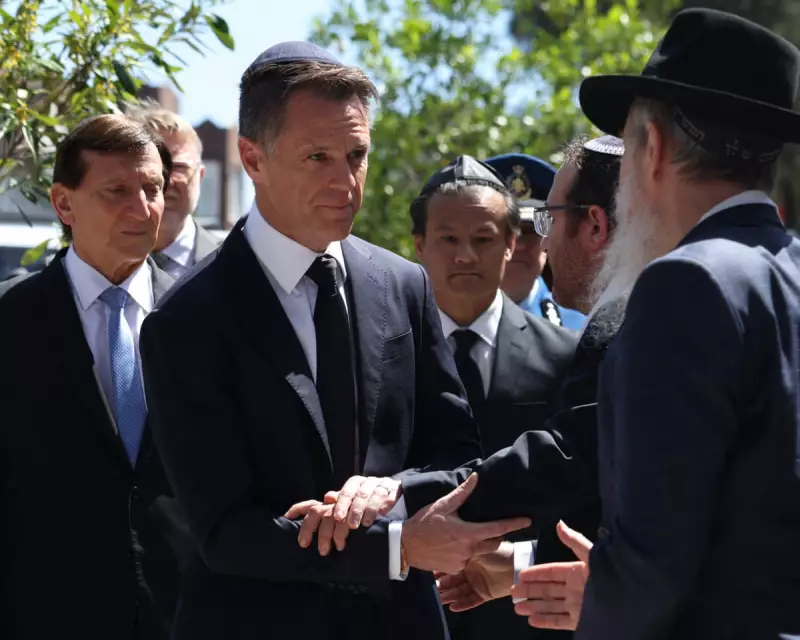
NSW Premier Chris Minns has signalled significant changes to state laws, including restrictions on protests when a terrorism designation is in effect. The premier's presence at the funeral of Rabbi Eli Schlanger, one of the attack's victims, underscored the sombre political mood. Former federal treasurer Josh Frydenberg has called on the Prime Minister to accept personal responsibility for the deaths, a sentiment met with a measured response from Treasurer Jim Chalmers, who stated Labor would take community suggestions seriously.
Opposition Leader Sussan Ley has entered the debate, suggesting Australia should screen incoming visitors for antisemitism. The political urgency is matched by legislative action, with the NSW parliament being recalled specifically to address what the government terms "urgent legislation" concerning firearm regulations.

Community in Mourning and Ongoing Impact
The human toll of the attack continues to be felt deeply. The niece of Boris Tetleroyd, the 13th victim to be publicly named, said his death "has left a void that words cannot express." Hundreds of members from Bondi swim clubs and supporters formed silent circles on the sand and in the ocean in a powerful communal act of remembrance.
As of Wednesday afternoon, 21 people remain hospitalised. Among them is 22-year-old probationary constable Jack Hibbert, who was on duty during the attack and has lost sight in one eye after being shot.
A Moment of Reckoning for Gun Laws
The attack has ignited a fierce national conversation about gun control and community safety. Investigations have pointed to a "frightening concentration" of gun ownership in Sydney, putting pressure on federal and state authorities to act. As the Jewish community grieves—evidenced by the heartfelt words of Rabbi Yehoram Ulman at Rabbi Schlanger's funeral—the broader question of how to prevent such violent acts is at the forefront of the political agenda.
The path forward involves not only tightening gun laws but also examining the social and ideological factors that lead to such attacks, ensuring communities feel protected in the aftermath of profound loss.






