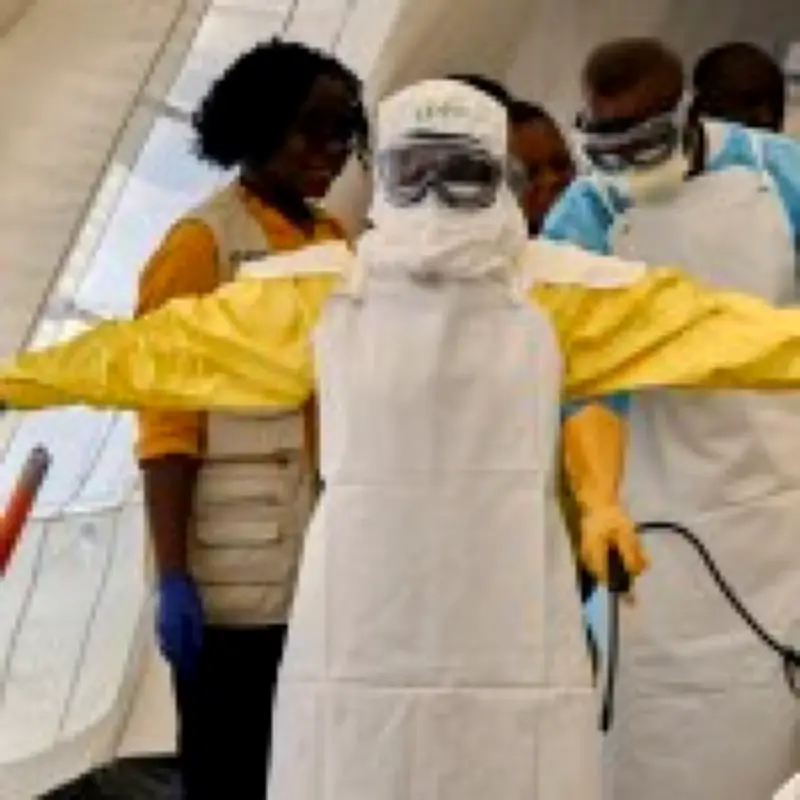
A doctor who was working in the Democratic Republic of the Congo has tested positive for Ebola after returning home to France. The French health ministry said the patient had been on a humanitarian mission and is currently isolating. Those who may have come into contact with the patient are being traced, and the general risk for Europe remains low.
Outbreak in DRC: Largest Bundibugyo Strain Outbreak on Record
Last week, it was revealed that the ‘first line of defence’ against a deadly strain of Ebola has collapsed. The Democratic Republic of Congo (DRC) is facing its largest ever outbreak of the virus, with nearly 781 infected and 267 dead. But Oxfam has warned that the true toll is likely far higher as the country’s contact tracing programme and water infrastructure are at breaking point.
Only one in five health centres in the northeastern province of Ituri, the worst-affected region, has access to enough clean water. In Mongbwalo, a town of 140,000 people, only two in 10 have access to clean water, and a quarter have access to working hygiene facilities.

Why Is This Ebola Outbreak So Concerning?
The strain of Ebola virus behind this outbreak, known as Bundibugyo, is rare and has no vaccine or treatment. The US Centres for Disease Control and Prevention (CDC) has confirmed this is the largest Bundibugyo outbreak on record. North Kivu province is even seeing Ebola cases being identified after the patient has died, unaware they had the illness.
What Is Ebola?
Ebola is a rare haemorrhagic fever which spreads through the fluids of infected and dead patients. Ebola symptoms can start between 2 and 21 days after being infected. They can appear suddenly and include flu-like symptoms, such as a high temperature, extreme tiredness and a headache. Other symptoms include: bleeding from the nose, gums or vagina; being sick; diarrhoea and tummy pain; a skin rash; yellowing of the skin and eyes; blood in your poo; lots of bruises all over your body; bleeding from your ears, eyes, nose or mouth; muscle pain; sore throat; blood in vomit or poo.
Contact Tracing and Healthcare Challenges
Contact tracing – identifying the people an infected person has come into contact with – has just 43% coverage. Oxfam fieldwork found that there are just 0.2 doctors per 1,000 people, and some 70 health facilities have been destroyed by conflict. The years-long violence that has torn the DRC has displaced millions, including people in Ituri, complicating contact tracing efforts.