

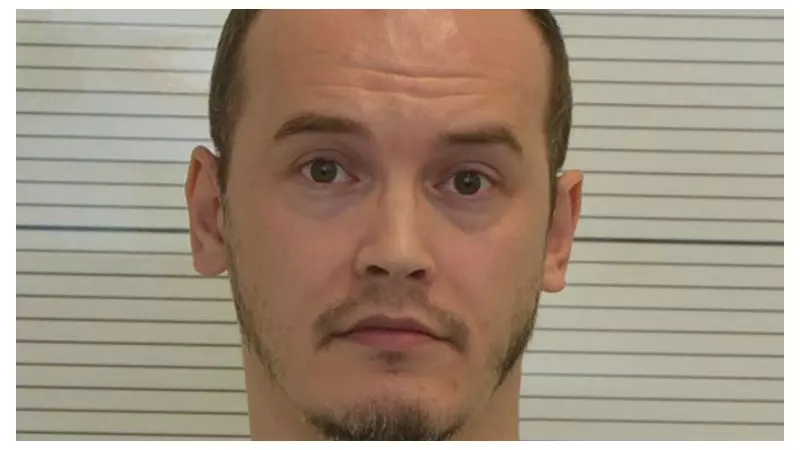
In a landmark legal moment, a convicted terrorist has become the first in the UK to have his parole case heard in public. Oliver Lewin, a 41-year-old telecoms engineer from Coalville, Leicestershire, was sentenced to six-and-a-half years in prison in 2023 for plotting attacks on communication masts and the M1 motorway.
The Case and the Conspiracy Theories
Lewin's crimes were driven by extreme conspiracy theories. He expressed significant hostility towards Jewish people and believed the UK government was controlled by a Jewish elite, naming then-Prime Minister Boris Johnson and former Health Secretary Matt Hancock. Both men are self-professed Christians. Online, he spread false claims that the COVID-19 vaccine was lethal and that the government was complicit in a high-level plot originating from Israel.
His plans escalated in the summer of 2021 when undercover officers discovered he had joined a Telegram group called Resistance UK and was conducting reconnaissance on targets, including a bridge over the M1. Police recovered an air rifle and lists from his possession.

A Historic Public Hearing
On Thursday 18 December 2025, Lewin's parole hearing was conducted publicly at his own request. This marked a historic first, as Parole Board hearings are typically held in private. A rule change in 2022 allowed for public hearings in the interests of justice, but none had previously involved a person convicted of terror offences.
Lewin told the panel he requested the public forum due to increasing frustration with alleged errors in his parole dossier. He also stated his intention to apply to the Criminal Cases Review Commission, believing his conviction was unfair, and admitted to holding a "grievance" against undercover officers.
Shifting Views and Prison Assessments
When questioned about his past antisemitic views, Lewin claimed his position was now "quite the opposite." He referenced the 7 October attacks and subsequent conflict, stating he did not favour either side. He said he had read religious texts and now felt "a healthy amount of respect" for Israeli people, citing sympathy for their historical struggles.
Regarding his rehabilitation, Lewin, who is autistic, said he faces discrimination in prison. He denied opposing the de-radicalisation Healthy Identity Intervention (HII) programme but criticised its focus on "identity politics," fearing it could become a "Soviet-style re-education."
The panel heard conflicting professional opinions. His prison offender manager recommended release, stating he did not believe Lewin posed a serious risk of harm to the public. However, his prison psychologist disagreed, advising against release until he completes a de-radicalisation course. She warned that while his risk was not "imminent," it could become serious depending on his behaviour after release, adding, "I don't feel like we fully understand the ideological drivers."
Lewin served over 500 days in custody before his conviction and could be eligible for release after serving two-thirds of his sentence, potentially by 30 December this year. The panel will hear further evidence in private next week and issue its final decision 14 days after that hearing.






