

Journalist Arrested After Filming ICE Protest at Minnesota Church
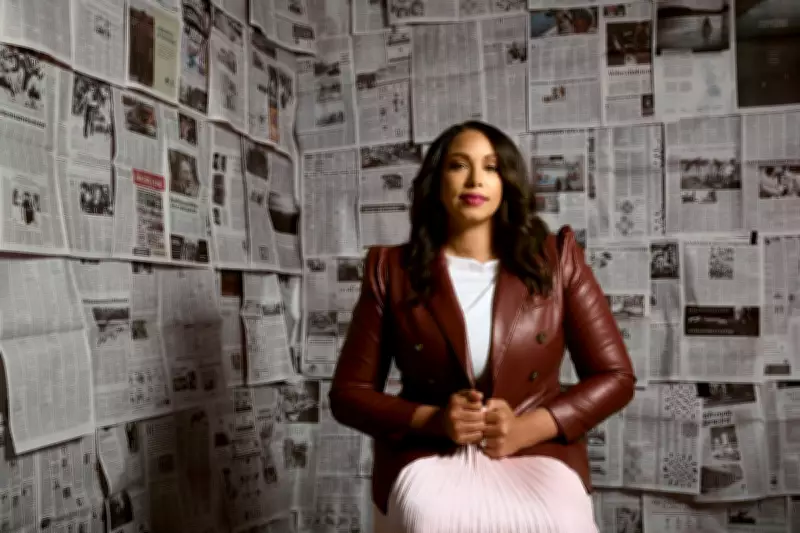
When federal agents arrived at Georgia Fort's front door to arrest her, the independent Minnesota journalist knew exactly what to do: she grabbed her phone and began livestreaming. In a video posted on January 30, Fort informed her audience that her lawyer had advised her to surrender to the agents, even as her three children were inside the house at the time. "I'm going to have to hop off here and surrender to agents," she said in the footage. "As a member of the press, I filmed the church protest a few weeks ago, and now I'm being arrested for that. It's hard to understand how we have a constitution, constitutional rights, when you can just be arrested for being a member of the press."
Charges Stem from Church Protest Coverage
Fort, 38, was one of two journalists charged for covering a protest on January 18 at St. Paul's Cities Church, where the pastor reportedly works as a field director for Immigration and Customs Enforcement (ICE). The other journalist is Don Lemon. The protest occurred during services, with dozens of people entering the church to call attention to the pastor's alleged role at ICE, following the killing of Renee Good by a federal agent earlier in January. Fort explained her decision to go live during her arrest: "I felt like it was necessary to be able to tell my story about who I am and my longstanding commitment to journalism, and to alert the public that this was a violation of my first amendment rights."
Unprecedented Legal Charges Against Journalists
The charges against Fort and Lemon are highly unusual, involving violations of the Freedom of Access to Clinic Entrances Act (Face Act) and conspiracy to deprive others of rights. Gabe Rottman, vice-president of policy at the Reporters Committee for Freedom of the Press, described these charges as "unprecedented." Typically, journalists might face trespassing charges that are often dismissed, but using these statutes against reporters is a new escalation. Rottman noted, "It's another escalation on the part of the second Trump administration. It's exceedingly rare, so much so that it hasn't happened before. These particular statutes haven't been used to charge a journalist."

Impact on Journalism and Family
Fort has worked as a journalist for nearly two decades, producing an award-winning television show and sharing her reporting with over 160,000 followers on Facebook and 130,000 on Instagram. The charges have severely impacted her ability to work, as she is now entangled as a co-defendant in a case she would normally cover. "It's a slap in the face to be prosecuted in the same courts in which I've been credentialed as a member of the press," she said. The arrest has also taken a heavy toll on her family. Her children, aged 17, eight, and seven, were terrified when agents banged on the door and remained outside for hours. Fort's eldest daughter spoke at a press conference, defending her mother: "She is not a protester. She is not an activist. She is a mom working to provide for her children through the only way she knows how, documenting and sharing stories of the community and truth of what's happening here every day in our state."
Broader Implications for Press Freedom
Fort believes that her arrest is part of a broader attack on press freedom, particularly under the Trump administration, which has ramped up efforts to target journalists. She points to other cases, such as the deportation of journalist Mario Guevara in Georgia and the killings of journalists in Gaza, as examples of global threats to the media. "Why would anybody not want you to know truth and facts?" she asked. "Why would someone want to arrest and criminalize the people whose job it is to simply keep you informed?" The case has sparked debates about First Amendment rights, with defense lawyers arguing that the charges are an attempt to muzzle journalists and divert attention from the protest's focus on ICE involvement.

As the legal proceedings continue, Fort remains cautious about her reporting, avoiding coverage of civil disobedience actions due to the risks. "There's things I'm not covering right now because it's too dangerous," she said. "And as much as I do want to serve my community and make sure they're informed, I also want to be with my kids just as much, if not more. So my risk tolerance is zero these days." The outcome of this case could set a significant precedent for press freedom in the United States, highlighting the tensions between government authority and constitutional protections for journalists.





