

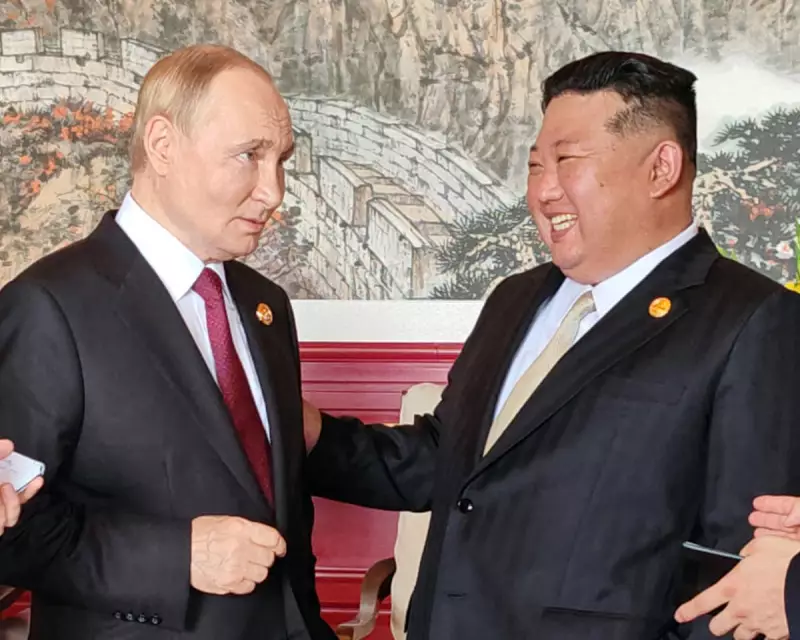
North Korean leader Kim Jong-un has dramatically declared a new era of alliance with Russia, stating the two nations now share a bond of "blood" forged in the conflict in Ukraine. The statement, issued through state media, marks a significant and public deepening of military ties that has alarmed Western capitals.
A Pact Forged in Conflict
The Korean Central News Agency (KCNA) released the leader's remarks on Friday, December 27th. In them, Kim Jong-un framed the relationship as one of ultimate solidarity. He stated that the DPRK and Russia had "cemented a close comradely alliance" and were now "sharing life and death, and blood," directly linking this bond to the "special military operation" in Ukraine. This language represents a stark intensification from previous acknowledgements of cooperation.
Analysts view this as a clear endorsement of Russia's war aims and a signal that Pyongyang sees its future strategic interests as inextricably tied to Moscow's success. The declaration follows months of escalating military exchange, including suspected arms transfers from North Korea to Russia and potential technological aid flowing the other way.

Context of Western Condemnation
This celebratory pronouncement from Pyongyang comes against a backdrop of sustained Western criticism. Both the United States and South Korea have repeatedly condemned the arms trade, presenting evidence that North Korean ballistic missiles and artillery shells have been used by Russian forces on Ukrainian battlefields.
The White House has labelled the partnership "a grave concern," accusing both nations of violating multiple United Nations Security Council resolutions. The emerging axis poses a direct challenge to the international sanctions regime designed to curb North Korea's weapons programmes and penalise Russia's aggression.
Strategic Implications and Future Trajectory
The "shared blood" rhetoric suggests the relationship is moving beyond transactional arms deals towards a longer-term, ideologically-aligned partnership. For Russia, facing stretched resources and international isolation, North Korea represents a reliable source of conventional munitions. For the isolated Kim regime, Russia offers not just economic lifelines but also potential advancements in military technology and a powerful patron on the UN Security Council.
This alliance reshapes security dynamics in Northeast Asia and Europe simultaneously. It complicates the strategic calculus for South Korea, Japan, and NATO members, potentially creating a two-front challenge for allied diplomacy and defence planning. The key question now is how this pact will manifest beyond rhetoric—whether it will lead to joint military exercises, further technology transfers, or coordinated political manoeuvres in international forums.
As the war in Ukraine continues with no end in sight, the consolidation of the Moscow-Pyongyang axis marks one of the conflict's most consequential geopolitical side-effects, creating a new bloc that is openly defiant of the US-led international order.






