

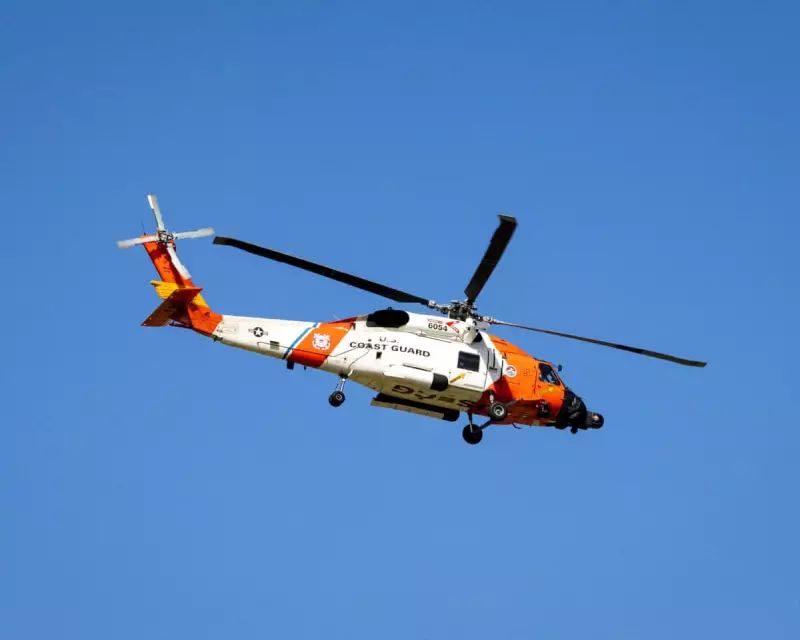
The United States Coast Guard has confirmed it is monitoring a third oil tanker in international waters close to Venezuela, marking a significant escalation in Washington's maritime enforcement actions over the past week.
Escalating Maritime Confrontations
According to officials speaking to Reuters on Sunday, this latest pursuit follows the apprehension of two other merchant vessels carrying oil off the Venezuelan coast. The first seizure occurred on 10 December, with a second following on Saturday. All three vessels were reportedly destined for Asian markets.
One anonymous official indicated the tanker currently being tracked is subject to international sanctions. This action aligns with a recent declaration by former US President Donald Trump of a "blockade" targeting all sanctioned oil tankers travelling to or from Venezuela, as part of a broader campaign to increase pressure on the government of President Nicolás Maduro.

Military Buildup and Political Rhetoric
The Trump administration's strategy has involved a strengthened American military presence in the Caribbean region. This has been accompanied by more than two dozen military strikes against vessels in the Pacific Ocean and Caribbean Sea near Venezuela, resulting in at least 100 deaths.
In a stark interview with NBC News broadcast on Friday, Trump refused to rule out open conflict with the South American nation. "I don't rule it out, no," he stated when asked about the potential for war with Maduro's regime. This sentiment was echoed by Republican Senator James Lankford of Oklahoma, who expressed support for US-backed regime change in Venezuela on CNN's State of the Union.
The Venezuelan government has condemned the US actions, labelling the seizure of the first tanker as "blatant theft" and "an act of international piracy." In defiance, Maduro has urged his navy to escort oil tankers, setting the stage for potential direct confrontations with the largest US fleet deployed in the region in decades.
Economic Implications and Market Jitters
The White House has sought to downplay concerns that the seizures could disrupt global oil supplies. Kevin Hassett, Director of the National Economic Council, described the intercepted vessels as "black market ships" operating illegally to supply oil to countries under sanctions. He asserted on CBS's Face the Nation that Americans need not worry about rising fuel prices due to these specific actions.
However, oil market analysts anticipate a different outcome. A trader told Reuters that the escalating seizures are likely to drive oil prices higher when Asian markets reopen, though expectations of a potential end to the war in Ukraine could help limit further increases.
The situation remains volatile, with ongoing US military movements, including Coast Guard helicopter patrols from bases like Rafael Hernandez airport in Aguadilla, Puerto Rico, underscoring the sustained operational tempo in the region.






