

The government of Trinidad and Tobago has confirmed it will grant the United States military access to its international airports in the coming weeks, a move that comes amid escalating tensions between Washington and Venezuela.
Radar Installation Fuels Speculation
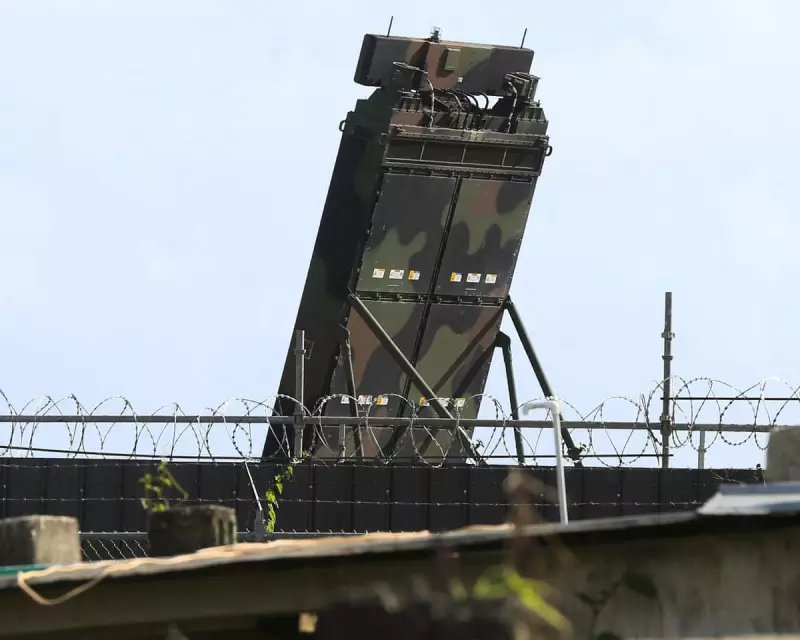
This announcement follows the recent and controversial installation of a sophisticated US radar system at the ANR Robinson International Airport on the island of Tobago. The Caribbean nation's administration insists the radar is solely for combating domestic crime and has pledged that its territory will not be used as a launchpad for attacks against any other country.
However, critics and opposition figures argue that the dual-island state risks being entangled in former US President Donald Trump's ongoing pressure campaign against the Venezuelan government of Nicolás Maduro. The two nations are separated by just seven miles of sea at their closest point, heightening strategic concerns.

Details of the Military Agreement
In an official statement released on Monday, Trinidad and Tobago's Ministry of Foreign Affairs clarified that the US access would be for activities "logistical in nature, facilitating supply replenishment and routine personnel rotations." No further operational specifics were provided.
The situation has been clouded by conflicting accounts from Prime Minister Kamla Persad-Bissessar. She initially stated that a US C-17 aircraft that landed in Tobago was carrying marines to assist with a local road project. After images of the radar emerged, she acknowledged the presence of at least 100 US marines and the military-grade equipment.
The radar is believed to be a long-range, high-performance AN/TPS-80 G/ATOR system, manufactured by the US defence contractor Northrop Grumman. The company states this technology is designed for air surveillance, defence, and counter-fire missions.
Broader Regional Context and Concerns
This development is not an isolated incident. In October, a US warship docked in Port of Spain, Trinidad's capital, as part of the Trump administration's increased military posture towards Venezuela. Furthermore, Persad-Bissessar has publicly praised US-led strikes on alleged drug trafficking vessels in the Caribbean and Pacific, operations which have reportedly resulted in at least 87 fatalities, including several Trinidadian citizens.
These maritime strikes have themselves sparked controversy, with US lawmakers questioning their legality and initiating a congressional review. The twin-island nation, with its two main airports at Piarco in Trinidad and ANR Robinson in Tobago, now finds itself at a delicate geopolitical crossroads, balancing domestic security needs with the perils of regional power struggles.






