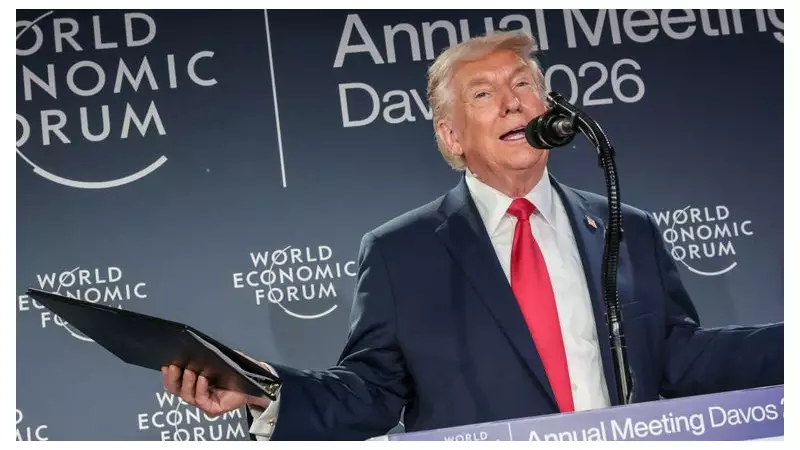
Trump's Greenland Climbdown: A Temporary Reprieve for NATO Allies
Donald Trump's sudden reversal on Greenland has provided a momentary sigh of relief for NATO members, but experts caution that the underlying crisis for the alliance is far from over. The US president's willingness to publicly humiliate and bully traditional allies, such as the UK, France, Germany, and Denmark, serves as a stark wake-up call. At best, this episode has bought European nations some additional time to reassess their defence strategies and reduce reliance on American security guarantees.
The Diplomatic Flip-Flop and Its Implications
In a dramatic shift, Trump transitioned from threatening hostile actions over Arctic territory to posting a conciliatory message on social media about forming a "framework of a future deal" for Greenland. This territory is part of the Kingdom of Denmark, a fellow NATO member, making the public confrontation particularly damaging to alliance cohesion. The ease with which Trump felt he could pressure allies highlights a growing disdain for NATO's collective principles, prompting calls for urgent action to rebuild independent military capabilities.
Mark Rutte's Strategic Role in De-escalation
The climbdown followed a meeting with NATO Secretary General Mark Rutte on the sidelines of the Davos economic forum. Rutte, known for his flattering diplomacy—including referring to Trump as "daddy"—has previously managed to keep the US president engaged with the alliance. His efforts appear to have facilitated a compromise on Greenland, though he lacks legal authority to negotiate for the territory. This strategic sycophancy, while controversial, may have averted an immediate rupture, but it underscores the fragility of NATO's current dynamics.

Unclear Deal Details and Lasting Damage
While Trump announced a potential framework for a deal involving Greenland and the broader Arctic region, the specifics remain vague and subject to approval by Greenlanders and Denmark. More significantly, the damage to NATO unity is already evident. European nations, including the typically loyal UK, have adopted increasingly strident language in pushing back against Trump's demands. This rift emphasises the need for allies to move beyond rhetoric and take concrete steps to enhance their defence postures.
The Path Forward for European Security
To safeguard collective and national interests, Britain and other European countries must accelerate efforts to rebuild their military capabilities. Strengthening independent defences will not only bolster NATO against external threats from actors like Russia and China but also provide a buffer against future unpredictability from US leadership. Rutte's diplomacy may offer a brief respite, but the ultimate solution lies in allies heeding Trump's own call to "step up" and ensure their security is not overly dependent on American whims.