

The US military has confirmed a series of lethal strikes against vessels in international waters, resulting in multiple fatalities as part of an intensified campaign against drug trafficking networks.
Details of the Eastern Pacific Operation
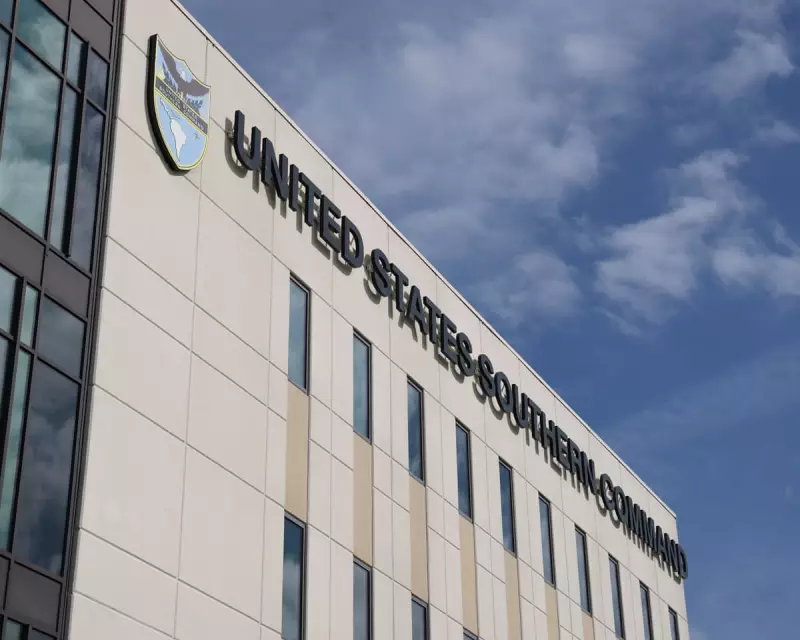
In a statement released on Monday, the US Southern Command (SouthCom) announced it had targeted and destroyed three vessels navigating the Eastern Pacific. The command, headquartered in Doral, Florida, stated that eight men were killed during the operations.
SouthCom justified the actions, asserting that intelligence confirmed the boats were transiting known narco-trafficking routes and were actively engaged in illicit drug smuggling. The command shared black-and-white footage on social media platform X, showing the vessels moving through water before being engulfed by large explosions.

A Militarised and Controversial Strategy
This latest incident is part of a significant escalation under the Trump administration. To date, more than 20 vessels have been struck in the Pacific and Caribbean regions near Venezuela, leading to the deaths of at least 90 suspected drug smugglers.
The strategy of using military force against suspected narcotics transporters represents a sharp break from traditional law enforcement methods. It has drawn growing scrutiny from legal experts, some of whom argue the attacks constitute unlawful extrajudicial killings outside the bounds of conventional judicial process.
Administration Defence and Legal Scrutiny
The Pentagon has moved to defend the legality of the strikes. Earlier this month, press secretary Kingsley Wilson told reporters that operations in the SouthCom region are lawful under both US and international law, and are conducted in compliance with the law of armed conflict.
The strikes followed an executive order issued by President Trump on Monday, which designated the synthetic opioid fentanyl as a "weapon of mass destruction". This classification signals the administration's commitment to employing increasingly militaristic tactics in its war on drugs.
The ongoing campaign continues to provoke debate over the limits of military power in combating transnational crime and the legal frameworks governing such forceful interventions on the high seas.






