

US Launches Major Retaliatory Strikes Against Islamic State in Syria
The United States military has executed a significant series of airstrikes targeting Islamic State (IS) forces in Syria, in direct retaliation for a deadly ambush that claimed the lives of two American soldiers and a civilian interpreter. This aggressive response underscores ongoing efforts to dismantle the remnants of the terrorist network.
Details of the Military Operations
According to US Central Command (CENTCOM), over 30 IS targets were attacked in Syria earlier this month. These strikes, conducted between February 3 and a recent Thursday, focused on critical infrastructure, including weapons storage facilities and logistical networks. CENTCOM emphasized the use of precision munitions delivered by fixed-wing aircraft, rotary-wing helicopters, and unmanned drones, aiming to maintain what it described as "relentless military pressure" on IS.
This recent wave of attacks follows five earlier strikes between January 27 and February 2, which targeted a communication site and additional weapons storage areas. All operations are part of Operation Hawkeye Strike, launched after IS fighters ambushed US and Syrian forces in Palmyra, southern Syria, on December 13. The ambush resulted in the deaths of Sergeant Edgar Brian Torres-Tovar, Sergeant William Nathaniel Howard, and interpreter Ayad Mansoor Sakat.

Impact and Broader Context
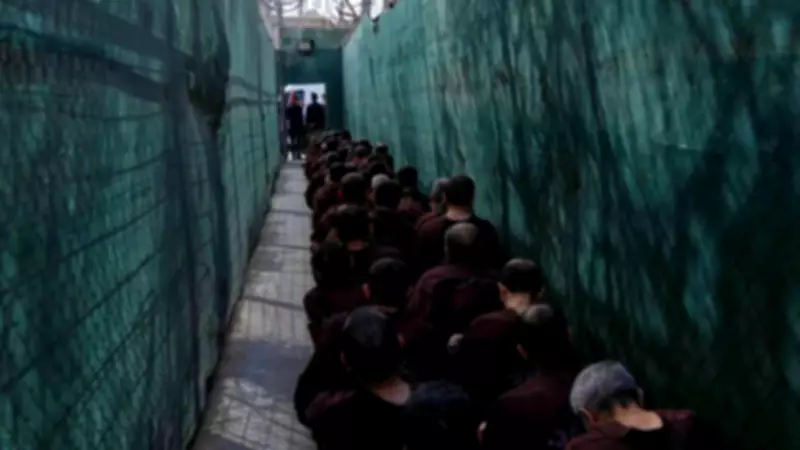
Over the past two months, targeted operations have led to the killing or capture of more than 50 IS terrorists and the destruction of over 100 IS targets. These efforts highlight the persistent threat posed by IS, despite its territorial defeat. In a related development, the US military recently completed the transfer of thousands of IS prisoners from Syria to Iraq, where they are expected to face trial. This move, requested by Iraqi authorities, has been supported by the US-led coalition.
Additionally, Syria's defence ministry announced on Thursday that the Al-Tanf military base, previously operated by US troops in the fight against IS, is now under Syrian control. This shift marks a notable change in the regional security landscape.
Historical Background and Ongoing Threats
Islamic State declared a caliphate across large parts of Syria and Iraq in 2014, enforcing a brutal regime before being largely dismantled by allied forces. However, as evidenced by recent attacks and military responses, the group remains a resilient and dangerous entity, capable of launching deadly assaults and necessitating continued international counter-terrorism efforts.






