Veteran Groups Condemn Government Move on Northern Ireland Legacy Law
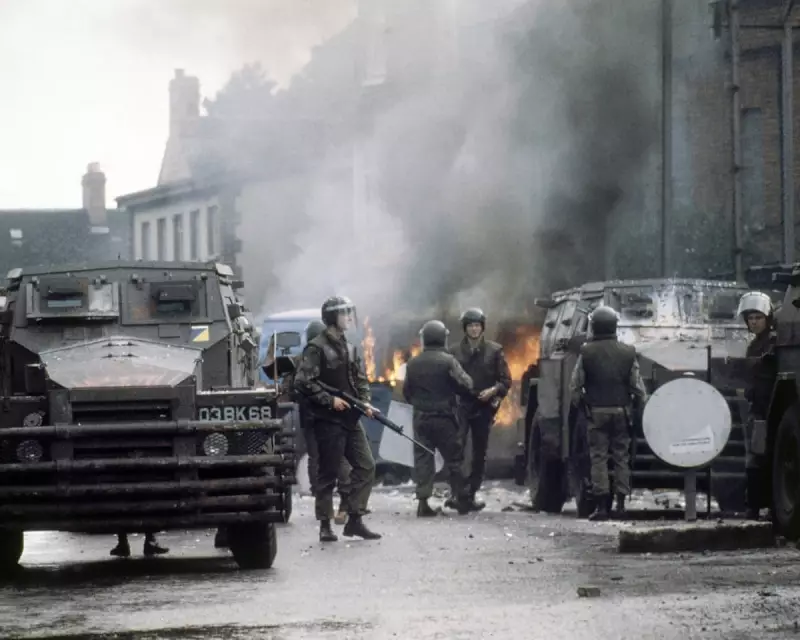
British military veteran organisations have strongly criticised a government attempt to remove immunity provisions from Northern Ireland legacy legislation, arguing this decision will leave former soldiers vulnerable to what they describe as legal "hounding" through the courts. The controversy centres on a remedial order tabled by the government to eliminate the conditional immunity clause originally granted to those accused of wrongdoing during the Troubles.
Parliamentary Vote and Political Positions
Members of Parliament are scheduled to vote on Wednesday regarding a motion to reverse legislation from the previous Conservative government that provided conditional immunity to individuals facing allegations related to the Troubles period. Prime Minister Keir Starmer addressed the House of Commons, stating that the proposed changes would fulfil legal obligations while simultaneously protecting veterans from what he termed vexatious prosecutions. "Under the last government, they passed legislation which was struck down, leaving our veterans utterly exposed. We're putting in place proper measures to protect them," Starmer declared during the parliamentary session.
In contrast, Conservative leader Kemi Badenoch announced her party would vote against the motion, emphasising their commitment to safeguarding veterans from what they perceive as unfair prosecution. The political divide highlights the ongoing sensitivity surrounding legacy issues from the Northern Ireland conflict, with different parties adopting contrasting approaches to balancing legal requirements with veteran protections.

Veteran Concerns and Historical Context
Former SAS commanders have expressed particular concern about Labour's proposals, accusing the government of leaving ex-soldiers susceptible to harassment by what they characterise as "money-hungry law firms" in legal proceedings that could potentially extend for decades. In a letter published in the Daily Telegraph, these commanders argued that "History will not judge this prime minister on how carefully he managed legacy law. It will judge whether he had the courage to close the chapter and let the country move on."
The original Legacy Act, which faced criticism from Northern Ireland political parties and victims' groups who viewed it as an affront to justice, had previously scrapped approximately 230 civil actions connected to the Troubles. Under the new Labour proposals, judges would regain the authority to revive these civil actions, while the bar on new civil claims concerning Troubles cases would also be lifted.
Government Justification and International Dimensions
Northern Ireland Secretary of State Hilary Benn defended the remedial order as essential for rebuilding community trust and restoring the fundamental right to seek legal redress through the courts. The government has emphasised that separate legacy legislation will incorporate six specific protections designed for former soldiers. These safeguards include shielding veterans from repeated investigations, granting them the right to apply for anonymity, permitting remote evidence provision, and ensuring that age and infirmity factors are properly considered during legal proceedings.
The legacy law changes occur within a broader international context, following last year's agreement between the British and Irish governments to overhaul the original legacy legislation as part of a reset in relations between Dublin and London. As part of this diplomatic arrangement, Dublin has agreed to drop a pending inter-state case against the United Kingdom at the European Court of Human Rights in exchange for modifications to the legislation.
Broader Implications and Continuing Debate
The ongoing debate reflects the complex challenges of addressing historical conflicts while balancing competing interests of justice, reconciliation, and veteran protection. As Parliament prepares for Wednesday's crucial vote, the discussion continues to evolve around how best to handle legacy issues from the Troubles period, with veteran groups maintaining their opposition to what they see as increased legal exposure for former military personnel who served during this turbulent chapter in Northern Ireland's history.