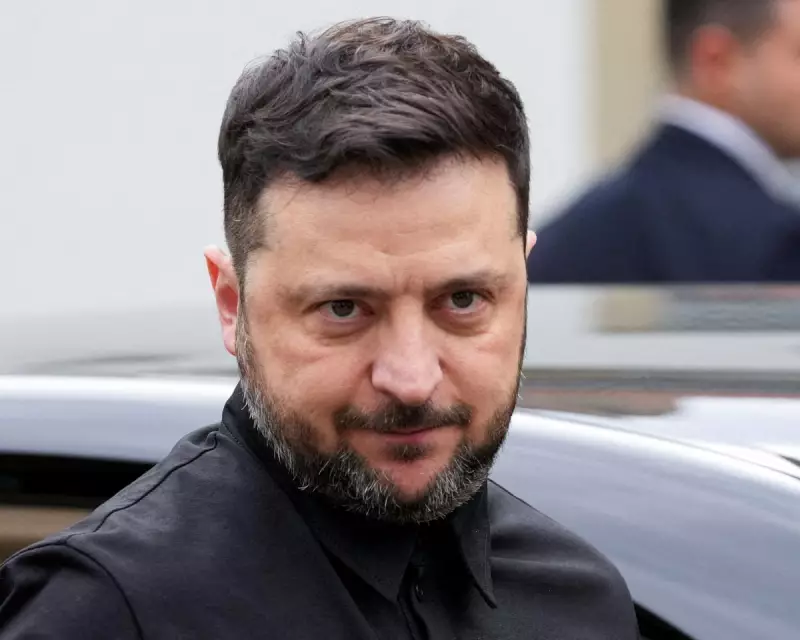
Zelenskyy's High-Stakes Davos Meeting with Trump
Ukrainian President Volodymyr Zelenskyy is expected to travel to Davos on Thursday for a critical meeting with former US President Donald Trump, following a sudden summons that has injected urgency into diplomatic efforts amid the ongoing conflict. This development comes after Zelenskyy initially indicated he would skip the World Economic Forum due to severe energy crises in Ukraine caused by relentless Russian attacks, stating he would prioritise his nation over the economic forum.
Uncertain Outcomes and Diplomatic Maneuvers
The meeting, announced by Trump with apparent short notice for Wednesday, was complicated by Zelenskyy's absence from the country at that time. The Ukrainian leader has consistently emphasised that engagements with American officials must yield tangible results, such as bolstering Ukraine's defences or advancing peace efforts. He noted that meetings should only proceed if documents are prepared for signing, underscoring the high stakes of this encounter.
Since Saturday, senior Ukrainian representatives have been in continuous talks with Trump's envoys, including Steve Witkoff and Jared Kushner, in Davos. Rustem Umerov, a top Ukrainian negotiator, confirmed these discussions focused on security guarantees and postwar recovery plans. However, as of late Wednesday, it remained unclear whether any agreements would be ready for signature, highlighting the fluid nature of the negotiations.

Parallel Moves by Putin and NATO's Urgent Calls
In a parallel diplomatic move, Russian President Vladimir Putin announced he would meet with Witkoff and Kushner on Thursday in Moscow, where they are expected to discuss the potential use of frozen Russian assets. This appears to be a strategic attempt to pre-empt European efforts to mobilise approximately €300 billion in Belgian-held Russian funds to support Ukraine's defence and reconstruction. Putin's vague reference to restoring "territories damaged during military actions" leaves open whether this pertains to Ukrainian, Russian, or occupied areas.
Meanwhile, NATO Secretary General Mark Rutte issued a pressing appeal to military chiefs, urging them to leverage their influence with national governments to expedite the delivery of air defence systems to Ukraine. In a video message from NATO's Brussels headquarters, Rutte stressed the immediate need for interceptors, calling on allies to scrutinise their stockpiles and provide critical support without delay.
Escalating Violence and Disinformation Challenges
The backdrop to these diplomatic efforts is marked by escalating violence, with a Ukrainian drone strike reportedly igniting oil terminal tanks in Russia's Krasnodar region, resulting in casualties. Conflicting accounts emerged regarding a fire near Krasnodar, with Russian authorities blaming a Ukrainian drone and Ukrainian officials attributing it to errant Russian air defence fire. Andriy Kovalenko, head of Ukraine's anti-disinformation centre, asserted that a Russian missile struck a residential building in Afipsky, illustrating the ongoing challenges of misinformation amid the conflict.
As Zelenskyy navigates these complex negotiations in Davos, the outcomes could significantly impact Ukraine's wartime strategy and postwar recovery, with global leaders closely watching for signs of progress or further stalemate.