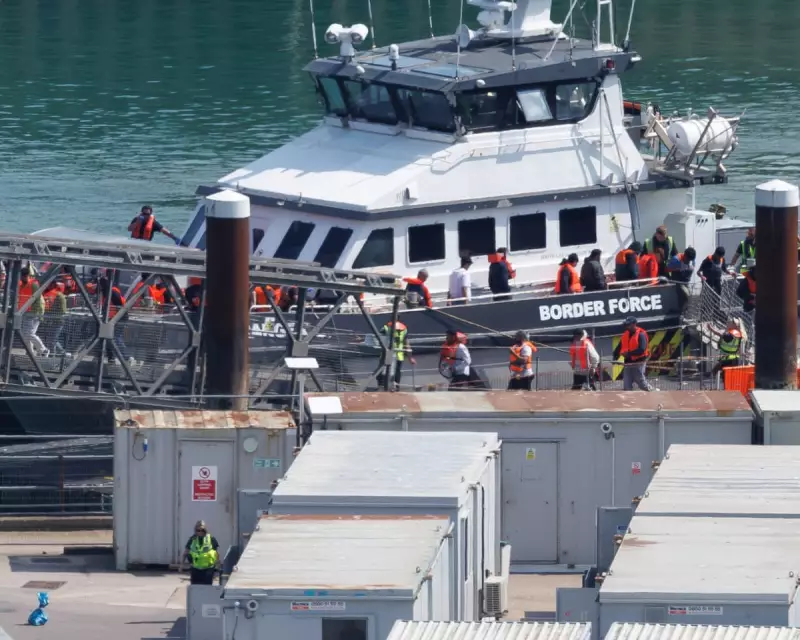
The Home Office has been accused of systematically failing to protect survivors of trafficking and torture who have been detained under the government's controversial 'one in, one out' immigration scheme. The allegations come from a new, groundbreaking report by the charity Medical Justice, which provides independent clinical assessments in immigration detention centres.
Alarming Evidence of Systemic Failure
Medical Justice surveyed 33 individuals who were detained while awaiting forced return to France under the scheme. The report, the first of its kind to examine the welfare of this specific group, found that 18 of the 33 people showed clear clinical evidence of having endured torture or trafficking. Despite this, the charity states that clinical safeguards within detention have completely broken down.
"Clinical safeguards in detention are failing to protect these people," the report concludes. It describes the protection system within Home Office detention centres as "a futile exercise" characterised by a "near total disregard for identified vulnerabilities." The report adds a stark clinical warning: "For many people detention in the UK – not past trauma – was described as the moment when they lost hope. From a clinical perspective this is dangerous."

Trauma Compounded by Detention and Threats
Those interviewed described harrowing experiences of severe violence, intimidation, and death threats from multiple sources, including traffickers, smugglers, and organised gangs. A recurring and terrifying theme was the fear of being targeted upon return to France. Several detainees reported that traffickers had videoed or photographed them, threatening to use the material to find and kill them if they were sent back.
The report details one particularly disturbing case of a man with clinical evidence of a history of torture. He described being subjected to a violent restraint during an attempted removal to France. "After a few minutes, I became dizzy, and my voice became weak and my strength was limited to just tears," he told a Medical Justice clinician. "They saw me struggling for air and honestly, my eyes were turning white and my breathing was difficult. I said in a low voice, 'I can't breathe'." The attempt was aborted, and a clinician later documented evidence of both his physical injuries and significant psychological harm.
Calls for Scrapping the Scheme and Policy Change
In light of its findings, Medical Justice is calling for the immediate scrapping of the 'one in, one out' policy. The scheme, operational since August 2025, has seen more than 200 people who crossed the Channel in small boats forcibly returned to France, with a similar number brought legally to the UK from France in a reciprocal arrangement.
The charity argues that the system is inherently harmful and insists that asylum claims from those arriving on small boats should be processed within the UK. A spokesperson for Medical Justice stated: "What sets apart the mistreatment of clients detained under this scheme is the combination of an especially high proportion of trafficking and torture survivors who are at higher risk of harm in detention, alarmingly high levels of suicidality and the fact that almost all of them experienced dysfunction of the clinical safeguarding system. We fear the government wants to remove these people come what may."
In response, a Home Office spokesperson defended the policy: "Protecting the UK border is our top priority. Our landmark one in, one out scheme means we can send those who arrive on small boats straight back to France – a safe country in which any protection claims can be, and are being, considered. The welfare of people detained is of the utmost importance and we are committed to ensuring that detention and removal are carried out with dignity."