

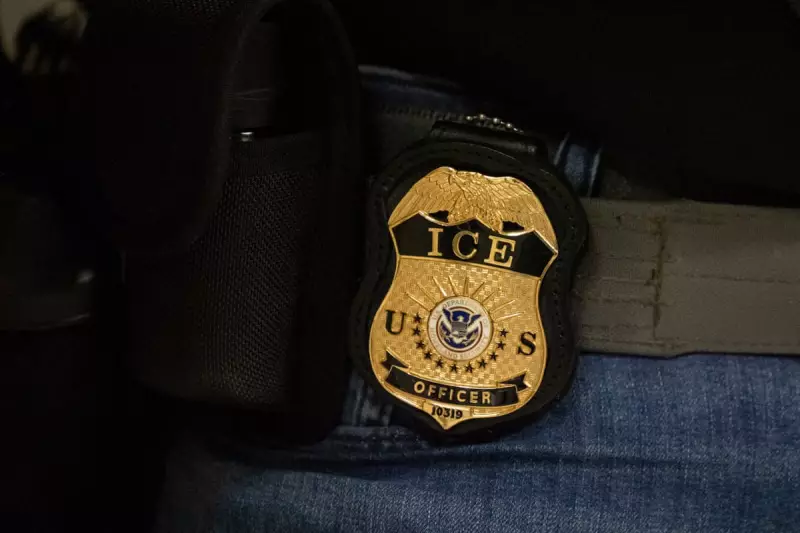
A woman from Maryland, who is a United States citizen, has finally been released from immigration custody after being held for more than a month in a case that has raised serious questions about enforcement practices.
A Shocking Detention and Legal Battle
Maria del Carmen Pena Mejia, a 43-year-old resident of Baltimore, was taken into custody by Immigration and Customs Enforcement (ICE) agents on December 2, 2025. She spent a total of five weeks detained at the Worcester County Jail in Snow Hill, Maryland, despite her legal status.
Her legal team, from the Capital Area Immigrants’ Rights Coalition, fought vigorously for her release. They presented clear evidence of her citizenship, including her US passport and Maryland driver’s licence. ICE initially contested her claim, arguing her documents were fraudulent, which prolonged her ordeal.

Evidence of Citizenship Ignored
Pena Mejia was born in El Salvador but became a naturalised US citizen in 2010. Her lawyers stated that ICE’s own records should have shown her citizenship status. The failure to recognise this led to what her attorney, Monika Langarica, called a “grave injustice.”
Her release was secured on January 8, 2026, after a federal judge intervened. The judge criticised ICE’s handling of the case, noting the compelling evidence that had been available from the start.
Systemic Failures and Broader Implications
This incident is not isolated. Advocacy groups point to a pattern of US citizens being wrongfully detained by immigration authorities. Such cases often involve individuals with complex immigration histories or common names, where database errors can have severe consequences.
The case underscores critical flaws in the verification processes used by ICE. Reliance on error-prone databases and a presumption of guilt can lead to the unlawful detention of American citizens, causing profound personal trauma and undermining trust in the system.
Pena Mejia’s experience highlights the urgent need for reform in immigration enforcement protocols. Stronger safeguards are required to prevent citizens from being deprived of their liberty. As she rebuilds her life after this traumatic event, her story serves as a stark warning about the human cost of systemic failure.






