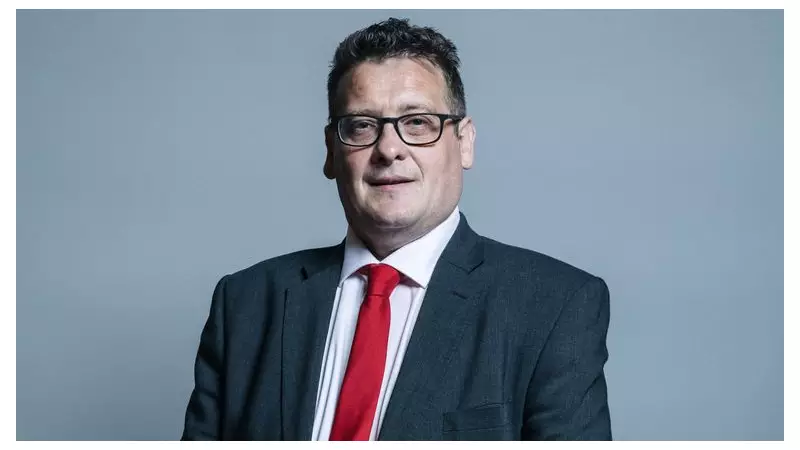
A Labour MP who rebelled against his own government's contentious plans to restrict jury trials has declared he is "not expecting" to be punished by party chiefs – and insists he "does not care" if they do.
Defiance in the Face of Party Discipline
Karl Turner, the Labour MP for Hull East and a former criminal barrister, was the sole Labour representative to vote with the Conservatives on Wednesday 7 January 2026. The opposition day motion sought to reject Justice Secretary David Lammy's proposed reforms.
Despite breaking the party whip, Turner told Sky News he did not anticipate suspension from the parliamentary Labour Party. He issued a bold challenge to leadership, stating: "I invite them to take the whip from me if they want - at least I believe in something. If they want to take the whip off someone who believes in something, then good luck to them."

The Controversial Reforms Spark Legal Backlash
The reforms, unveiled by Deputy Prime Minister David Lammy in December 2025, represent the most significant change to jury trials in decades. The key proposals include:
- Removing the right to a jury trial for defendants likely to receive a sentence of three years or less.
- Ending a defendant's ability to choose a jury trial.
- Limiting appeals against magistrates' court verdicts to the crown court.
The government argues the move is essential to tackle a crippling court backlog of approximately 80,000 cases, a figure exacerbated by the COVID-19 pandemic which could hit 100,000 by 2028 without intervention.
However, the plans have faced fierce criticism. Turner accused the government of a money-saving exercise, claiming: "David Lammy has no backbone and Keir Starmer should be utterly ashamed." He urged an immediate U-turn.
Legal Experts Warn of Constitutional Damage
The criticism extends beyond parliament. Kirsty Brimelow KC, chair of the Bar Council, stated her organisation opposed the plans for both "pragmatic and principled reasons". She warned against scrapping a "deep-rooted constitutional principle" and suggested the changes were ideologically driven rather than evidence-based solutions to court delays.
Under the new system, a "bench division" of crown courts, termed "swift courts", would hear certain either-way offences like theft and fraud without a jury. The most serious cases, including rape and murder, would retain jury trials.
The government's motion ultimately passed by 290 votes to 182. A Ministry of Justice spokesperson defended the reforms, stating they were necessary to deliver "swifter justice for victims" and would prioritise jury trials for the most serious offences.