

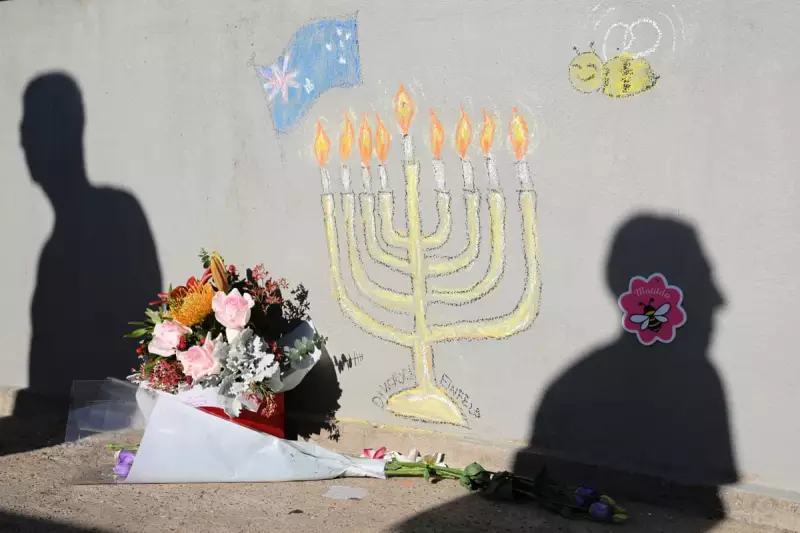
The initial, paralysing shock that gripped Australia following the horrific terror attack at Bondi Junction has begun to dissipate. In its place, a more volatile and familiar national mood is taking hold: one of deep-seated anger and accelerating social division.
From Horror to Fury: A Community's Raw Response
On that terrible Saturday, 19 October 2024, a lone attacker, Mert Ney, unleashed violence in the Westfield shopping centre, killing six people and injuring many more before being subdued by Inspector Amy Scott. The immediate aftermath was characterised by a unified sense of grief and public admiration for the bravery of first responders and ordinary citizens. However, this period of collective mourning has proven tragically brief.
As the days have passed, the raw nerve of the atrocity has been exposed to the harsh light of Australia's fractured political and media landscape. The complex reality of the attacker – a man with a history of mental health issues and violent misogyny, who also invoked religious extremism – has been stripped down and weaponised. Different factions have seized upon isolated aspects of the story to fuel pre-existing narratives about immigration, security, and social cohesion.

The Dangerous Slide into Blame and Division
This process mirrors a pattern observed after other national tragedies, where the space for nuanced understanding rapidly collapses. Public discourse, particularly online, has become a battleground. Heated debates rage not just about the specifics of the Bondi attack, but about broader issues of counter-terrorism policy, community integration, and freedom of speech. The victims and their families risk becoming secondary figures in a larger, more abstract political conflict.
Commentators and politicians are now facing criticism for how they have framed the event. Some have been accused of minimising certain motivations to avoid stigmatising communities, while others stand accused of amplifying divisions for political gain. This toxic environment makes the essential work of healing and building resilience infinitely more difficult. The anger, while a natural human response to profound injustice, is being channelled in ways that threaten to splinter the very society the attack sought to destabilise.
A Crossroads for National Unity
The transition from shock to anger presents Australia with a critical choice. The path of division is well-trodden and leads only to deeper suspicion and fear. The alternative requires a conscious, collective effort to resist the pull of simplistic blame and recrimination. It demands that political leaders and media voices exercise responsibility, focusing on the facts of the Bondi Junction investigation and supporting the affected communities, rather than exploiting the tragedy.
The legacy of the Bondi shooting will be shaped not only by the evil act of one individual but by how the nation responds in the weeks and months that follow. Will the anger forge a stronger, more united community determined to uphold its values? Or will it be allowed to corrode the social fabric, creating the very divisions that extremists seek? The answer to that question remains unresolved, hanging in the balance as the first waves of grief recede.






