

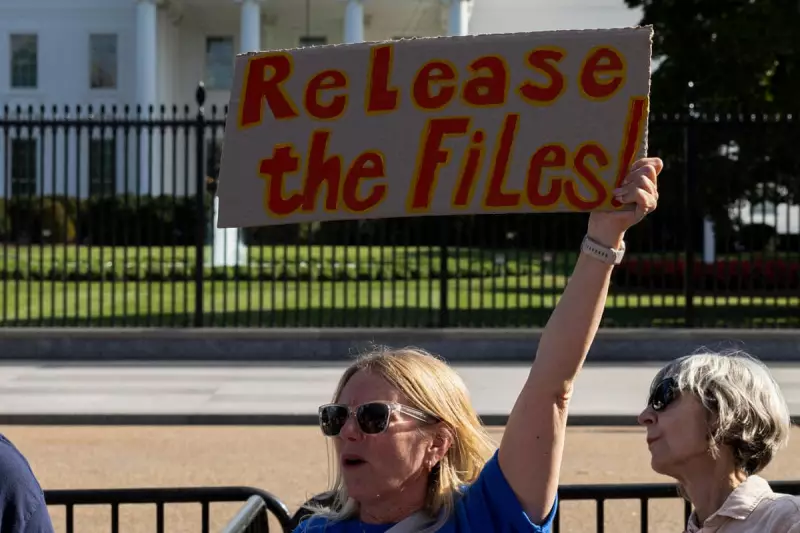
A defining moment in the long-running Jeffrey Epstein saga is expected on Friday with the court-ordered publication of a vast cache of documents related to the deceased financier and convicted sex trafficker.
Legal Mandate Forces Transparency
After months of obstruction and delay, the Trump administration faces a legal deadline to publish a huge archive of records. This release is compelled by the Epstein Files Transparency Act, which Congress passed in November following significant resistance from the White House.
The legislation mandates that Attorney General Pam Bondi must release, by midnight on Friday, "all unclassified records, documents, communications, and investigative materials" connected to Epstein, his imprisoned associate Ghislaine Maxwell, and individuals named in relation to his criminal enterprise. The files must be provided in searchable and downloadable formats.

Political Pressure and Reversals
The push for disclosure has created notable fractures within the political landscape. Pressure originated largely from Trump's own 'Make America Great Again' (MAGA) base, which has clamoured for the files' release. Former President Donald Trump, once a close friend of Epstein, had pledged during last year's presidential race to order their publication but reversed course after returning to office.
His supporters reacted with fury when Bondi declined to release the files last summer and dismissed speculation about an Epstein client list—despite having earlier suggested such a list was on her desk. As scrutiny intensified, Trump labelled the Epstein affair a "Democrat hoax" and criticised his supporters for focusing on it.
Ultimately, legislative action forced the issue. A discharge petition pushed by rebel Republicans succeeded, leading to an overwhelming 427 to one vote in the House of Representatives in favour of release. The Senate backed it by unanimous consent, prompting Trump to sign the bill into law.
Questions Over Completeness and Ongoing Investigations
Despite the impending publication, suspicions linger that the released material may be incomplete. The Justice Department retains the right to withhold records that identify victims, contain images of child sexual abuse, or are deemed classified. It can also withhold documents that might prejudice an ongoing federal investigation.
Significantly, Trump last month ordered a criminal investigation into Epstein's links with prominent Democrats, including former President Bill Clinton. Democratic sponsors of the Act have highlighted that the law requires Bondi to provide an unclassified summary explaining every redaction or piece of withheld classified information.
In a move that increased pressure ahead of the main document dump, Democrats on the House oversight committee released 68 new pictures from Epstein's estate on Thursday. These included images of Epstein with philosopher Noam Chomsky on a plane and philanthropist Bill Gates posing beside a woman with a redacted face.
The publication of the Epstein files promises to reignite intense scrutiny over one of the most notorious criminal cases of recent times, with potential ramifications for figures across the political and social spectrum.






