

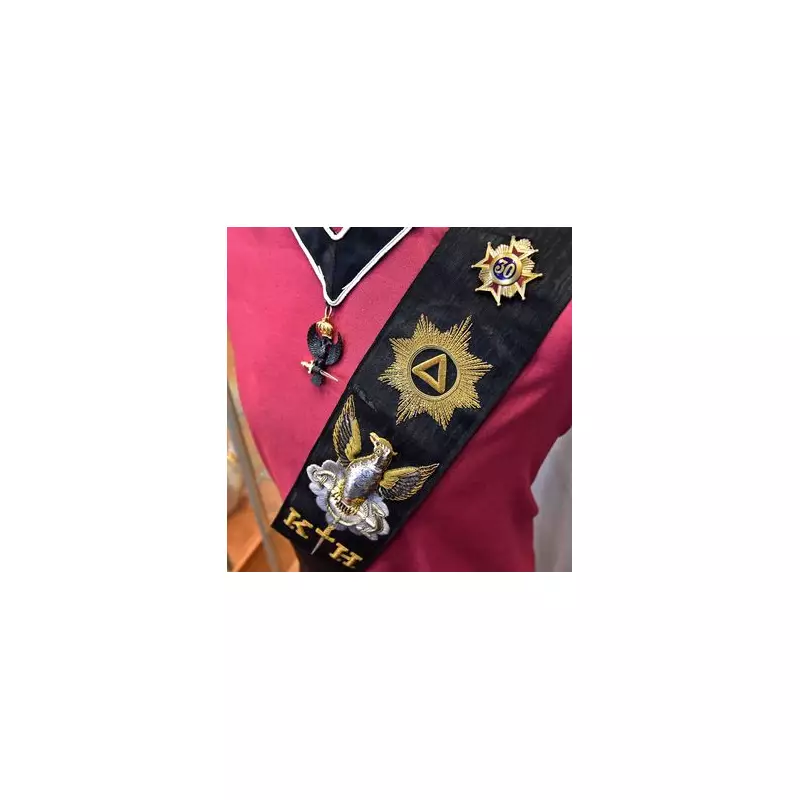
The Metropolitan Police is facing the prospect of a High Court battle after England's leading Freemasonry organisations threatened legal action over a new policy requiring officers to declare their membership.
Legal Proceedings Loom Over 'Discriminatory' Policy
The United Grand Lodge of England (UGLE), alongside The Order of Women Freemasons and the Honourable Fraternity of Ancient Freemasons, has issued a formal pre-action protocol letter to the force. This marks the first step towards seeking a judicial review of the decision, announced earlier in December 2025.
The masonic bodies have condemned the policy as discriminatory and argue that the Met's consultation process was "wholly inadequate, prejudicial and unjust". The letter demands the force withdraws its decision or faces full legal proceedings.

The new rule, which came into force this month, requires all Met personnel to declare past or present membership of any organisation that is "hierarchical, has confidential membership and requires members to support and protect each other". Freemasonry now falls under this "declarable associations" policy.
Freemasons Claim Reputation and Rights at Risk
Adrian Marsh, Grand Secretary of UGLE, stated that the policy casts an "aura of mistrust" over the entire community and could damage their public standing. He argued it may also violate human rights and GDPR regulations.
"Freemasonry has the highest moral and ethical standards," said Mr Marsh. "Given the obvious, detrimental impact on our members... we now have no choice but to take legal action to challenge this unlawful decision."
He revealed that only 440 officers out of the Met's 32,135 are Freemasons, calling it "inconceivable" that such a small number could exert improper influence. Mr Marsh urged police leaders to reverse the move and "work it through sensibly" to avoid a costly legal fight funded by the public purse.
Roots in the Daniel Morgan Murder Investigation
The controversial policy stems directly from recommendations in the 2021 report by the Daniel Morgan Independent Panel. Mr Morgan, a 37-year-old private investigator and father-of-two, was murdered with an axe in a Sydenham pub car park in March 1987. The case remains unsolved despite multiple inquiries plagued by allegations of police corruption.
The panel's report concluded that police officers' Freemason membership had been "a source of recurring suspicion and mistrust in the investigations". The Met's own survey of staff found two-thirds of respondents believed membership of such organisations impacted perceptions of police neutrality and public confidence.
Commissioner Sir Mark Rowley has championed the declaration plan as part of wider efforts to improve transparency and rebuild public trust in the scandal-hit force. However, the masonic groups maintain they were not properly consulted, with fewer than 5% of officers completing the relevant survey, and that alternative solutions were dismissed.
The stage is now set for a significant legal clash between one of the world's oldest fraternal organisations and the UK's largest police force, with the shadow of one of Britain's most notorious unsolved murders hanging over the dispute.






