

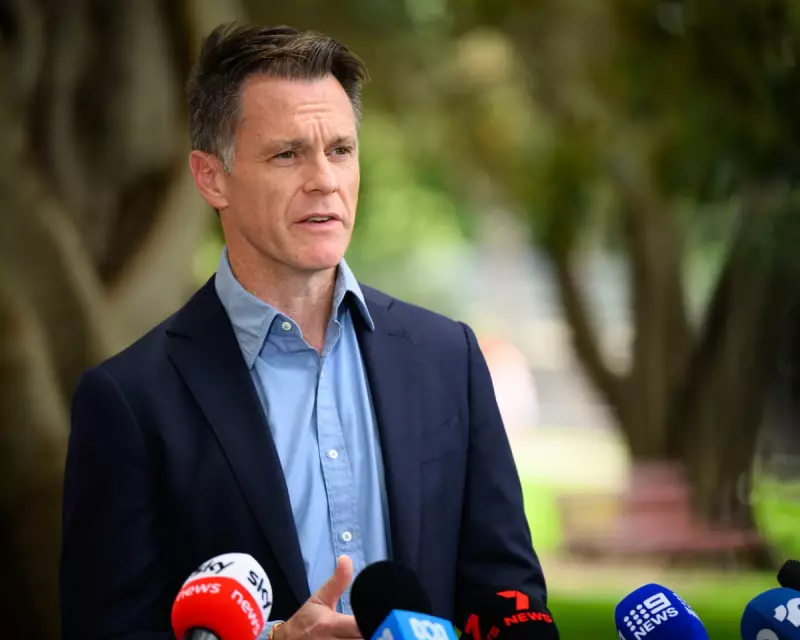
The New South Wales government has unveiled a significant legislative response to the Bondi Junction terror attack, proposing new laws that would criminalise public hate speech and ban the display of hate symbols. Premier Chris Minns announced the plans on Friday, 20 December 2024, framing them as a direct consequence of the violent incident that shocked Sydney and the nation.
The Proposed Legislative Changes
The core of the proposal involves creating a new criminal offence for publicly threatening or inciting violence against individuals or groups based on their race, religious affiliation, or other protected attributes. This would significantly lower the legal threshold compared to existing laws, which typically require proof that violence was likely to occur as a result of the speech.
Furthermore, the legislation seeks to explicitly ban the display of Nazi and Islamic State hate symbols in public. This builds upon and expands current laws that already prohibit the sale and display of items featuring the Nazi hakenkreuz (swastika). The new ban would extend to symbols associated with the Islamic State group and potentially other prescribed terrorist organisations.

Premier Chris Minns stated that the existing legal framework was "no longer fit for purpose" in the wake of the Bondi attack. He emphasised that the goal is to prevent the escalation of hateful rhetoric that can lead to real-world violence, targeting conduct that falls below the current high bar for prosecution under incitement laws.
Context and Catalysts: The Bondi Junction Attack
The proposed laws are a direct reaction to the terror attack at Westfield Bondi Junction on Saturday, 14 December 2024. The attacker, who was shot dead by police, had a documented history of posting extremist content and hate speech online prior to the assault.
Authorities revealed that the individual had been under investigation by the NSW Joint Counter-Terrorism Team. Despite this scrutiny, his online activity, which included the glorification of violent extremism, did not meet the existing legal threshold for arrest or charge before he carried out the deadly attack. This gap in the law has become a focal point for the government's reform agenda.
Reactions and Legal Scrutiny
The announcement has sparked a complex debate balancing security, free speech, and legal practicality. Civil libertarian groups and some legal experts have expressed immediate concern. They warn that laws targeting "hate speech" can be dangerously vague and risk infringing upon fundamental freedoms of expression unless very carefully and precisely drafted.
There is apprehension that poorly defined legislation could capture legitimate political discourse or protest speech. Advocates for the reforms argue that the right to live free from violence-inciting hatred must take precedence, especially following such a traumatic event. The government has indicated it will engage in a consultation process to refine the bill, acknowledging the need to get the legal definitions correct to withstand both public scrutiny and potential High Court challenges.
Next Steps and National Implications
The NSW government plans to introduce the legislation to parliament in the first half of 2025. Before that, it will undergo a period of public consultation, allowing legal experts, community groups, and human rights organisations to provide feedback on the draft provisions.
This move by Australia's most populous state is being watched closely by other jurisdictions. It signals a potential nationwide shift towards more proactive legal measures aimed at disrupting the radicalisation process and the public propagation of hate, moving beyond laws that only intervene when a terrorist act is imminent. The outcome in NSW could set a precedent for similar legislative efforts across the country.






