

The UK government has commissioned an urgent independent review into the threat of foreign financial interference in British politics. This decisive move comes in the wake of the high-profile conviction and jailing of a former senior politician for accepting bribes from a pro-Kremlin agent.
The Case That Sparked the Review
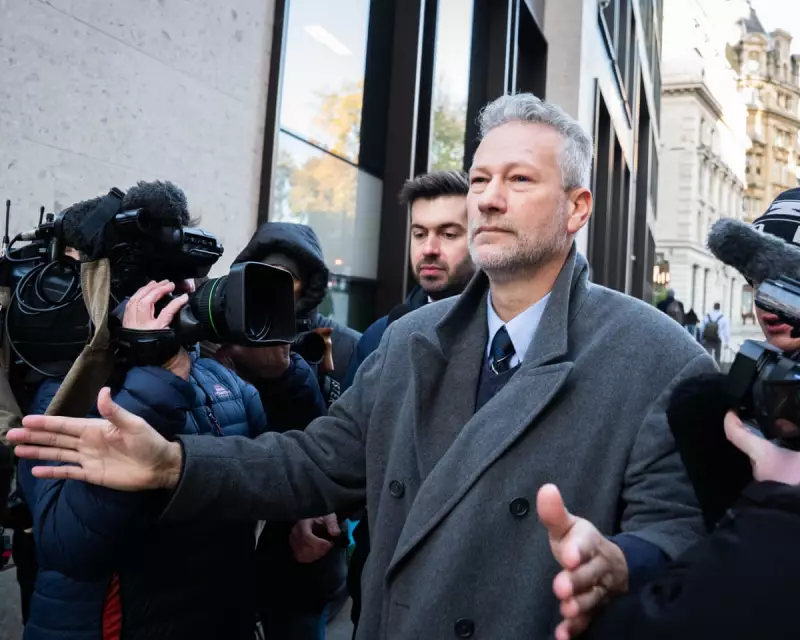
Nathan Gill, a former Reform UK MEP who once led the party in Wales, was sentenced to 10 years in prison last month. He was found guilty of accepting bribes to further the interests of the Russian state. His prosecution laid bare vulnerabilities in the UK's political finance defences.
Communities Secretary Steve Reed, announcing the review to MPs, stated the case was a "stain on our democracy." He referenced Russia's aggressive actions, including a nerve agent attack on UK soil, to underscore the seriousness of the threat posed by those willing to trade national interest for personal gain.

Scope and Leadership of the Inquiry
The review will be led by Philip Rycroft, the former permanent secretary at the Department for Exiting the European Union. It is tasked with examining the effectiveness of the UK's political finance laws and will conclude by the end of March 2026.
Its key areas of focus will include:
- Assessing whether current regulations can adequately identify foreign influence.
- Testing existing safeguards against illicit funding, including donations via cryptocurrencies.
- Reviewing the rules governing all political parties and the enforcement powers of the Electoral Commission.
The inquiry will look at the post-Brexit landscape, explicitly not revisiting the impact of Russian disinformation on the 2016 referendum. Its findings are intended to inform the government's planned Elections and Democracy Bill next year.
Broader Context and Political Reactions
The Gill case is not isolated. It follows the identification of UK-based lawyer Christine Lee as covertly working for the Chinese Communist Party. These incidents have amplified concerns within security services and parliament about the scale of the foreign threat.
Security Minister Dan Jarvis, who chairs the Defending Democracy Taskforce, said the review would "rigorously test" financial safeguards. He linked it to a recently announced Counter-Political Interference and Espionage Action Plan, which includes security briefings for political parties and guidance for candidates on spotting suspicious activity.
Reform UK leader Nigel Farage, who described Gill as a "bad apple," had previously welcomed an investigation into foreign influence. However, he has faced calls, which he has declined, to internally investigate any links between his party and Russia. Labour leader Keir Starmer has said Farage has questions to answer about how the bribery happened.
Strengthening the Democratic Firewall
Steve Reed pointed to the government's existing election strategy, published in July 2025, which aims to close funding loopholes and clamp down on shell companies. However, he conceded that Gill's prosecution showed "that we need to consider whether our firewall is enough."
The overarching goal of the review is clear: to learn lessons and bolster the UK's democratic institutions against covert financial attacks from hostile states like Russia and China, ensuring such crimes cannot happen again.






