

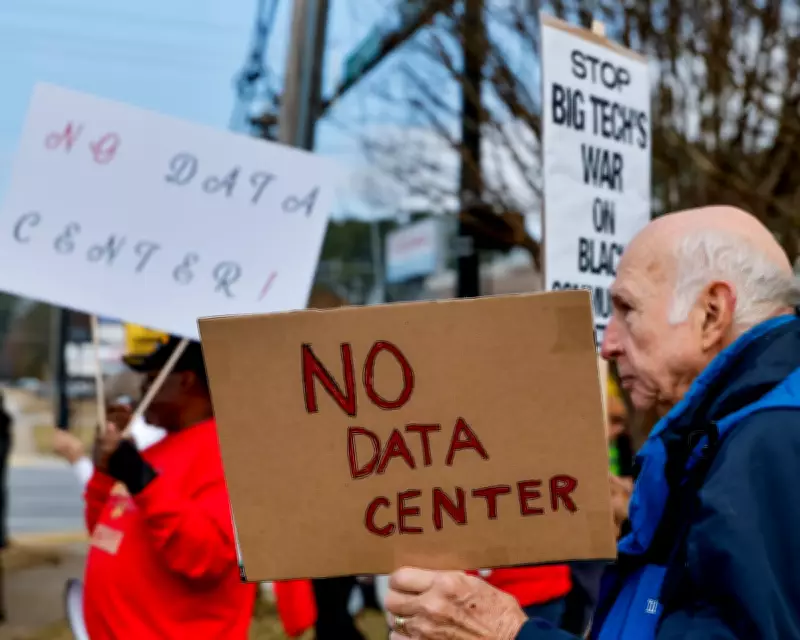
Datacentre Protests in Deceton Highlight Bipartisan Backlash Against Big Tech
In Deceton, Georgia, a wave of demonstrations has erupted against a proposed datacentre, with protesters voicing deep-seated anxieties over artificial intelligence, escalating energy expenses, and environmental degradation. This local unrest mirrors a broader national trend, where skepticism and hostility toward the unregulated construction boom for AI infrastructure are intensifying across both Republican and Democratic states.
Unlikely Alliances Form in Opposition
Remarkably, blue-collar Trump supporters and MAGA-aligned midwestern states are finding common cause with progressive figures like Bernie Sanders and liberal educators from California. Last month, the Republican party in Texas took a firm stand, opposing new datacentre projects until adequate environmental protections for local communities are implemented. This bipartisan coalition underscores a growing consensus that big tech's outsized influence must be reined in.
The White House, which has prioritized rapid datacentre deployment in its AI action plan, faces an unexpected challenge from these widespread protests. Upon returning to office, Donald Trump authorized a deregulated "build, baby, build" approach, favored by Silicon Valley backers who funded his campaign. Industry leaders such as Amazon and Microsoft are driving an estimated $710 billion in datacentre investments this year, aiming to maintain their edge in the AI race.

Political and Economic Costs Mount
States that have lured this capital with tax breaks and subsidies are now grappling with significant downsides. Consumers are burdened with higher electricity bills, while local water systems and power grids face intense strain due to the voracious energy demands of datacentres. Alarmingly for Trump, this perception that big tech's needs are prioritized over those of struggling voters is resonating with the MAGA base ahead of the November midterm elections.
Democrats have been slow to recognize the political potential of this issue, which pits powerful corporations against concerned communities. However, after aggressively competing for big-tech investment, leaders like Pennsylvania Governor Josh Shapiro are now emphasizing the need to avoid an unregulated free-for-all. This shift reflects a wiser stance as concerns over AI, rising energy costs, and environmental impact become increasingly intertwined.
Projects Blocked and Federal Tensions Rise
In 2025, opposition to datacentre construction led to an estimated $156 billion worth of projects being blocked or suspended. The rebellion's scale and intensity have prompted Washington to threaten withholding federal funding from states deemed to be obstructing progress. Florida Governor Ron DeSantis, a potential Republican presidential candidate in 2028, criticized this approach as an attempt to "kneecap the states and let big tech write the rules."
These conflicts represent early skirmishes in a larger battle over the politics of AI. A recent Pew Research Center study found that 56% of AI experts believe the technology will positively impact the US over the next two decades, yet only 17% of all Americans share this optimism. This ambivalence stems from understandable job loss fears and a growing awareness of the social costs of a digital revolution that has enriched a wealthy elite while outpacing regulatory efforts.
Silicon Valley should heed the datacentre protests as a stark warning: citizens in the nation at the forefront of the AI revolution are determined to reclaim control. As these issues continue to intermesh, the call for balanced regulation and community-focused policies grows louder, signaling a pivotal moment in the relationship between technology and society.






