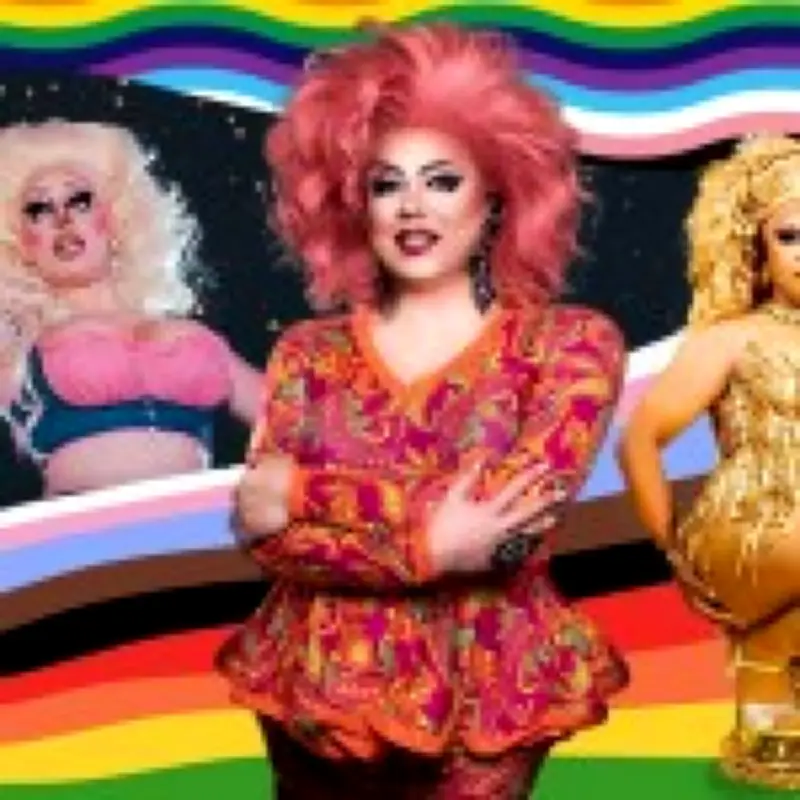
As the sun sets in Memphis, Tennessee, Keleigh Klarke pins up her curls, applies lip gloss, and prepares to perform. Growing up in rural Texas, Keleigh—whose real name is Kelly McDaniel, 46—was always drawn to makeup, fashion, and beauty pageants but lacked outlets to express those interests. 'The night I went to my first drag show, everything changed,' he told Metro. 'After beginning to perform in 2001, I've worked at seven different clubs in Memphis.'
Drag in the South: A Staple Under Threat
Drag is a staple of nightlife across America, with crowds gathering in New York, Atlanta, Los Angeles, Chicago, and Boston nightly to see top performers. Yet in the national conversation about LGBTQ rights, voices from the South are often excluded. Headlines about crackdowns on Pride events and rising conservatism drown out the daily work of the queer community in the region.
Earlier this year, several southern states rebranded Pride Month to reflect conservative leanings. Tennessee declared June 'Nuclear Family Month,' Arkansas called it 'Fidelity Month,' and Alabama designated 'Strong Families Month.' On his first day back in office, President Trump declared there are only two genders, undid multiple orders advancing LGBTQ equality, banned transgender people from the military and women's sports, and imposed healthcare restrictions that hinder access to gender-affirming care. In the South, LGBTQ people face higher discrimination and bear the brunt of these policies.

Southern Fried Queer Pride: Building Community
Taylor Alxndr co-founded Southern Fried Queer Pride (SFQP) in 2014 in Atlanta, Georgia. Initially a three-day festival in June to platform southern LGBTQ artists and grassroots movements, it quickly grew into a year-round organization. 'Our festival is still the only Pride festival that happens in June here in Atlanta. During our second or third festival, we had a large number of people coming all the way from North Carolina, Louisiana and Texas, saying, 'we don't have this in our state',' Taylor told Metro. 'We quickly realized that this meant a lot to people, to have a more intentional southern queer and trans community event.'
SFQP is based in Atlanta, a historically Black city central to the Civil Rights movement. However, Taylor notes there is still segregation and a lack of inclusion of Black and Brown people in the narrative. During Trump's first term, Taylor said there was a large energy of resistance even through struggles; people felt 'invigorated' to fight back. Now, during his second administration, members of the community are 'exhausted.' 'Every five seconds, it's just a reminder that the world is wild and exhausting and so difficult to imagine getting better. People are taking the second term way harder than the first,' she said.
Fighting Misconceptions Amid Uncertainty
Since retaking office in January 2025, Trump vowed to ban flying Pride flags at US embassies and removed mentions of trans communities from government websites. These actions have muted queer voices and taken away the joy of Pride. 'Outside of corporations not wanting to sponsor things, a lot of LGBTQ organizations are laying low, being quiet, not wanting to be too loud and proud because they're afraid of the visibility that entails, and the backlash or harm that might come their way,' Taylor told Metro.
In the South, this fear is more pronounced. Operating a queer organization in the region comes with many misconceptions, Taylor said. LGBTQ folks in the South constantly fight the narrative that the region is 100% conservative, lacking education, and stuck in the past. 'But Black and Brown folks, the LGBTQ folks, the progressive folks are consistently pushing us into the future — and so many other people and movements across the country borrow their grassroots organizing methods and ideas from people in the South,' Taylor explains. 'We're constantly fighting against this narrative that silences all the beautiful, vibrant work that we have here in the South, just because people view us in a certain way.'

Brigitte Bandit: From Drag to Activism
Brigitte Bandit, a 34-year-old drag queen and activist from Austin, Texas, became involved in Texas politics in 2023 when she appeared in full drag during a legislative session as anti-LGBTQ bills were being passed. In May 2023, she wore a white gown bearing the names of children killed at Robb Elementary School and Allen Mall, with the back reading: 'Defend our kids against gun violence. Restrict guns, not drag.' The bill that would have banned drag was not passed—a major win. Brigitte told Metro: 'Thinking back on that win… it was much easier times than we're in now. Things have escalated exponentially since we won that lawsuit. It's kind of sad to look back on, because it was a happy moment that now just feels bittersweet.'
After her success, she founded LegiSLAYtion and Liberation in 2025, a weekly community event breaking down political news for the LGBTQ community in Texas. 'It's a way for the community to gather, educate, and empower each other. Now, LegiSLAYtion and Liberation has taken on its own journey,' she added. A big part of that journey, Brigitte says, is posing a threat to systems of power. 'Queer people, queer visibility, queer representation — it all goes against the Christian nationalist, white supremacist values and agenda that the right has. Whenever you see queer people existing outside of those structures, it threatens their power,' she told Metro. 'Right now, we're seeing all these funding cuts to LGBTQ research, grants, and any kind of entities that support LGBTQ people. We also see people shying away from sharing their support for LGBTQ people. At the same time, we're seeing a lot more grassroots organizing and resistance.'
Even in deep red parts of the South, small acts of resistance occur daily, Brigitte said. 'I've gone to speak at universities where they've banned drag, and they said, 'No photos' — they even paid me with a gift card, so there's no financial record. There are little ways people are resisting here that you probably won't hear about or be able to share publicly.'
Tennessee's Anti-Drag Legislation and Resistance
In 2023, Tennessee passed anti-drag legislation, thrusting drag into the national spotlight. After the bill passed, Kelly McDaniel, based in Memphis, noticed fear among fellow queens but vowed to 'never go quietly.' 'My mother would always say, 'If you want to pick a fight, that's fine, but you better pack a punch.' That's the same way I felt about the drag ban legislation,' he told Metro, laughing. 'You are not going to stop me from doing what I am doing, which is completely in line with all acceptable laws. It's not crude, it's not vulgar, it's not x-rated, or immoral.'
He added: 'These bans are a way to use the glitter, sequins, and feathers to distract your constituents from the actual problems in Tennessee. Queer resistance is alive and well and thriving in the South!' On Friday evenings, as the sun sets, Kelly, Taylor, and Brigitte put on their makeup and prepare to perform, to sit with their communities, and to continue living as themselves, even while working against a system that wants to stop them. 'For those who live in the Southern states, it's twice as hard,' Kelly adds. 'But all you have to do is pin your wig on, strap on your pumps, add some glitter and gloss, and stay hydrated.'