

NSW's Highest Court Strikes Down Anti-Protest Legislation
In a landmark decision, the highest court in New South Wales has overturned an anti-protest law that was introduced in the aftermath of the Bondi beach terror attack. The court ruled that the legislation, known as the public assembly restriction declaration or Pard, unconstitutionally burdens the implied right to freedom of communication on government and political matters.
Background and Legal Challenge
The law was passed following the tragic Bondi beach terror incident, which resulted in the deaths of fifteen individuals. It granted police the authority to restrict marches in designated areas for up to three months after a terrorist attack, effectively placing protesters at risk of arrest if they proceeded without authorization.
Three activist groups—the Blak Caucus, the Palestine Action Group, and Jews Against the Occupation '48—filed a constitutional challenge against this legislation in early January. The court of appeal delivered its findings on Thursday, marking a significant setback for the Minns government.

Impact on Protests and Government Response
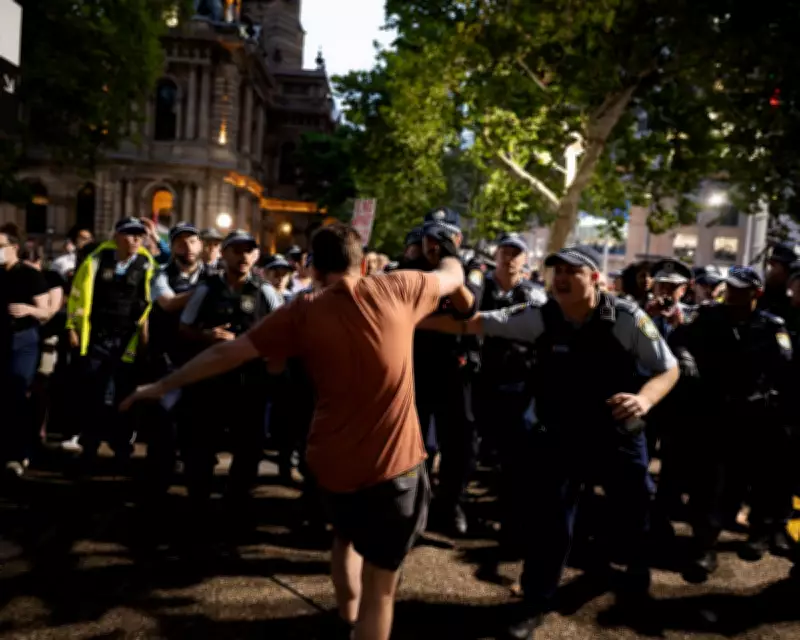
This ruling represents the second time in six months that an anti-protest law enacted by the Minns government has been deemed unconstitutional by the judiciary. The restriction was notably enforced in parts of Sydney's central business district during a rally against Israeli President Isaac Herzog's visit in early February. That demonstration escalated into violence and prompted a police watchdog investigation into allegations of widespread misconduct.
Police Commissioner Mal Lanyon extended the restriction multiple times over the summer, only lifting it after Herzog had departed the country. Additionally, authorities utilized the law to prevent Paul Silva, a member of Blak Caucus and one of the plaintiffs, from organizing a march against Indigenous deaths in custody from Hyde Park, a frequent protest location.
Legal Arguments and Broader Implications
During the hearing in February, David Hume SC, representing the activist groups, contended that the laws were counterproductive and undermined the government's goal of fostering social cohesion. In contrast, Brendan Lim SC, acting for the state government, defended the legislation as a "confined rolling back" of legal protections, justified by the community's recovery from a terrorist attack.
This decision follows a previous successful challenge in October, where Josh Lees, on behalf of the Palestine Action Group, contested a law allowing police to disperse protesters near places of worship. The court's latest ruling reinforces the protection of political communication rights in Australia, setting a precedent for future legislative measures.
Key Takeaways:

- The anti-protest law was struck down due to its infringement on constitutional rights.
- Activist groups played a crucial role in challenging the legislation.
- The Minns government faces repeated judicial setbacks on protest-related laws.
- The ruling highlights ongoing tensions between security measures and civil liberties.





