Growing Pressure on Australian Government Over Israeli President's Visit
Prime Minister Anthony Albanese is facing mounting pressure to rescind the invitation extended to Israeli President Isaac Herzog for his upcoming visit to Australia. The controversy has intensified following the tragic Bondi terror attack, with multiple political figures and activist groups calling for the cancellation of the diplomatic engagement.
Political Opposition to Herzog's February Visit
Independent MP Sophie Scamps has joined Labor's Friends of Palestine group and Greens Senator Mehreen Faruqi in objecting to President Herzog's scheduled visit between 8th and 12th February. Scamps, representing the northern Sydney electorate of Mackellar, expressed concern that the visit "risks igniting further division" within Australian communities still recovering from the Bondi attack that claimed 15 lives.
"For all of us after Bondi, the priority ought to be the safety and security of the Jewish community," Scamps stated. "Inviting a divisive figure, even a head of state, can only invite division and further risk."

Genocide Allegations and International Context
The controversy surrounding Herzog's visit has been amplified by allegations from a United Nations commission of inquiry, which concluded in September 2025 that Israel had committed genocide in Gaza. While the commission does not speak on behalf of the UN, it specifically named Herzog, Prime Minister Benjamin Netanyahu, and former defence minister Yoav Gallant as having "incited the commission of genocide."
Israel's foreign ministry has strongly rejected these findings, describing the report as "distorted and false" and claiming it relies on "Hamas falsehoods." Meanwhile, the International Court of Justice continues its separate genocide case against Israel, with Herzog previously calling the proceedings "a form of blood libel."
Security Concerns and Planned Protests
Herzog's arrival in Sydney next month is expected to trigger a "major security response" according to NSW Premier Chris Minns, who emphasised that the visit must be "a safe one" for all involved. The Palestine Action Group has announced plans for a "national day of protest" coinciding with the visit, with their Sydney march planned for Town Hall despite current restrictions on demonstrations in parts of the CBD following the Bondi attack.
Josh Lees of the Palestine Action Group declared: "If he steps foot in this country, he should be arrested and investigated for the war crimes that he is alleged to have carried out, including inciting genocide in Gaza."
Government Response and Divided Opinions
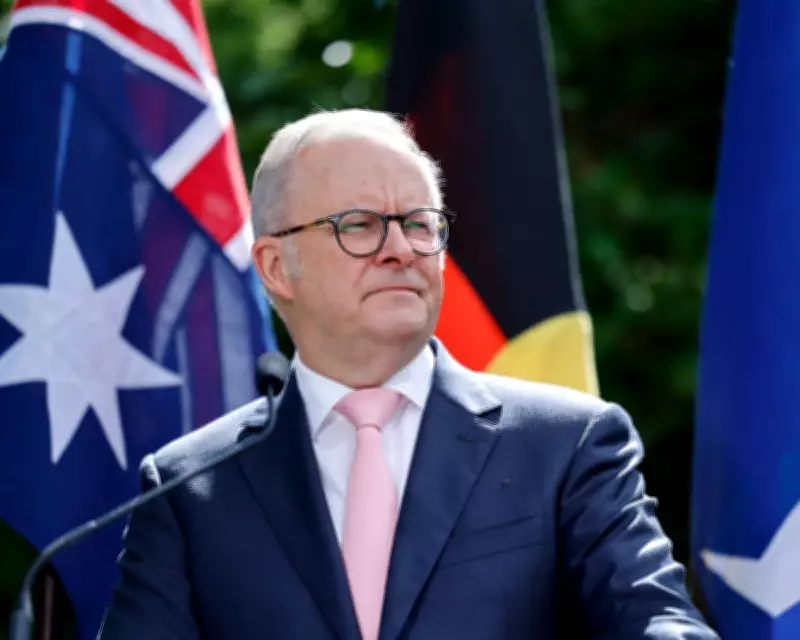
Prime Minister Albanese has defended the invitation, stating in a press conference: "I certainly welcome [Herzog] coming and I look forward to visiting... We need to build social cohesion in this country." Multicultural Affairs Minister Anne Aly described the invitation as "protocol" following the Bondi tragedy, later clarifying that she would "welcome anything that assists" Australians in uniting after the attack.
Shadow Foreign Minister Michaelia Cash expressed the opposition's support for the visit, calling planned protests "deeply disappointing." This political division reflects broader tensions within Australian society regarding the Israel-Gaza conflict, which has seen over 70,000 Palestinian deaths according to Gaza's health ministry, following the Hamas attack that killed 1,200 Israelis in October 2023.
As the February visit approaches, Australian authorities face the complex challenge of balancing diplomatic protocol with community safety concerns, while managing significant public opposition to hosting a foreign leader embroiled in international controversy.