American Voices Divided on Trump's Foreign Policy: From Venezuela to Greenland
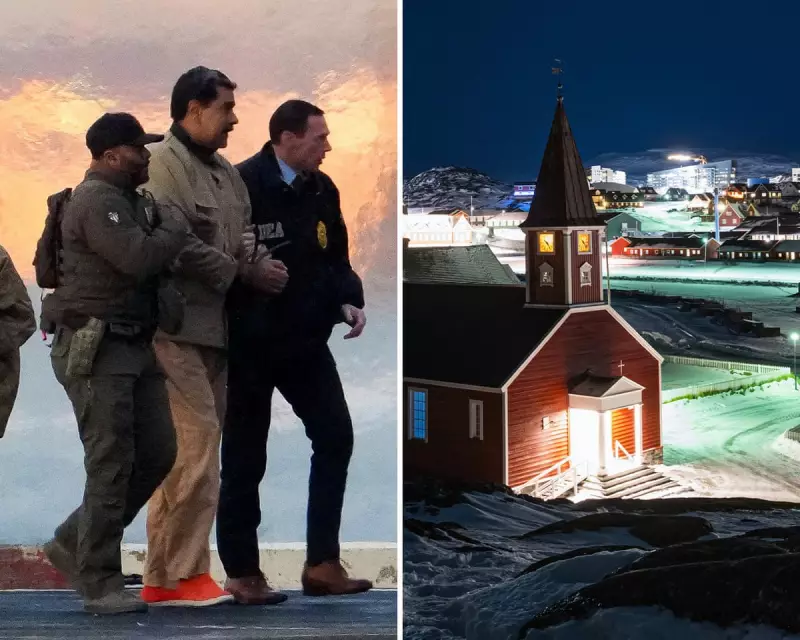
The "America First" doctrine championed by President Donald Trump has faced significant scrutiny following recent international actions, including the capture of Venezuelan leader Nicolás Maduro and renewed proposals for US control of Greenland. These developments have prompted diverse reactions from American citizens across the political spectrum, revealing deep divisions about the nation's role on the global stage.
Regret and Concern Among Former Supporters
Simon, a 20-year-old student from Indiana who voted for Trump in 2024, now expresses regret about his choice. "I feel like I've been fooled into voting not for an American-first policy, but an expansionist policy," he states. Simon highlights his disappointment that domestic issues like grocery and gas prices haven't improved, while foreign ventures dominate the agenda. He views the Venezuela operation as setting a dangerous precedent and questions how capturing Maduro benefits ordinary Americans.
"If the world does not accurately condemn the US now, why would Trump stop at Greenland?" Simon asks, expressing concern about bullying allies like Denmark. While not advocating complete isolationism, he believes there are better approaches to international relations than aggressive posturing.

Embarrassment and Fear of Diplomatic Damage
Carol, a 78-year-old social worker from New Mexico, describes having Trump as president as "embarrassing." She worries about the destruction of decades of goodwill with European allies and sees the Greenland situation as a genuine threat rather than mere political theatre. "The situation with Greenland is terrifying and I feel it is a real threat from Trump," she asserts.
Despite finding the political climate draining, Carol remains engaged through activism and volunteering. She emphasizes the importance of continued civic participation, stating "we all have to keep talking about this. There is no time to stand back."
Support for Demonstrating Military Strength
Eric, a 22-year-old restaurant manager from California, offers a contrasting perspective. He praises the Venezuela operation as demonstrating US military capability when national interests are threatened. "The way the operation was executed shows that the USA is a force to be reckoned with," he argues, suggesting that such actions prevent the country from becoming a "lame duck" on the world stage.
John, a Trump supporter in his early sixties from Florida, similarly views the Venezuela action as signalling strength to global rivals like Russia and China. While acknowledging Greenland's right to autonomy, he supports US oversight there as preferable to influence from geopolitical adversaries, provided it's achieved respectfully through negotiation rather than force.
Concerns About Democratic Erosion and Economic Impact
Seth, a 36-year-old e-commerce worker from Ohio who voted for Trump in 2016 but now identifies as a socialist, worries that foreign conflicts could be used to undermine democracy domestically. He believes Trump is "testing limits" and notes the shift from economic promises to foreign interventions. Seth suggests resource acquisition drives these policies, pointing to Venezuela's oil and Greenland's rare earth minerals.
Marie, a 58-year-old librarian from Tennessee, fears Trump's actions will leave the US "untrusted" internationally. "We'll be lucky if we have any allies by the time this is done," she warns, emphasizing that foreign ventures don't address pressing domestic issues like housing and healthcare costs.
Youth Perspectives and Intergenerational Concerns
Ocean, an 18-year-old non-binary student from California, questions the logic of spending billions overseas while domestic crises deepen. "How do we have the money to take over Greenland when there are people living on the streets?" they ask, expressing embarrassment about current foreign policy. Ocean also worries about young people bearing the brunt of potential conflicts, recalling classmates' horror at the prospect of deployment.

Marie Thompson, a 76-year-old retired teacher from Utah, shares these concerns about escalation. While acknowledging Maduro needed removal, she criticises the method and warns that "US imperialism could be the beginning of a dangerous road that leads to world war three." She describes Trump as governing through "intimidation, bullying and fear" and worries about the coming years.
A Nation Grappling with Its Global Role
These diverse perspectives reveal Americans wrestling with fundamental questions about their country's place in the world. From concerns about diplomatic relationships and economic consequences to debates about military strength and domestic priorities, the responses highlight how Trump's foreign policy moves have become a flashpoint for broader national conversations. As proposals regarding Greenland continue alongside the aftermath of the Venezuela operation, these divisions seem likely to deepen rather than resolve in the near future.