The Burnham Conundrum: Political Scarcity Versus Availability
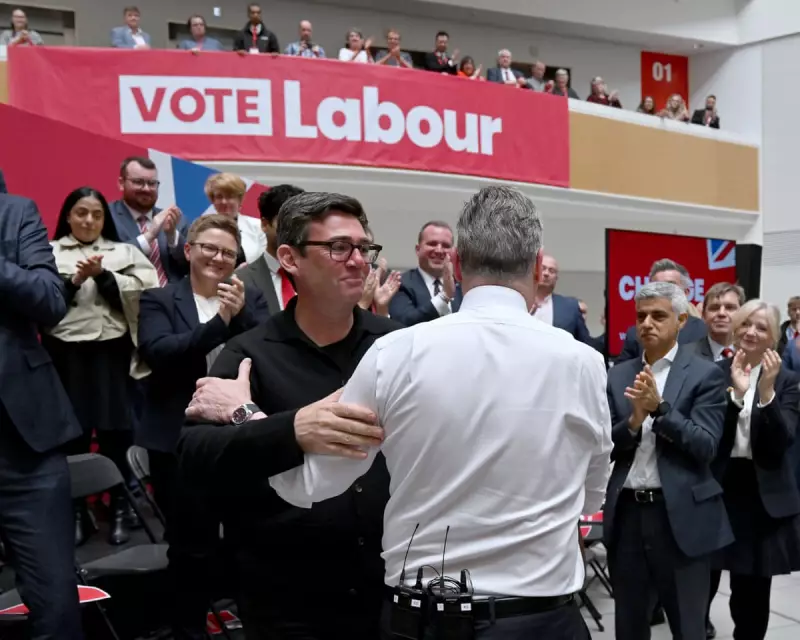
Andy Burnham and Keir Starmer stood together at the launch of Labour's general election manifesto in Manchester on 13 June 2024, presenting a united front. Yet behind this public display, a compelling political drama continues to unfold regarding Burnham's future. The Greater Manchester mayor finds himself at the centre of intense speculation about whether he will attempt a return to Westminster politics, creating a narrative that has captivated political observers across the nation.
The Johnny Depp Parallel: Scarcity Creates Value
To understand Andy Burnham's current political positioning, consider an unexpected parallel with actor Johnny Depp's career trajectory. Before his mainstream breakthrough in Pirates of the Caribbean, Depp represented a desirable scarcity model in Hollywood - high-prestige, low-supply, and carefully selective about his projects. Directors believed that securing his involvement would elevate their work, drawn to his distinctive style and apparent unavailability. This scarcity created an aura that enhanced his cultural leverage and perceived value.
However, after Pirates of the Caribbean's unexpected success transformed Depp into a widely available A-list star, that aura dissipated. His cultural premium collapsed as he became omnipresent in franchises and mass-market productions. The transition from scarce commodity to readily available star fundamentally altered his professional standing and public perception. This pattern demonstrates how scarcity generates appeal, while widespread availability can diminish perceived value - a dynamic with clear parallels in political leadership.

The Westminster Question: To Return or Not to Return?
The immediate catalyst for renewed speculation about Burnham's political future emerged when Gorton and Denton MP Andrew Gwynne announced his resignation, citing health reasons. This development potentially opens a parliamentary seat that could facilitate Burnham's return to Westminster, should he choose to pursue it. The situation has ignited debate within Labour circles about whether the popular mayor should challenge Keir Starmer for party leadership.
Labour's National Executive Committee (NEC) holds crucial authority in this matter, as it must grant permission for Burnham to resign as Greater Manchester mayor and subsequently stand as an MP. Current indications suggest that Keir Starmer maintains sufficient control over the NEC to potentially block such a move. This internal party mechanism adds another layer of complexity to an already intricate political calculation.
Potential Scenarios and Political Calculations
Several possible outcomes exist should Burnham pursue a Westminster return. He might successfully secure a parliamentary seat only to face unexpected challenges from Reform UK or other political parties. Alternatively, Labour could lose the valuable Greater Manchester mayoralty while Burnham attempts his political transition. Even if he achieved leadership, financial markets might react negatively given his previous criticisms of current economic approaches.
Burnham himself has attempted to defuse speculation while simultaneously articulating his political philosophy through what he terms "Manchesterism." This approach combines elements of nationalisation with wealth taxes and regional development priorities. However, serious questions remain about whether such policies could adequately address the United Kingdom's profound structural challenges.
The Metro Mayor Advantage: Credit Without Blame
Currently, Burnham enjoys the advantageous position common to metro mayors: he receives credit for positive developments within his region while attributing negative outcomes to Westminster's policies. This dynamic allows him to maintain popularity without bearing responsibility for national-level challenges. The question becomes whether exchanging this relatively protected position for the exposed leadership of a national party represents a wise political calculation.

Many Labour members yearn for Burnham's leadership precisely because he remains unavailable - an illicit desire that might diminish considerably once fulfilled. Political history demonstrates that leaders often appear more appealing when they represent potential rather than reality. The transition from admired outsider to responsible insider frequently proves challenging for even the most talented politicians.
Conclusion: Watching Versus Starring
The ongoing speculation about Andy Burnham's political future reflects broader tensions within the Labour Party and British politics generally. His current position as a popular regional leader with national appeal creates an intriguing dynamic that may ultimately prove more valuable than any Westminster role. Like audiences watching a compelling film, political observers find themselves captivated by the possibility of Burnham's return while recognising that reality might prove less satisfying than anticipation.
As Labour navigates its internal dynamics and prepares for future electoral challenges, the Burnham question highlights fundamental tensions between regional and national leadership, between scarcity and availability, and between political potential and practical reality. For now, the Greater Manchester mayor remains a compelling figure in British politics - whether he chooses to remain in his current role or attempt a return to Westminster's centre stage.