Assisted Dying Bill Sparks Constitutional Clash Over 'Unprecedented' Parliament Act Threat
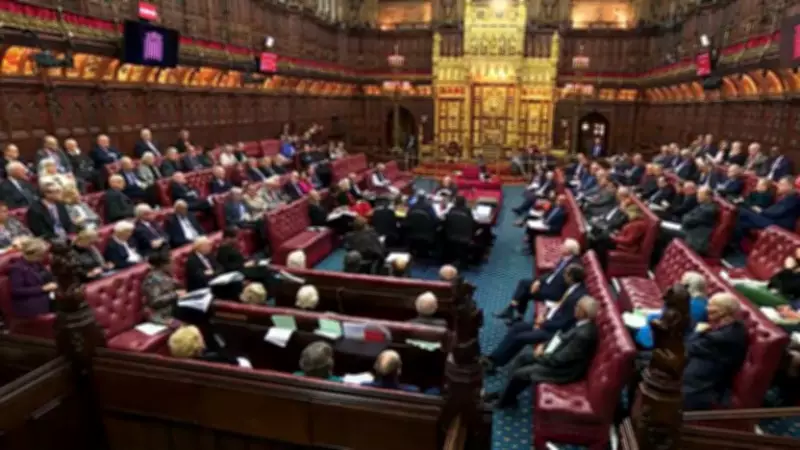
Opponents of the assisted dying bill have branded plans to use the Parliament Act to force it through without House of Lords approval as "outrageous" and "incredibly irresponsible", creating a major constitutional standoff in Westminster. The controversy erupted after Lord Falconer, the bill's sponsor in the Lords, suggested he could bypass the upper house to ensure elected MPs get their way, describing such a move as unprecedented but justified.
Peers Condemn 'Bully' Tactics as Debate Deadline Looms
Crossbench peer Baroness Ilora Finlay, a doctor and former president of the Royal Society of Medicine, told Sky News: "I think that's outrageous, I really do. Trying to hammer the bill through with all the dangers [in it] is incredibly irresponsible." Conservative peer Lord Mark Harper echoed these concerns, accusing Lord Falconer of wanting to "force through a bill which is unsafe and deficient."
The Parliament Act, which has only been used seven times since its introduction over a century ago, allows for identical bills passed by the Commons in two consecutive parliamentary sessions to become law without Lords approval. Lord Falconer defended the potential move, stating: "The essence of the Parliament Act is to give the Commons primacy over the Lords... If anybody is to decide whether this really important change is to take place, surely it shouldn't be a minority of Lords blocking it."

Slow Progress and Mounting Amendments
The bill faces significant challenges in the Lords, where it has made slow progress and appears likely to run out of time before the parliamentary session ends in May. Peers are scheduled to debate the legislation again on Friday, but with only 20 of 88 amendment groups considered so far during seven committee days, and scrutiny still focused on clause 1 of a 59-clause bill, the timeline appears increasingly tight.
Opponents have tabled over 1,200 amendments - one of the highest numbers in modern parliamentary history - with Baroness Finlay and Lord Harper alone responsible for more than 230. Baroness Finlay insisted: "Scrutiny is not filibustering. This bill as written is really unsafe." She highlighted numerous concerns including whether pregnant women would be eligible, protection against coercion, and which drugs would be used.
Government Position and Political Fallout
Home Office minister Alex Norris urged peers to "do their job" and use the process to revise and improve the bill rather than artificially stopping it. However, opponents fiercely deny obstruction tactics, arguing they are simply trying to improve flawed legislation.
A source close to Labour MPs and peers opposed to the bill suggested MPs might be unwilling to vote through the legislation if the "nuclear option" of the Parliament Act was deployed, calling Lord Falconer's threat "the act of a bully who knows they are losing the argument on the substance." Labour MP Jess Asato warned: "If we mess this up and force this through in this deeply flawed state we will be held responsible."
Procedural Constraints and Conscience Issues
The bill faces additional procedural hurdles, being restricted to Friday debates only. While the government has extended Friday sitting hours, it has refused to allocate further time. Lord Harper criticised using a private member's bill for such a complex issue, calling it "completely unsuitable," while defending the pace of scrutiny given the bill's size and complexity.
Lord Falconer maintained that the private member's bill route was appropriate for this conscience issue, arguing it would be wrong for any government to include it in a manifesto when political parties remain divided on the matter. As the debate intensifies and the deadline approaches, the constitutional clash between elected and appointed representatives continues to escalate, with the future of assisted dying legislation hanging in the balance.