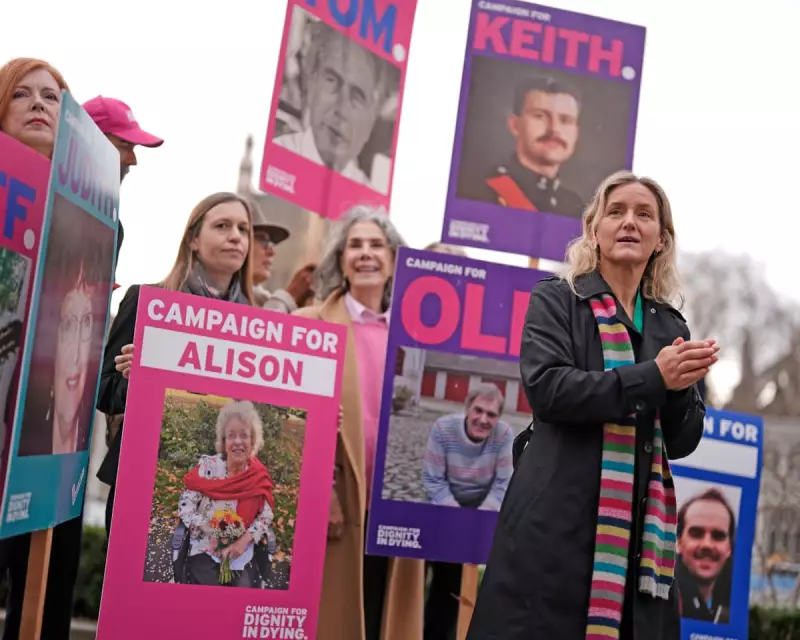
Assisted Dying Bill Faces Lords Filibuster as Public Backs Right to Die
The Assisted Dying Bill, a landmark piece of legislation that has passed the House of Commons, is now facing a critical threat in the House of Lords. A small but determined group of peers is employing filibustering tactics to slow down the legislative process to a crawl, with the clear intention of preventing a vote altogether. This move stands in stark opposition to the will of the elected Commons and the overwhelming majority of the British public, who have consistently shown support for the right to die with dignity for decades.
The Filibuster Strategy and Political Opposition
The bill's progress has been deliberately obstructed through a series of lengthy debates on trivial amendments, a tactic familiar from past political battles. Key figures from the Brexit era, including Michael Gove, David Frost, Mark Harper, and Thérèse Coffey, are among those leading the charge against the legislation. They deny that their actions constitute a filibuster, yet their behaviour—such as speaking slowly and proposing identical, time-wasting amendments—tells a different story. For instance, some amendments suggest replacing single words like "substance" with "substance and mixture," while others propose impractical requirements like mandatory pregnancy tests for all patients or barring those who have travelled abroad in the past year.
This opposition is not without its motivations. Some peers, like Ilora Finlay, are driven by strong religious beliefs, while others, such as Tanni Grey-Thompson, express concerns about the potential impact on disabled individuals. However, research indicates that a similar proportion of disabled people support assisted dying as the general population, highlighting a disconnect between the Lords' actions and public sentiment.

Details of the Bill and the Human Cost of Delay
The proposed legislation is notably restrictive, designed with multiple safeguards to prevent abuse. It would allow only terminally ill patients within six months of death to request assistance, and only in writing. The process requires approval from two doctors, a seven-day waiting period, and final consent from a panel including a psychiatrist, social worker, and senior lawyer. Patients must be capable of administering the life-ending medication themselves, in the presence of a doctor, and healthcare professionals have the right to opt out of participation.
Despite these precautions, the delay caused by the Lords' filibuster has real human consequences. A report titled The Inescapable Truth documents the horrific suffering endured by some terminally ill patients, even with the best palliative care. Cases include individuals retching at the smell of their own decaying bodies, vomiting faeces, or suffocating slowly over several days. On average, 17 people die in such distressing circumstances each day, based on 2019 figures, and around 650 suicides by terminally ill individuals are recorded annually—many of which may be lonely and unassisted.
Political Implications and the Future of the Lords
The government, led by Keir Starmer, who has previously voted in favour of assisted dying, holds the power to intervene. Options include using the Parliament Act to force the bill through without Lords approval or incorporating it into the King's Speech as a government bill in the next parliamentary session. However, there is little indication that either step will be taken, partly due to concerns about religious opponents within the cabinet, such as Wes Streeting and Shabana Mahmood.
If the bill fails, it will not only represent a defeat for compassionate reform but also fuel growing calls for radical overhaul of the House of Lords. With three-quarters of the public supporting assisted dying and many advocating for the removal of unelected peers, the Lords' actions could hasten their own demise. The chamber's composition, including 24 bishops in an increasingly secular society, is seen as unrepresentative and out of touch.

The Personal Toll and Long-Term Prospects
For Kim Leadbeater, the bill's sponsor, the process has been gruelling. Over more than a year, she has faced vitriolic opposition and endured lengthy scrutiny committees, all while championing what she describes as a "minimalist" proposal. Her experience may deter other MPs from taking up similar causes in the future, even if they win a place in the private member's bill ballot.
As the parliamentary session draws to a close in mid-May, time is running out. Without government intervention, the Assisted Dying Bill is likely to perish, leaving terminally ill patients without the choice to end their suffering on their own terms. This outcome would not only be a setback for human rights but also a stark reminder of the undemocratic power wielded by an unelected chamber.