The Australian government is accelerating its response to a landmark report on combating antisemitism, following intense political pressure in the wake of the Bondi terrorist attack. However, key recommendations within the envoy's plan have ignited significant fears among academic and cultural bodies that public funding could be used to stifle political opinion and dissent, particularly regarding criticism of Israel and pro-Palestine activism.
Key Recommendations and the Government's Stance
In July, special envoy Jillian Segal delivered a 20-page report containing 49 key actions designed to tackle rising antisemitism, documented since the Hamas attacks of 7 October 2023. The report's primary recommendation urges all levels of government to adopt the International Holocaust Remembrance Alliance's (IHRA) working definition of antisemitism, a move contested by some who argue it can conflate antisemitism with legitimate criticism of the Israeli state.
Other major proposals include expanding hate crime laws to cover "violent or intimidating protest activity", withdrawing public funding from universities and cultural institutions deemed to be failing on antisemitism, and updating visa processes to screen for antisemitic views. The plan also advocates for a national antisemitism incident database, media monitoring, and the removal of charitable tax status from organisations promoting antisemitic speakers.

Implementation and Mounting Criticism
Prime Minister Anthony Albanese initially declined to commit to the report in full upon its release. However, facing criticism after the Bondi attack, he has recently highlighted actions already taken. These include banning Nazi symbols, outlawing doxing, creating a national student ombudsman, and providing $4 million to the education nonprofit Together for Humanity. A review of visa assessment processes is also underway.
Despite this, Labor MP Josh Burns has urged the government to "speed this up" and present a clear timeline for implementing the full suite of recommendations, suggesting the response has been too slow for some within the governing party.
The Censorship Debate and 'Weaponised' Funding
The most contentious aspect of Segal's report centres on the potential withdrawal of funding. The report recommends her office work with government to terminate public grants for university centres, academics, or researchers who engage in "antisemitic or otherwise discriminatory or hateful speech or actions".
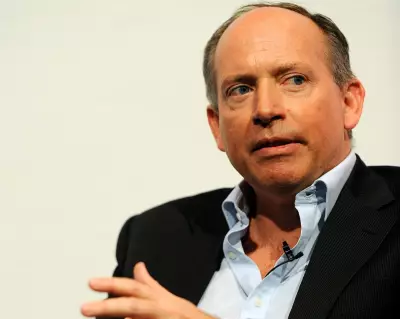
Critics argue this mechanism could be weaponised to silence political debate. Max Kaiser, executive officer of the Jewish Council of Australia, warned such a tactic "echoes the authoritarian playbook used by figures like Donald Trump". Similarly, Professor Jo Caust from the University of Melbourne cautioned it would be a "disaster" for Australia to follow a path of censorship, with the impact heavily dependent on how the plan is interpreted and enforced.
The core concern is that the broad definitions and powerful financial levers within the report could be used to penalise and quieten pro-Palestine protest and scholarly critique, under the banner of combating antisemitism.
While the government continues its work on the report, with Albanese vowing to "eradicate antisemitism", it remains unclear whether all 49 recommendations will be adopted. The debate underscores the delicate balance between protecting a community from hate and safeguarding fundamental democratic principles of free speech and dissent.