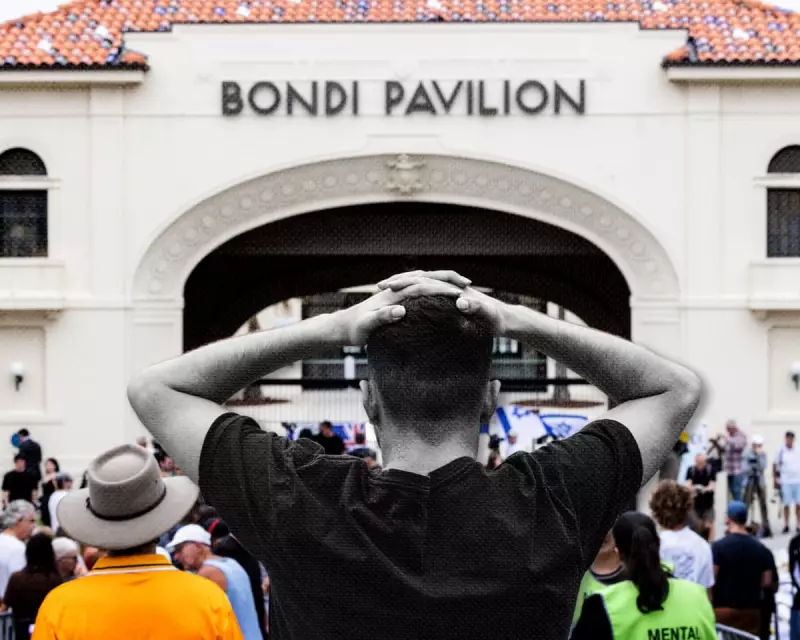
The horrific terror attack at Bondi Junction has left Australia reeling, confronting a profound sense of vulnerability within its own democratic society. In the aftermath, a natural impulse is to seek someone to hold accountable, with politicians often becoming the primary target for public fury.
The Futility of Seeking Political Scapegoats
As noted by acclaimed author Thomas Keneally, there is a powerful tendency to decide that politicians are to blame for such tragedies. However, he contends that the brutal truth is that in the face of such egregious savagery, our democratic systems themselves can feel profoundly inadequate. This feeling of institutional helplessness is a core part of the terror such events seed.
The attack, which claimed multiple lives including a former police officer named Meagher, was an act of unutterable cruelty designed to fracture society. It created victims across communities, leaving young Australian Jews and young Muslims alike asking painful questions about hatred and belonging. Keneally points out that the alleged attackers, who had been staying in a Campsie B&B, likely had little expectation of survival but were confident in their ability to provoke a bitter and divisive reaction.

Acts of Courage Amidst the Carnage
Amidst the darkness, there were moments of profound courage that defy the attackers' aims. A Muslim man, identified as Syrian-born Ahmed al Ahmed, confronted one of the gunmen and managed to disarm him temporarily. This act stands as a powerful rebuke to the ideology of division, demonstrating that pluralism and communal protection are the true antidotes to violence.
Keneally also highlights a sinister detail from the attack: one of the alleged shooters appeared to signal some people away, as if sparing non-Jews. This calculated attempt to sow specific ethnic and religious hatred only underscores the attack's malicious intent to pit communities against each other.
Resisting the Pull Towards Division and Opportunism
The immediate shock of the massacre is now giving way to anger, creating a dangerous opening for political opportunism. Keneally warns that a desperate political opposition may be tempted to masquerade as the sole protector of the Jewish community, engaging in what he calls the grossest form of opportunism. Similarly, he critiques Israeli Prime Minister Netanyahu for blaming Australia's Prime Minister over support for a two-state solution, arguing such simplistic blame games are unhelpful.
The foundational Australian principle, Keneally asserts, is that citizens can march and argue for their causes, but they cannot physically punish those who oppose them. There is no peace to be found in setting one group in society against another. The ultimate goal of such terrorism is to shut down debate, drive populations towards rancour, and push governments towards radicalism, creating a cauldron of resentment stoked from all sides.
While legitimate questions are raised about firearm controls and whether more police could have prevented the tragedy, the novelist suggests that the deeper solution does not lie in an ever-more fortified state. The reasonable society Australians desire is one where police are not required to carry rifles at every public gathering. The challenge, in the shadow of Bondi, is to reject the divisive narrative, trust our neighbours, and reaffirm the shared civic bonds that terror seeks to destroy.