Braverman's Dramatic Defection Marks Critical Juncture for Reform UK
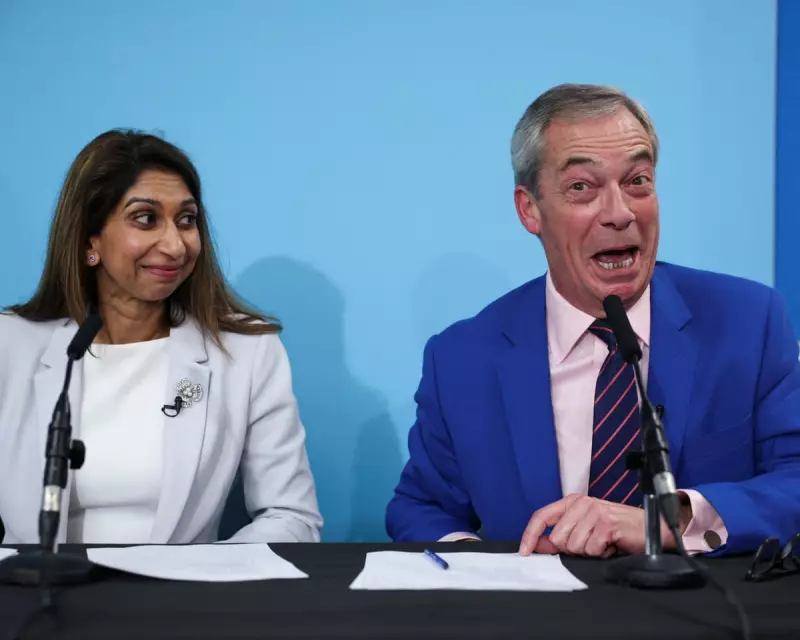
In a move that surprised precisely nobody yet carried profound implications, former home secretary Suella Braverman has formally joined Reform UK, bounding onto the stage during a London rally to declare she had "come home." The defection represents Nigel Farage's most significant political gamble to date, bringing both valuable cabinet experience and considerable controversy to the rapidly expanding party.
The Long-Awaited Departure
A Conservative spokesperson acknowledged what many had anticipated for months, stating Braverman's move was "always a matter of when, not if." The twice-sacked minister, who served under four different prime ministers, had been on the backbenches for over three years with no prospect of advancement under current leadership. Her appearance at what was ostensibly a veterans' affairs event had been carefully concealed, though the political world had long expected this development.
Reform's Growing Parliamentary Presence
With Braverman's arrival, Reform UK now boasts eight MPs, four of whom originally entered parliament as Conservatives. Crucially for a party potentially forming a government from what amounts to a standing start, three possess top-level governmental experience. Alongside Braverman's cabinet background stands Robert Jenrick, who defected just over a week earlier, and Danny Kruger with his Downing Street advisory experience.

However, Labour officials have been quick to highlight the potential risk this presents, arguing that voting Reform might simply deliver "a Tory replay" led by what they characterise as misfits or electoral rejects. This perception challenge has not escaped Farage's attention, prompting his recent announcement of a strict 7 May deadline for party-switchers to create momentum rather than a gradual trickle.
The Baggage Braverman Brings
Braverman's career has been marked by consistent controversy, making her defection particularly risky for Reform. Her first dismissal as home secretary came during Liz Truss's brief premiership, forced to resign after just 45 days for using a personal email to send sensitive documents. Reinstated under Rishi Sunak, she lasted little more than a year before being ousted again for an unauthorised newspaper article that exacerbated tensions around policing of demonstrations.
These incidents represent just two entries on a lengthy list of controversies generated by a politician described by one Reform insider last year as "not a team player" and "too disruptive." Speaking to reporters after Braverman's announcement, Farage denied personally ruling out her joining but acknowledged others might have done so on his behalf.
The Personal and Political Calculus
For Braverman personally, the defection represents a logical move. The hard-right, culture war-friendly, anti-immigration party currently leads opinion polls, offering her a platform when Conservative advancement seemed impossible. Current Conservative leadership appears largely unconcerned about her departure, with Kemi Badenoch making light of Jenrick's recent defection on national television.
For Reform UK, however, the calculation proves more complex. While Braverman received rapturous applause from the party faithful, Farage recognises that electoral success requires appealing beyond the approximately 20% of voters fully committed to Reform's project. The challenge lies in attracting those seeking national renewal while fielding politicians associated with previous failed governments.
A Delicate Balancing Act
Farage faces a delicate balancing act that he acknowledges openly. While Braverman offers a ready-made home secretary with Whitehall experience who would enthusiastically implement restrictive migration policies, she also represents both a potential ticking timebomb and a possible barrier to expanding the party's appeal. This explains why Farage has described the prospect of Liz Truss defecting as "unlikely," demonstrating his awareness of the need for careful selection.

The former home secretary brings undeniable strengths to Reform UK, including ministerial experience and hardline credentials that resonate with the party's base. Yet her history of conflict and controversy presents significant risks for a party seeking to present itself as a fresh alternative to the political establishment. Even for a seasoned political gambler like Nigel Farage, this represents one of his boldest and most consequential wagers yet.