

Former PM Confident of Landmark Welfare Change
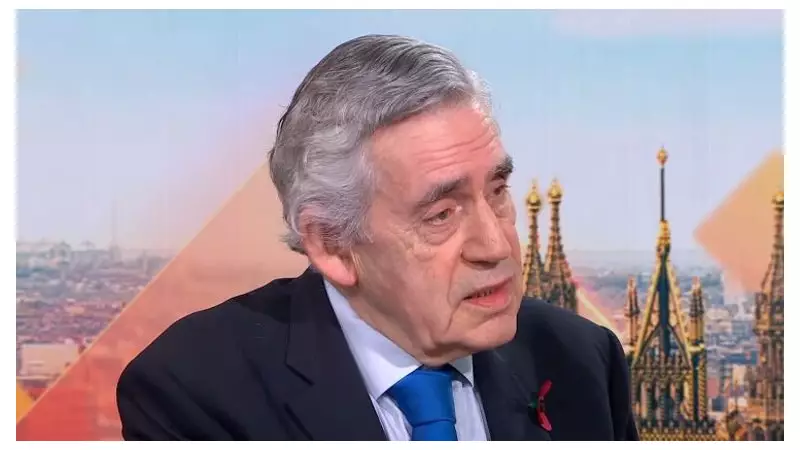
Gordon Brown, the former Labour Prime Minister, has expressed strong confidence that the controversial two-child benefit cap will be addressed in Chancellor Rachel Reeves's upcoming budget. Speaking on Sky News' Mornings with Ridge and Frost, Mr Brown intensified his long-standing campaign against the policy, which restricts child tax credit and Universal Credit to the first two children in a family.
The former chancellor, who held the Treasury role for a decade, stated: "I am confident that the two-child rule will be addressed." He revealed that both the Chancellor and Prime Minister Keir Starmer are personally engaged with the issue, adding: "We're waiting for Rachel Reeves's budget, which I think will mention this. Keir Starmer, I know is personally concerned and interested in this."
Gambling Tax Proposed to Fund Cap Removal
In a significant development, Mr Brown proposed a specific funding mechanism to pay for scrapping the cap – a new tax on gambling companies. He highlighted the substantial disparity between tax rates on different industries, noting: "We tax cigarettes at 80%, we tax alcohol at 70%, but the online gambling tax is 21%. So there's a big case for change."

He argued that gambling firms could easily afford the increased levy, with the revenue being directly channelled to tackle child poverty. "I want that money to go to child poverty," Mr Brown emphasised. "So, move the money from, if you like, the bad, by taxing it. And put it to good, which is children taken out of poverty."
Immediate Impact on Child Poverty Figures
The potential impact of removing the two-child limit is substantial. According to the Child Poverty Action Group, the policy pulls 109 additional children into poverty every single day it remains active.
Their research indicates that abolishing the cap would produce immediate positive results:
- 350,000 children would be lifted out of poverty immediately.
- The depth of poverty would be reduced for a further 800,000 children.
- The total cost of this measure is estimated at £2 billion.
The budget, scheduled for 26 November 2025, therefore represents a critical juncture for the policy. However, the government faces a challenging political landscape. Recent YouGov polling shows that 59% of the public supports keeping the cap, with only 26% favouring its abolition.
The issue has already caused significant internal tension for the Labour party. Just two weeks after their landslide election victory last year, Sir Keir suspended seven Labour MPs for six months after they defied the party whip to vote for scrapping the cap. With the Chancellor reportedly scrambling for savings, finding the necessary £2 billion will be a key test of the government's commitment to its social priorities.






