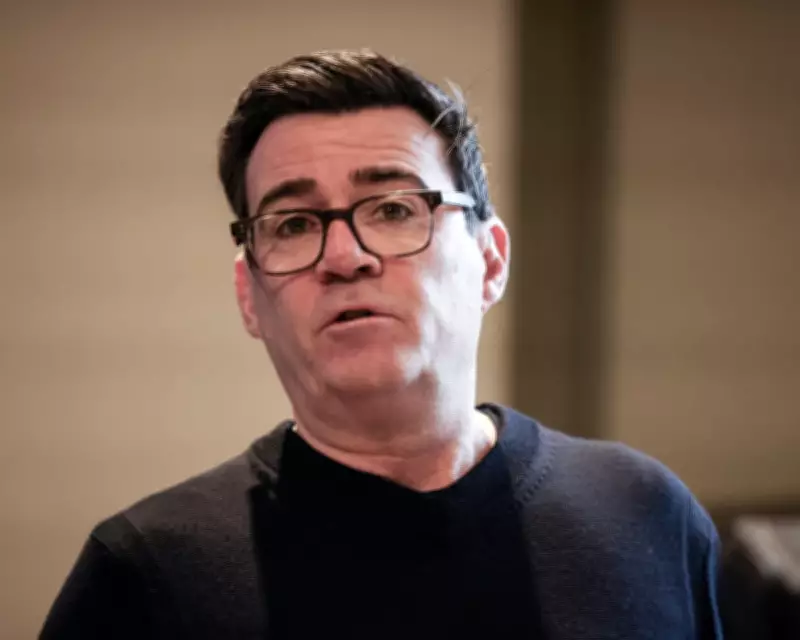
Andy Burnham, the Mayor of Greater Manchester, has launched a scathing attack on what he describes as a pervasive "license to lie" culture among Westminster insiders, following his controversial blocking from standing in the upcoming Gorton and Denton by-election. The decision was made by a ten-strong grouping within Labour's ruling National Executive Committee (NEC), sparking a week of intense political fallout and public recriminations.
A Decisive Block and a Fiery Response
During a candid phone-in session with BBC Radio Manchester, Burnham expressed his profound frustration with the political briefing tactics employed in the House of Commons. He asserted that, since his own tenure in government, he has observed individuals who believe they can make unchecked statements to the media without consequence. "They do it to denigrate the character, impugn the integrity of elected politicians," Burnham stated emphatically, highlighting the personal and professional damage such actions can cause.
Accusations of Deception and Denials
The dispute escalated earlier this week when Burnham directly accused Downing Street sources of dishonesty. This followed briefings from an unnamed ally of Labour leader Keir Starmer, which claimed Burnham had been informed "in no uncertain terms" that any application to the NEC for the by-election candidacy would be rejected. A spokesperson for Number 10 swiftly denied that anyone associated with Starmer had conveyed this message to the Manchester Mayor, further fuelling the controversy.

Burnham also referenced the notorious "stop Wes" briefings as a prime example of this problematic culture. These anonymous interventions from Downing Street sources were aimed at discouraging Health Secretary Wes Streeting and others from attempting to oust the Prime Minister. "Some of these people are paid by the public purse, but in my view, anybody paid by the public purse does not get a license to lie," Burnham declared, underscoring his belief in accountability for publicly funded officials.
Commitment to Campaigning and Candour
Despite the personal setback and the bitter political row, Burnham affirmed that he would not succumb to bitterness. Instead, he pledged to actively campaign in the by-election while maintaining his stance against deceptive practices. "In the aftermath of all of this, I'm not going to be bitter, and I'm going to be out there campaigning in the by-election, but I am going to call that one thing out," he vowed, indicating a continued focus on ethical political discourse.
Complex Relations with Starmer and Labour Leadership
Burnham did acknowledge some positive aspects of his relationship with Keir Starmer, particularly praising the Labour leader's support for the Hillsborough law. This legislation, which Burnham championed in parliament, mandates a "duty of candour" for public servants, aligning closely with his current criticisms of Westminster culture.
However, he revealed a layer of complexity in their interactions, noting that Starmer had chosen not to speak with him prior to his decision to apply for the Manchester seat, despite Burnham's specific request for a conversation. "I did ask to speak to the prime minister, because I wanted to assure him of something I put in the letter that supported my application, and it was that I wasn't coming in to undermine him or the government," Burnham explained, emphasising his intent to contribute constructively rather than challenge authority.
Seeking Clarification and Cooperation
Burnham clarified that his motivation for seeking the candidacy was rooted in addressing systemic issues holding Greater Manchester back, problems he believes require attention at the national level. "I was coming in to see if I could contribute, because some of the things I know are holding Greater Manchester back are problems at that level," he said, framing his application as an effort to bridge local and national governance.

Reflecting on a subsequent conversation with Starmer held on Monday, Burnham described it as a "fair exchange" where both parties expressed their feelings openly. "I would have preferred, obviously, to speak in advance to the decision to assure him of what I was trying to do. As I say, I think it could have created a more positive path for everybody, including the prime minister, including the government," he concluded, suggesting that better communication might have averted the current impasse and fostered a more collaborative political environment.