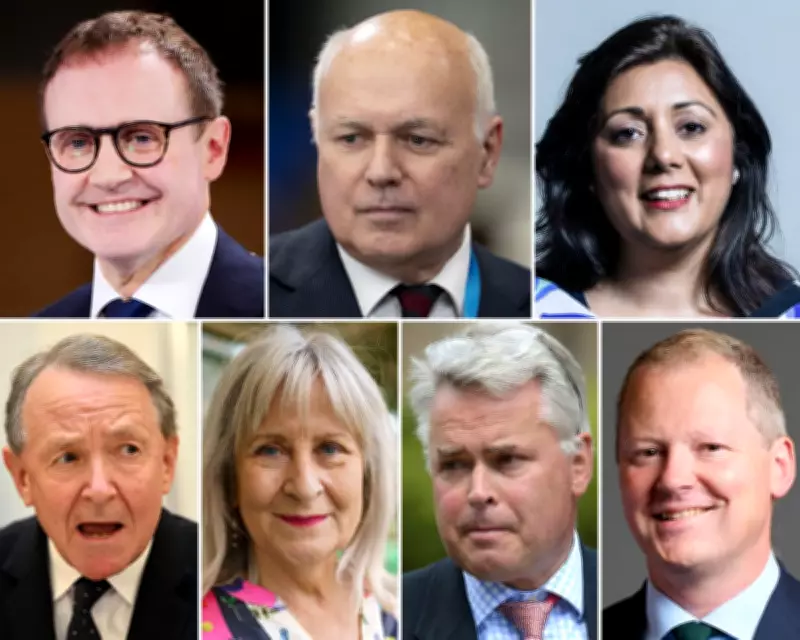
In a significant diplomatic development, China has announced it will lift sanctions imposed on six serving British MPs and peers, reversing a decision originally taken in 2021. This move follows Keir Starmer's recent trip to Beijing, marking a potential thaw in UK-China relations after years of tension over human rights and security concerns.
Background to the Sanctions
The original sanctions, implemented in 2021, targeted nine UK citizens including five Conservative MPs and two members of the House of Lords. These individuals had been outspoken critics of China's policies, particularly regarding the treatment of Uyghur Muslims and broader human rights issues. The sanctions prohibited them from entering China and engaging in business activities with Chinese entities, representing what many viewed as an attempt to silence parliamentary criticism.
The Sanctioned Individuals
From left to right, clockwise: Tom Tugendhat, Iain Duncan Smith, Nus Ghani, Neil O'Brien, Tim Loughton, Helena Kennedy and David Alton. These politicians represent a cross-section of British political life, united by their willingness to challenge Beijing's policies.

Tom Tugendhat: Security Expert
Tom Tugendhat, MP for Tonbridge and former security minister, was first elected in 2015. The son of a high court judge, Tugendhat served in Iraq and Afghanistan before becoming a military assistant to the chief of the defence staff. He chaired the foreign affairs select committee between 2017 and 2022, and described the original sanctions as "a direct assault on British democracy and an attempt to silence the British people."
Iain Duncan Smith: Veteran Critic
Iain Duncan Smith, MP for Chingford and Woodford Green and former Conservative party leader from 2001 to 2003, was sanctioned for his role as co-chair of the Inter-Parliamentary Alliance on China. This international alliance examines China's role in global trade, security and human rights issues. Duncan Smith has been one of parliament's most consistent critics of Beijing's policies for years.
Nus Ghani: Human Rights Advocate
Nus Ghani, MP for Sussex Weald and deputy Commons speaker, became the first female MP for her constituency in 2015. In 2020, she launched an inquiry into Uyghur forced labour in UK business supply chains. A month after her sanctioning, she successfully tabled a Commons motion recognising China's actions against Uyghurs as genocide.
Neil O'Brien: Policy Specialist
Neil O'Brien, MP for Harborough, Oadby and Wigston and shadow minister for policy renewal, was elected in 2017. Born in Huddersfield, he previously served as special adviser to George Osborne and Theresa May. In 2020, he co-founded the China Research Group with Tom Tugendhat to promote fresh thinking about Britain's response to China's rise.
Tim Loughton: Former MP
Tim Loughton, former MP for East Worthing and Shoreham, held his West Sussex seat from 1997 until standing down in the 2024 election. A former City banker who served as children's minister after 2010, he was sanctioned for his membership of the Inter-Parliamentary Alliance on China. As Starmer's statement only referenced sitting parliamentarians, it remains unclear whether Loughton will still face restrictions.
Helena Kennedy: Labour Peer
Lady Helena Kennedy, a Scottish barrister and Labour peer appointed Queen's Counsel in 1991, was made a life peer in 1997. She co-founded the Inter-Parliamentary Alliance on China in 2020 alongside Duncan Smith and activist Luke de Pulford, and now serves as a co-chair of the organisation.
David Alton: Crossbench Campaigner
Lord David Alton, a crossbench peer and former Liberal MP elected in 1979, was made a life peer in 1997. In 2021, he introduced the genocide amendment to the Trade Act in the Lords, which would have prohibited UK trade with countries committing genocide. He described China's sanctions against him as "a crude attempt to silence criticism."

Political Implications
The lifting of sanctions represents a notable shift in UK-China relations following Starmer's diplomatic engagement. However, it raises questions about how Britain will balance economic interests with continued scrutiny of human rights abuses. The affected politicians have maintained that their criticism stems from legitimate concerns about democratic values and international law, rather than hostility toward China itself.
This development comes at a time when global powers are reassessing their relationships with Beijing amid growing geopolitical tensions. The UK government faces the challenge of navigating these complex dynamics while upholding its commitment to human rights and parliamentary freedom of speech.