Christian Nationalism: A Dead End for British Conservatives, Warns Analyst
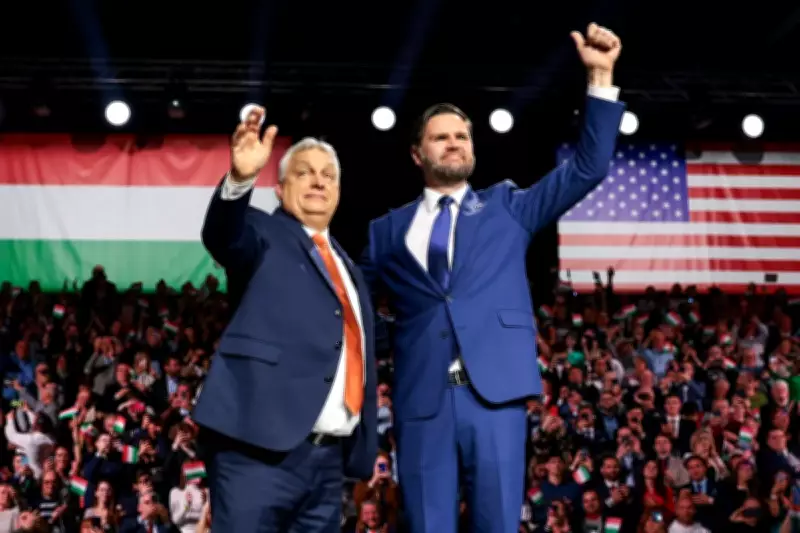
In a stark warning to the British right, opinion editor Alys Denby asserts that embracing Christian nationalism, as championed by figures like U.S. Vice President JD Vance and Hungarian Prime Minister Viktor Orban, represents a futile and damaging direction for conservatives in the United Kingdom. This critique comes amid Vance's recent public support for Orban's reelection bid in Hungary, highlighting a trans-Atlantic network that promotes protectionist economics and religiously infused politics.
The Orban-Vance Connection and Its Implications
JD Vance's endorsement of Viktor Orban stems from the Hungarian leader's funding of a network of think tanks, writers, and influencers that advocate for Christian-nationalist ideals. This alliance, Denby notes, is crucial for Vance's own political ambitions in succeeding Donald Trump. However, the analyst points out the irony in Vance complaining about foreign interference in European elections while standing alongside Orban, a Putin ally, just days before Hungarian polls open.
The influence of Orban's Fidesz party on British conservatives might seem alarming, but Denby clarifies that it is less sinister than perceived. Events like the National Conservatism Conference have included mainstream thinkers such as Michael Gove and discussions on topics like immigration control and globalization. Many attendees are patriotic individuals frustrated with the status quo, drawn to new ideas, and influenced by figures like Roger Scruton, who had a historic affection for Hungary.

Why Christian Nationalism Fails in Britain
Denby argues that a doctrine centered on Christianity and opposition to gay rights is doomed in the UK, where only five percent of the population regularly attends church. Hungary's policies, such as allowing IVF for single women but not lesbians and banning pride marches, clash sharply with British attitudes, as just nine percent of Brits believe same-sex relationships are "always wrong." Furthermore, abandoning free-market principles undermines the right's traditional support for business interests, a fundamental pillar of conservative ideology.
Orban currently faces his most significant electoral challenge in 16 years, while the MAGA movement, which anointed Trump as its leader, has been criticized for its destructive impact on the global economy. Trump's foreign policy failures, including a catastrophic outcome in Iran that led to tolls on the Strait of Hormuz and a controversial peace plan, highlight the risks of such ideologies. Denby notes that one unintended success of MAGA has been pushing Europe toward greater defense independence, but she warns that any conflict over Greenland involving American troops would result in a Pyrrhic victory for this destructive approach.
In conclusion, Denby urges British conservatives to reject the dead-end path of Christian nationalism, emphasizing that it is incompatible with UK cultural values and economic principles. The records of Orban, Vance, and the MAGA movement serve as cautionary tales for those seeking a viable future for the right in Britain.