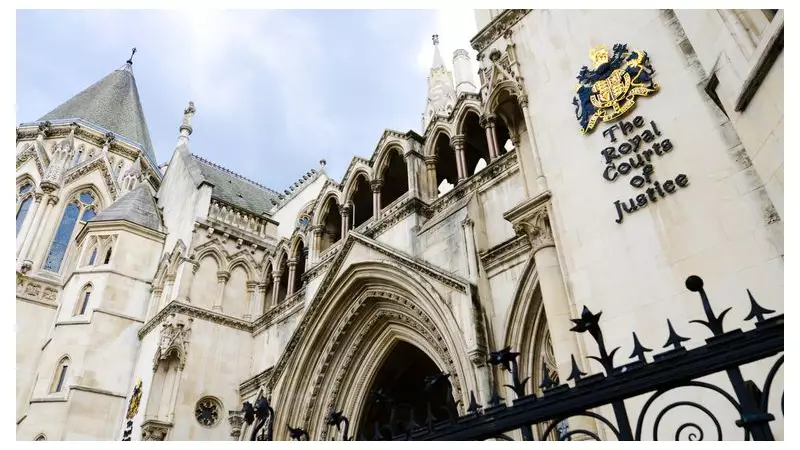
A double murderer serving a life sentence has been awarded £7,500 in compensation after the High Court ruled his treatment in a specialist prison unit breached his human rights.
The Crimes and the Controversial Confinement
Fuad Awale is currently serving a life sentence for the murder of two teenagers in 2011, whom he shot in the head. In prison, his behaviour led to him being moved to a Close Supervision Centre (CSC), a unit for the most dangerous inmates. This transfer occurred after he was involved in taking a prison officer hostage and threatening to kill him.
Authorities later imposed further restrictions, stopping Awale from having contact with other prisoners. Among those he was barred from communicating with was one of the men convicted of murdering Fusilier Lee Rigby in Woolwich in 2013.

The High Court's Human Rights Ruling
Awale launched a legal challenge, arguing that his isolation and treatment had negatively impacted his mental health and breached his human rights. In a ruling last year, the High Court agreed, finding that the Ministry of Justice had violated Article 8 of the European Convention on Human Rights (ECHR) – his right to respect for private life.
The case was discussed in Parliament in November 2025, where it was revealed Awale had also been awarded £234,000 in legal costs. The compensation figure of £7,500 was confirmed in a letter from Justice Secretary David Lammy to Shadow Justice Secretary Robert Jenrick on 29 December 2025.
Political Fallout and Government Stance
The payout has sparked significant political debate. Robert Jenrick accused the government of putting the ECHR "above the safety of officers and the interests of the British people" and "cowing to one of the most despicable terrorists in Britain".
In response, David Lammy defended the government's actions, stating the compensation was "mandated following a court judgment" and constituted a "modest proportion of the overall settlement". He emphasised that the government had contested the claim in line with policy.
The Ministry of Justice reiterated its position, stating: "This government will not be cowed by legal threats from prisoners. The Separation Centre remains an essential operational tool to protect the public and other prisoners." However, it added that the application of the ECHR is under review to ensure it does not hinder national security.
The controversy emerges weeks after Lammy met with other ECHR member states, where they agreed to consider reforms to the treaty, including aspects related to Article 8, in the context of tackling illegal migration.