Europe Scrambles to Counter Potential Far-Right French Presidency
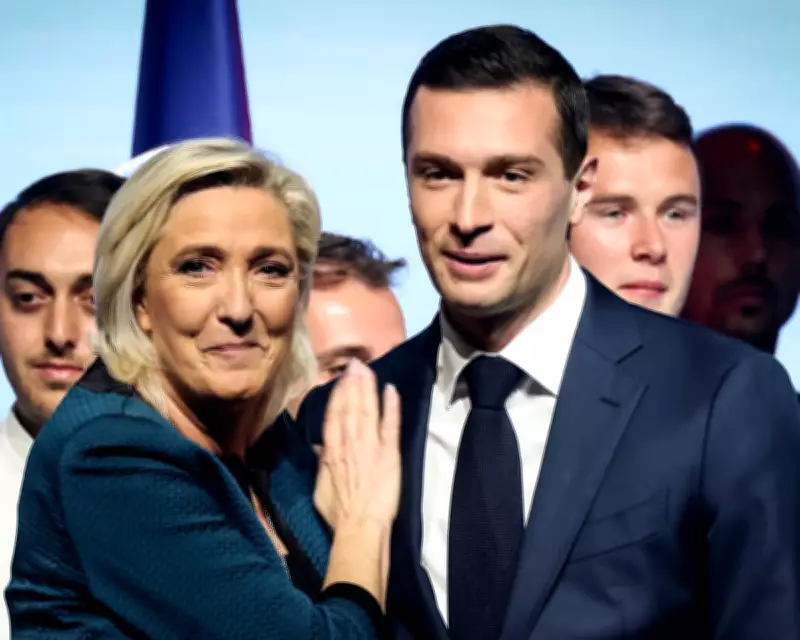
European governments have begun quietly preparing for the once-unthinkable scenario of France electing a far-right nationalist president in 2027. With nuclear-armed France serving as Europe's pivotal military power, the possibility of Marine Le Pen or Jordan Bardella leading the country has policymakers in Brussels, Berlin, and Kyiv working overtime to secure institutions against the National Rally threat.
Accelerated Negotiations and Nuclear Deterrence Talks
This anxiety is prompting European partners to accelerate negotiations with Paris on critical matters, hoping to lock in agreements before any potential political shift. Eight European nations, including nuclear-armed Britain and seven non-nuclear states, have initiated talks to come under France's "forward nuclear deterrence" umbrella. These discussions involve joint nuclear exercises, space-based early warning systems, and collaborative air and missile defense planning.
The timing reflects broader geopolitical concerns, with Iran under bombardment and the Middle East in turmoil. European leaders see this as essential insurance against Donald Trump's unpredictable presidency and America's strategic pivot away from Europe, which has raised serious questions about Washington's commitment to maintaining nuclear protection over the continent.

Germany's Strategic Shift and Alternative Alliances
German Chancellor Friedrich Merz has announced concrete steps with France before year's end, including creating a nuclear strategy steering group and German conventional participation in French nuclear exercises. This represents a dramatic shift for a nation that relied exclusively on American nuclear protection for decades.
Simultaneously, European leaders are cultivating alternative alliances within the EU as backup plans. Merz's growing cooperation with Italian Prime Minister Giorgia Meloni exemplifies this trend, while Nordic politicians and intellectuals have begun discussing the need for a "Nordic nuke," with similar conversations occurring in Poland about nuclear self-reliance.
The National Rally's Controversial Positions
The urgency stems from the National Rally's declared policies. The party insists France's nuclear deterrent remains strictly national and not for sharing with allies. Furthermore, the RN advocates for trade barriers and border controls within the European Union while vehemently opposing any further enlargement of the 27-nation bloc.
This opposition explains why Ukrainian President Volodymyr Zelenskyy and Ukraine's strongest EU supporters are pushing aggressively for Kyiv to join the bloc in 2027, even without full rights and benefits. They hope to secure membership before any potential blockade from a Le Pen- or Bardella-led Paris.
Macron's Political Challenges and Strategic Appointments
Domestically, President Emmanuel Macron faces increasing political constraints as he lacks a parliamentary majority and struggles with significant debt burdens that limit his fiscal flexibility. These limitations hamper his ambitious plans for European strategic autonomy and substantial support for Ukraine.
Barred from seeking re-election after two terms, Macron has initiated his own insurance policy against a potential National Rally victory. He has begun placing loyalists in key positions that will extend beyond his presidency, ensuring pro-European voices remain influential.
Last month, Macron appointed his centrist budget minister, Amélie de Montchalin, to the presidency of France's court of auditors—an unsackable position she could theoretically hold for nearly three decades. He also sent her predecessor to fill France's seat on the European court of auditors.
Strategic Financial Appointments and EU Budget Concerns
This placement strategy extends to major financial institutions. European Central Bank President Christine Lagarde reportedly plans to step down before her term expires in October 2027, giving Macron time to appoint the next French member of the bank's executive board for an eight-year term. Similarly, Bank of France governor François Villeroy de Galhau has announced early retirement, creating another strategic six-year position for Macron to fill.

"He's methodically putting guardrails in place," explained a senior presidential supporter. "All outgoing presidents have rewarded key supporters with plum jobs, but this time it's different because of the risks before us."
EU Budget Negotiations Under Pressure
The prospect of a "rogue France" is accelerating negotiations over the EU's next seven-year budget, scheduled to run from 2028 to 2034. Jordan Bardella has declared that if elected, he would demand France's money back from Brussels, seeking a €2 billion rebate on Paris's annual EU contribution—echoing the confrontational tone of former British Prime Minister Margaret Thatcher in the 1980s.
Brussels officials and the current holders of the EU's rotating presidency—Cyprus and Ireland—are pressing for a budget agreement as soon as possible, hoping to finalize terms before the French presidential election campaign gains momentum.
As Europe watches France's political landscape with growing concern, the continent faces unprecedented challenges to its unity, security architecture, and collective future.