European leaders are facing a monumental and morally charged decision at a critical summit in Brussels this week. The central question is whether to mobilise an estimated £184 billion in Russian state assets, frozen across Europe since the invasion, to provide vital funding for Ukraine's defence. With Kyiv's finances running perilously low, the proposal represents a potential lifeline, but it is fraught with complex legal and political peril.
The Ingenious Yet Risky Proposal
The European Union has crafted a nuanced plan to unlock the value of these frozen funds without a direct, and legally contentious, seizure. The preferred mechanism is a sophisticated loan to Ukraine, backed by the future profits or the value of the assets themselves. Proponents argue this approach is both ingenious and legally defensible, a necessary step to sustain a war that may soon enter its fifth year. They see it as a clear duty for Europe to act as a geopolitical heavyweight.
However, the path to consensus has been rocky. As the summit began, several member states remained opposed. Belgium, where a significant portion of the assets are held, was described as being on a 'knife-edge'. The concerns are multifaceted: bond markets could punish states for taking on risk, and voters grappling with a cost-of-living crisis may resent such a colossal financial commitment.

A Global Pandora's Box of Consequences
The move's opponents, and even its wary supporters, fear it could set a dangerous international precedent. Russia will inevitably view it as theft and launch fierce legal challenges. More significantly, the plan is bitterly opposed by Donald Trump, who reportedly wants the assets unfrozen as part of his own pro-Russian peace framework. US and Russian negotiators are poised for further talks in Miami, underscoring the global diplomatic stakes.
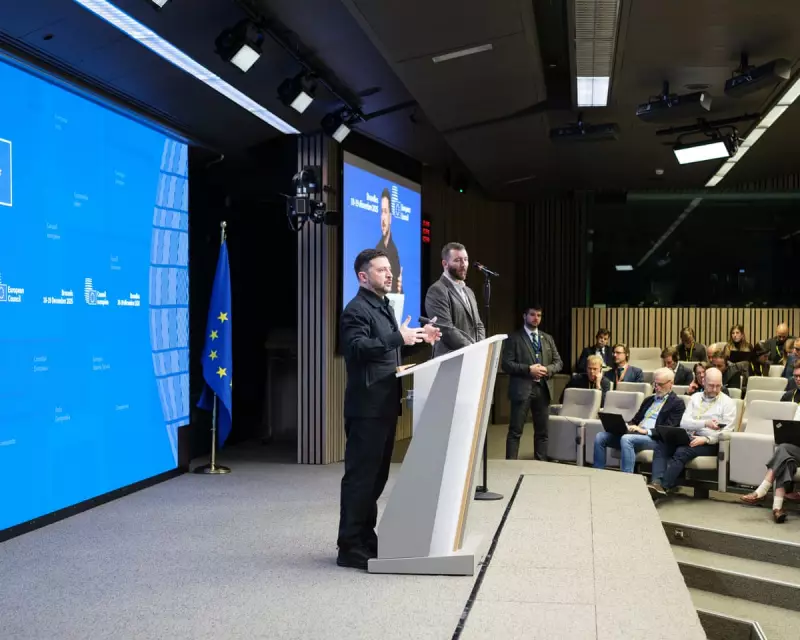
The shadow of a wider economic nationalism looms large. If Europe proceeds, it could open a 'Pandora's box', encouraging other nations to freeze or repurpose foreign-held assets in future disputes, such as over Taiwan. Furthermore, the efficacy of such financial measures is in question. As President Volodymyr Zelenskyy noted during the summit, 'There is no magic bullet that can end this conflict.' Nearly four years of sanctions have not crippled Russia's economy, largely due to continued oil sales to countries like China and India.
An Existential Test for European Unity
This week's deliberations, which continued on Friday, underscore three profound realities. Firstly, the outcome is massively important for Ukraine's immediate survival. Secondly, it represents an existential test for the EU's ability to act with unity and strategic resolve. Thirdly, the lack of early consensus was a testament to the profound difficulties involved.
The cold truth overshadowing the Brussels summit is that, without finding new means to fund Ukraine, Western support risks faltering. The plan for the Russian assets, for all its risks, has become a focal point of this moment of truth. Whether it proves to be a masterstroke of solidarity or a catalyst for greater global instability remains to be seen, but the decision will undoubtedly define Europe's role on the world stage for years to come.