European Union leaders have brokered a crucial agreement to provide Ukraine with a substantial new financial package, overcoming a potential veto from Hungary's Prime Minister Viktor Orbán. The deal, reached in the early hours of Friday after lengthy negotiations, will see the EU back a massive, interest-free loan to support Kyiv's military and economic needs for the next two years.
Hungary's Key Concession
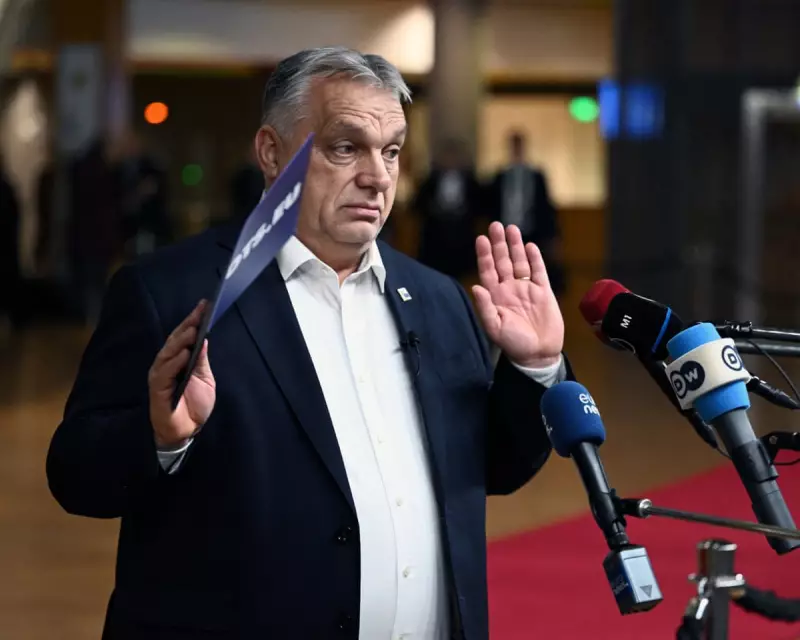
The breakthrough came when Viktor Orbán agreed not to block the borrowing, on the condition that his country, along with Slovakia and the Czech Republic, would be excluded from providing guarantees for the debt. A text from the agreement confirmed that the financial obligations of these three nations, which had expressed reluctance to fund Ukraine, would not be affected.
This compromise averted a deadlock, as the Moscow-friendly Hungarian government had previously signalled its opposition to the deal, mirroring its stance against using frozen Russian assets. The discussions initially focused on leveraging these immobilised Russian funds, but diplomats revealed the technical and political complexities proved too demanding to resolve at this stage.

From Frozen Assets to a Clear Signal
German Chancellor Friedrich Merz clarified the loan's terms, stating that Ukraine would only have to repay the money if Russia paid war reparations. He added that the EU reserves the right to use the frozen Russian assets held within the bloc for repayment should Moscow fail to provide compensation. While Merz had pushed for the frozen asset plan, he hailed the final loan decision as sending a "clear signal" to Russian President Vladimir Putin.
One EU diplomat offered a candid assessment of the shift in strategy, remarking, "We have gone from saving Ukraine to saving face, at least that of those who have been pushing for the use of the frozen assets." A primary obstacle was providing Belgium, where the bulk of the €210bn in frozen Russian assets are held, with sufficient guarantees against potential financial and legal risks from Russian retaliation.
Wider War Developments: Sanctions and Cyber-Attacks
In related developments, Britain imposed new sanctions on Thursday targeting 24 individuals and entities, including major Russian oil firms Tatneft, Russneft, NNK-Oil and Rusneftegaz. The EU also sanctioned 41 more ships in Russia's "shadow fleet" used to circumvent Western trading restrictions.
Meanwhile, Denmark has publicly accused Russia of orchestrating two "destructive and disruptive" cyber-attacks, calling it "very clear evidence" of a hybrid war. The Danish Defence Intelligence Service stated Moscow was behind a 2024 attack on a water utility and denial-of-service attacks ahead of local elections, aiming to "create insecurity" and punish supporters of Ukraine.
On the ground in Ukraine, a Russian drone strike near Odesa killed a woman in her car and injured her three children. Regional governor Oleh Kiper appealed for patience from residents suffering extended power cuts, asking them to stop blocking roads in protest.
As these events unfold, former US President Donald Trump has urged Ukraine to move "quickly" on a potential settlement to end the invasion, ahead of expected talks in Miami involving his envoys and Russian officials.