Labor Accused of Ignoring Anti-Racism Plan as Documents Reveal Repeated Pleas
The federal Labor government has been accused of dragging its feet on implementing a comprehensive plan to combat systemic racism in Australia, nearly eighteen months after receiving detailed recommendations from the Human Rights Commission. Newly released documents to the Senate reveal a troubling pattern of inaction despite repeated, urgent pleas from the race discrimination commissioner.
Five Letters and Multiple Meetings Ignored
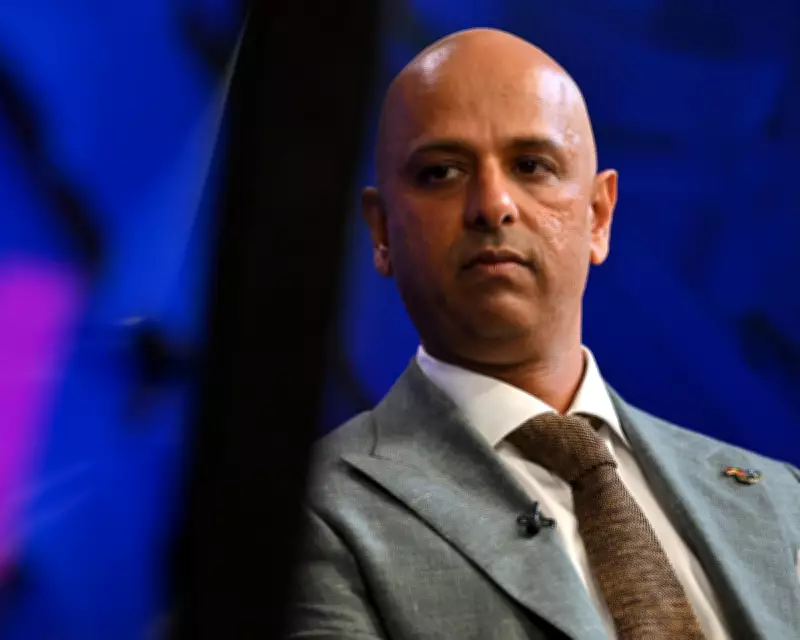
According to the documents, which were requested by the Greens and cover communications between the commission and Attorney General Michelle Rowland, Race Discrimination Commissioner Giridharan Sivaraman wrote five separate letters to the government. He also held at least two meetings with Rowland, pleading for the adoption of the proposed national anti-racism framework.
In each of her four written responses, Rowland stated that the recommendations were "being carefully considered" by the government. The framework, which was delivered to the government and published in November 2024, contains sixty-three specific recommendations aimed at addressing structural racism across Australian society.

Key Recommendations Gathering Dust
The proposed framework includes several significant measures that have yet to be addressed. These recommendations call for establishing a national anti-racism taskforce, creating a standalone Human Rights Act, and implementing a positive duty to eliminate racism across various sectors including employers, businesses, healthcare, and housing.
Labor previously introduced a similar positive duty to eliminate sexual harassment in 2022, demonstrating that such legislative mechanisms are within the government's capability. The contrast between these actions has raised questions about the government's commitment to addressing racial discrimination with the same urgency.
Government Defense and Community Frustration
The government has defended its response by pointing to the upcoming royal commission into antisemitism and work conducted by special envoys on Islamophobia and antisemitism. However, critics note that the government has also failed to respond to the special envoy reports, creating a pattern of commissioning studies without implementing their findings.
Greens Deputy Leader Mehreen Faruqi described the documents as revealing a "clear and troubling pattern" of the government receiving reports but failing to act on them. "Time after time, the race discrimination commissioner has urged this government to act, and every time his pleas have been ignored," Faruqi stated.
Internal Labor Divisions Emerge
Frustration with the government's lack of response extends within Labor ranks. Former cabinet minister Ed Husic, who served as the first Muslim frontbencher, has repeatedly called on his party to tackle racism more aggressively. "We have an issue with racism in this country," Husic stated in a March podcast interview. "The anti-racism framework, we haven't responded to that, we've got to get working on it."
Other Labor MPs have privately expressed their desire for a formal response to the framework to demonstrate the government takes racism seriously. One MP suggested the commissioner was "owed" a response and questioned whether the royal commission would adequately address broader racism issues beyond antisemitism.
Community Leaders Demand Action
Islamic and Jewish community leaders have joined the call for implementation of the framework. Imam Shadi Alsuleiman, president of the Australian National Imams Council, emphasized "we need implementation" of the plan. Dr. Rateb Jneid, president of the Australian Federation of Islamic Councils, urged the government to introduce the positive duty to prevent racism, noting rising Islamophobia since the framework's launch.
Bart Shteinman, executive officer of the Jewish Council of Australia, described the framework as the most "comprehensive, evidence-based, and consulted on" approach to tackling antisemitism and racism. Peter Doukas, chair of the Federation of Ethnic Communities Council of Australia, called implementing the framework a "no brainer" given Australia's current social cohesion challenges.

Commissioner's Urgent Warning
In a particularly poignant letter dated September 1 following anti-immigration rallies targeting the Indian community, Commissioner Sivaraman wrote: "Until we address the structural roots of racism and reform our systems and institutions, this racist bile will continue to spill onto our streets, making all of us less safe."
Rowland responded three weeks later that the government was still "carefully considering" the framework recommendations alongside the special envoys' reports. The royal commission is scheduled to deliver its findings in December, but community advocates worry this timeline further delays urgent action on systemic racism.