Labour's Controversial Move to Block Andy Burnham's Parliamentary Ambitions
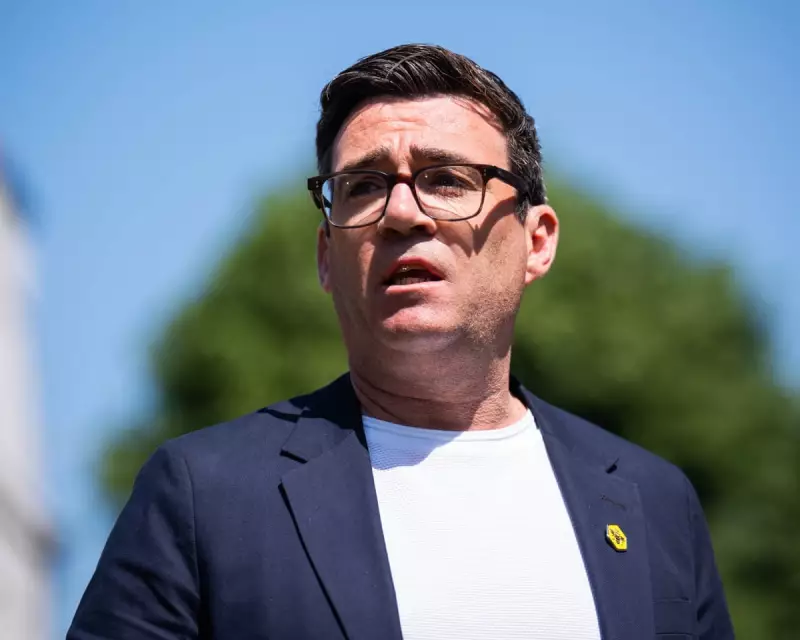
The political landscape in the UK has been rocked by a significant decision from the Labour party, as the Mayor of Greater Manchester, Andy Burnham, has been barred from standing as an MP in the upcoming Gorton and Denton by-election. This move, voted on overwhelmingly by a 10-strong officers' group of Labour's ruling body, including the prime minister, has plunged the party into fresh turmoil and ignited debates about leadership and factionalism.
The Decision and Its Immediate Fallout
By rejecting Burnham's request to stand, Labour has temporarily staved off a potential leadership challenge, but at a high cost. The decision has been met with fierce criticism from within the party, with some Labour MPs and union backers describing it as "petty factionalism," a "huge mistake," and cowardly. Critics argue that it represents a failure by the party leadership to embrace one of the country's most popular Labour politicians, highlighting a deep divide within the ranks.
No 10 hopes that this anger will blow over quickly, aiming to end what one senior cabinet member termed Labour's ongoing "psychodrama." However, by attempting to put out one fire, the party may have inadvertently ignited several others, as the decision raises questions about internal democracy and strategic direction.
Andy Burnham's Political Journey and Manchesterism
Andy Burnham's political evolution has been marked by significant shifts. Initially seen as a centrist "Mr Cabinet Minister" during his leadership bids in 2010 and 2015, his transformation began with his involvement in the Hillsborough inquiry, where he advocated for justice, and deepened when he became Mayor of Greater Manchester in 2017. Here, he developed "Manchesterism," a governance model described as soft left, pro-growth, and interventionist, focusing on devolution and public ownership of utilities.
A key example of this ideology is the Bee Network, Greater Manchester's integrated transport system that links buses, trams, cycling, and walking. This initiative is praised as a model for UK cities outside London, showcasing Burnham's practical approach to local governance and his ability to implement progressive policies.
The Procedural Justification and Political Implications
Labour's leadership justified the decision on procedural grounds, citing party rules that prevent mayors from standing as MPs due to their policing responsibilities. Allowing Burnham to stand would have triggered a costly mayoral by-election in Greater Manchester, covering 27 constituencies, and created a political distraction during a critical period leading up to local elections in May.
However, this move comes amid dire polling for Labour and Keir Starmer, with some MPs fearing that the party's current trajectory could lead to significant losses, particularly with the growing threat from Reform UK. Burnham's supporters argue that his charismatic leadership and clear vision could help turn the polls around, making this more than just a personal ambition but a strategic necessity for the party's survival.
The Upcoming By-Election and Future Scenarios
With Burnham barred, the Gorton and Denton by-election is set to be a tough three-way race. Labour's previous majority of about 13,400 may be challenged by strong candidates from Reform UK and the Greens, potentially leading to a loss that could embarrass Starmer and increase pressure to accommodate Burnham in the future.
If Labour loses the seat, calls may grow to offer Burnham the next available parliamentary opportunity. Former Labour deputy leader Tom Watson has predicted that Burnham will become an MP "sooner rather than later," but timing and location will be crucial, as a failed bid could end his career.
Broader Challenges for Labour and Keir Starmer
Keir Starmer faces numerous challenges ahead, including international diplomacy with China and maintaining support for Ukraine, all while focusing on domestic issues like the cost of living. No 10 argues that beating Reform UK requires improving daily lives through better schools, hospitals, and economic conditions, but internal divisions and external threats complicate this message.
With local elections looming, Labour is forecast to perform poorly in Wales and face threats in traditional strongholds in England and London, where Reform UK and the Greens are gaining ground. This precarious situation underscores the high stakes of the current political climate.
In summary, Labour's decision to block Andy Burnham has exposed deep rifts within the party, setting the stage for a contentious by-election and raising questions about leadership and strategy. As the political drama unfolds, the outcomes could significantly impact Labour's future and the broader UK political landscape.