Labour Ministers Examine Radical Tax Cut Proposals
Senior cabinet ministers have reviewed a comprehensive blueprint outlining how the Labour government could implement significant tax reductions on work while confronting powerful vested interests that profit from the ongoing cost of living crisis. The detailed draft paper, prepared by the Labour Growth Group in collaboration with the Good Growth Foundation, advocates for a fundamental transformation of Labour's economic strategy and communication approach to prevent the rise of far-right political movements.
Proposed Tax Reforms and Funding Mechanisms
The policy proposals, which remain under development, include substantial cuts to income tax rates and the complete abolition of national insurance contributions. To finance these ambitious reductions, the report explores multiple funding options including equalizing capital gains tax with income tax in specific sectors, implementing comprehensive council tax reform, and introducing new taxation measures targeting landowners.
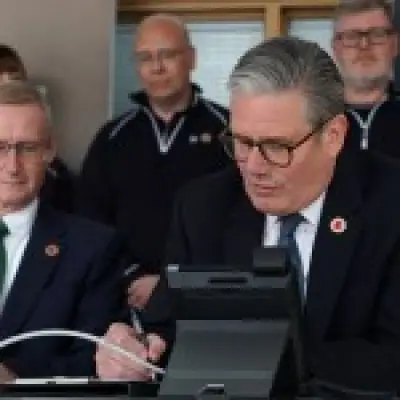
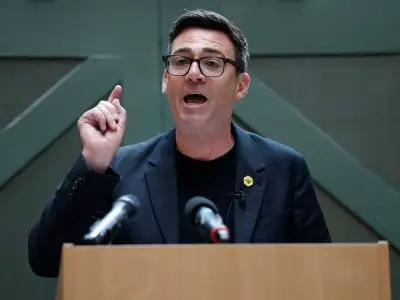
Several cabinet ministers and potential leadership contenders have reportedly examined the document. Advisors to prominent figures including Health Secretary Wes Streeting, former deputy prime minister Angela Rayner, and Greater Manchester Mayor Andy Burnham—all considered frontrunners to potentially succeed Sir Keir Starmer—have engaged with the research and recommendations.

Strategic Timing and Political Implications
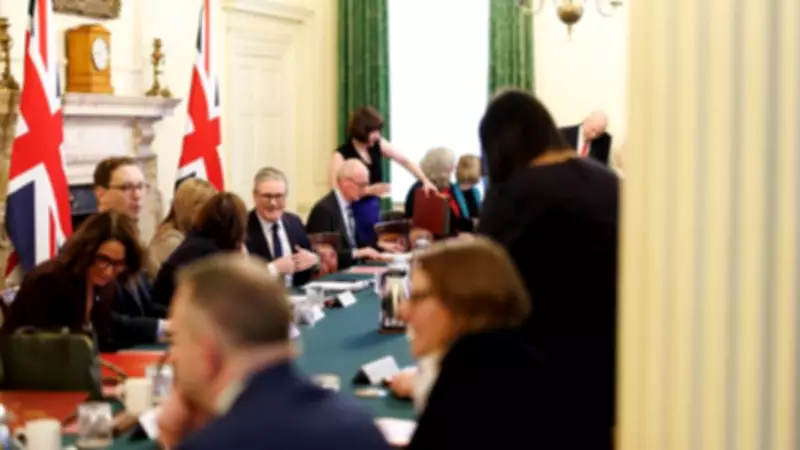
The report is scheduled for publication immediately following the crucial May local elections, a pivotal moment when the prime minister could confront a serious leadership challenge if results prove as disappointing as current predictions suggest. Sir Keir has consistently affirmed his determination to continue leading the party, though any successful challenge would require support from at least 80 Members of Parliament.
Considerable uncertainty surrounds which potential candidate could realistically secure sufficient parliamentary backing, particularly following the controversial decision to block Andy Burnham from standing in the Gorton and Denton by-election that Labour ultimately lost. The report's release during this politically vulnerable period intensifies pressure on the prime minister, whose declining poll numbers are frequently attributed to perceived failures in addressing the cost of living crisis and effectively communicating Labour's core values.
Addressing Economic Discontent
The comprehensive document proposes specific policies to combat the cost of living crisis while outlining strategies for effectively communicating these measures to the public. It argues that Labour must fundamentally redesign the tax system to properly reward hard work, with enhanced incentives for entrepreneurs and small business owners. The report identifies voter frustration stemming from the perception that "doing the right thing" often leaves individuals disadvantaged, urging the party to directly confront entities that profit from exploiting ordinary citizens.
Mark McVitie, director of the Labour Growth Group, emphasized the need for substantive solutions rather than mere diagnosis: "Everyone in politics correctly identifies the cost of living crisis, but that's insufficient. When you visit a doctor, you don't simply want confirmation that you're ill—you expect them to determine the cause and implement a cure. This project aims to achieve exactly that. Until we can address root causes and challenge vested interests profiting from systemic problems, we're merely administering painkillers for a condition that continues deteriorating."
Rewarding Work and Expanding Devolution
The Labour strategist stressed that the party must maintain "laser focus on rewarding work and taking initiative," highlighting inequities where nurses working sixty-hour weeks or small business owners face higher marginal tax rates than institutional landlords. The draft paper, tentatively titled the Beveridge Report in homage to Sir William Beveridge's foundational welfare state work, also emphasizes expanding devolution arrangements to grant regional mayors substantially greater fiscal authority and decision-making power.

More than one hundred Labour MPs collaborate with the Growth Group, whose parliamentary chair is former YouGov pollster Chris Curtis. The organization focuses on identifying and removing barriers to economic growth, which the government identifies as one of its central missions. While the Office for Budget Responsibility forecasts average annual GDP growth of 1.5% between 2027 and 2030, many parliamentarians worry voters won't experience tangible benefits without more aggressive action on everyday living costs.
Sir Keir began the year pledging "laser focus" on the cost of living, but this reset has been overshadowed by the Peter Mandelson scandal and further complicated by the Iran conflict's potential to drive prices even higher.