Labour Ministers Criticised for Celebrating Insignificant Economic Improvements
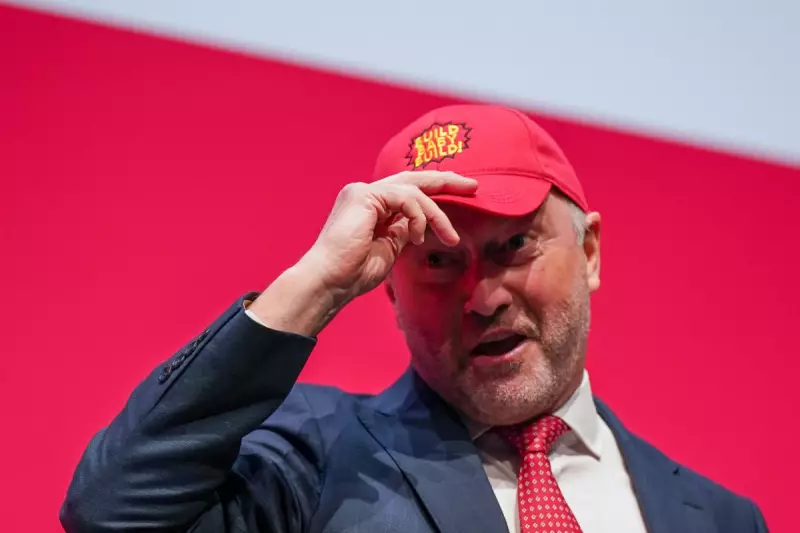
Housing Secretary Steve Reed recently made headlines by complaining that newspapers were burying positive economic stories. In a social media video, he highlighted an International Monetary Fund (IMF) forecast revision and an increase in housing starts as evidence of progress under Labour. However, a closer examination reveals these supposed victories are marginal at best, masking more profound structural issues in the British economy.
The Reality Behind the IMF Growth Adjustment
Reed enthusiastically pointed to an IMF update that raised the UK's projected growth for 2025 from 1.3% to 1.4%, placing Britain third among G7 nations. While technically accurate, this minor adjustment represents a rounding error rather than a meaningful economic turnaround. When compared globally, the UK trails significantly behind countries like Spain (estimated at 2.9% growth) and Poland (3.3%). This context explains why such news warranted only a brief mention on page 42 of newspapers.
Housing Starts: Superficial Uptick Conceals Alarming Decline
The housing secretary also celebrated an 18% increase in new housing starts, portraying it as a policy success. Yet analysis from the Centre for Policy Studies (CPS) reveals a much grimmer picture. During the 2024/25 financial year, every English region recorded fewer housing starts than the previous year. London experienced a particularly dramatic 72% decline, with only 4,170 new homes beginning construction.
Even with recent improvements, Britain faces a housing shortfall of approximately 6.5 million homes compared to European neighbours. Starting from such a low base makes minor increases statistically insignificant rather than cause for celebration.
The Need for Substantial, Sustained Economic Growth
Britain's economic stagnation over recent decades has created a situation where ministers feel compelled to highlight microscopic improvements. This resembles a school celebrating being "most improved" while teetering on the edge of special measures – progress is welcome but hardly warrants extravagant celebration.
The country requires robust, sustained growth rather than marginal statistical adjustments. CPS research indicates that to support an ageing population and rising welfare costs, the UK needs annual growth of 2.9% over the next fifty years – a target achieved only twice in the past two decades excluding post-pandemic recovery.
Addressing Growth Challenges Through Collaborative Discussion
The upcoming Margaret Thatcher Conference on April 27th will bring together over 400 business leaders, policymakers, and campaigners to address Britain's growth crisis. Rather than focusing on marginal gains, discussions will explore how to achieve meaningful, sustained economic expansion that benefits all citizens.
Participants will include both established business leaders with international experience and small business owners navigating regulatory challenges. This diversity of perspective is essential for developing comprehensive solutions to Britain's economic challenges.
Finding and maintaining substantial growth will be difficult but imperative for funding public services and ensuring future prosperity. The current approach of celebrating minor improvements distracts from the urgent need for transformative economic policies that can deliver genuine prosperity for Britain.