Labour's Historic Manchester Stronghold Faces Unprecedented Challenge
The upcoming Gorton and Denton by-election in east Manchester represents a pivotal moment for British politics, with the Labour Party confronting threats from both flanks that could see them lose a seat they have held since before the Second World War. Scheduled for 26 February 2026, this contest has become a crucial test for Prime Minister Sir Keir Starmer's leadership, with some Labour MPs suggesting a poor result could trigger a coup against him.
A Constituency Divided by Demographics and Politics
This east Manchester constituency, characterised by political scientist Rob Ford as shaped like a hammer, contains dramatically different communities within its boundaries. The southern handle of the hammer encompasses ethnically diverse wards with substantial Muslim populations alongside significant numbers of students and young graduates. Professor Ford notes this area represents precisely the kind of territory where Labour has been losing support to the Greens in recent national polling.
Conversely, the northern head of the hammer, including Gorton and wards in Tameside, presents a very different demographic profile. These areas are approximately 90% white, more working-class, and contain fewer graduates. Ford identifies this as the kind of terrain where Labour has been losing ground to Reform UK recently, highlighting how the constituency's geography mirrors the party's national challenges.

The Burnham Factor and Leadership Decisions
Sir Keir Starmer has created this pivotal by-election through his own decision-making, specifically his choice to block Andy Burnham from standing as the Labour candidate. Voters in Gorton and Denton widely regarded Burnham as the strongest possible candidate, with Joshi Herman of the Manchester Mill journalism website noting that had Burnham been the Labour candidate, they would have been strong favourites to win. Burnham's popularity as Mayor of Greater Manchester resonates particularly well in communities like those within this constituency.
With the leader of Manchester City Council also avoiding this race, Labour faces significant challenges in developing a coherent campaign strategy that can unite the constituency's diverse communities. The party must navigate between very different, highly charged local issues in the two halves of the seat.
Dual Threats from Left and Right
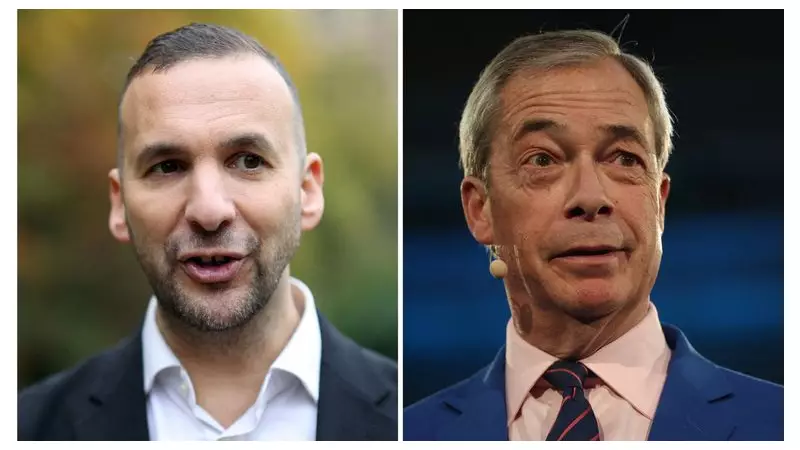
The Green Party, under new leader Zack Polanski, sees this by-election as what Polanski has called the "blockbuster" by-election of this parliament. For Polanski, who is not yet an MP and has decided not to stand in this contest himself, translating membership numbers and polling figures into an actual electoral victory would represent a massive coup. He aims to position the Greens as the heir to Jeremy Corbyn's shade of Labour politics, attracting voters disillusioned with Starmer's leadership.
Meanwhile, Reform UK has unveiled academic and television pundit Matt Goodwin as their candidate. While their campaign launch mentioned but did not dwell on more contentious issues like grooming gangs, they are preaching to voters who believe Britain is broken and only their brand of radicalism can fix it. Nigel Farage's party has been welcoming numerous Tory defectors this month, building momentum ahead of the crucial vote.
Campaign Dynamics and National Implications
The campaign is likely to feature polarising identity politics from Reform UK, potentially focusing on issues like crime, grooming, gangs, and immigration. In the more Muslim and young professional areas, campaigning will heavily emphasise Gaza, particularly with the Workers Party fielding a high-profile candidate in the Gorton section. These dynamics point toward a campaign dominated by Reform UK and the Greens slugging it out, with Labour struggling to find its voice.

The fundamental question remains how hard Labour will fight to retain this seat, given the potential consequences for the Prime Minister's future. The party could deploy significant resources, with neighbouring MPs including Angela Rayner, Lisa Nandy, and chief whip Jonathan Reynolds potentially campaigning extensively. Starmer himself might make appearances, mirroring the approach taken during the Batley and Spen by-election when his leadership was similarly threatened.
Alternatively, Labour might quietly allow this contest to slip away, recognising it as a costly diversion and probable lost cause regardless of their efforts. The decision will reveal much about the party's strategic thinking and confidence in its national position.
A Watershed Moment for British Politics
This by-election represents more than just another parliamentary contest; it serves as a microcosm of the fractures reshaping British politics. The possibility that Labour could finish third in a seat they have held since before the Second World War underscores how dramatically the political landscape has shifted. The outcome will provide crucial insights into whether traditional party loyalties can withstand the pressures of populism and identity politics.
As 26 February approaches, all eyes will be on this east Manchester constituency. The campaign's conduct and final result will reveal not just who wins on the night, but the direction of British politics for years to come. For Sir Keir Starmer, the stakes could hardly be higher, with his political future potentially hanging in the balance based on voters' decisions in this historically Labour stronghold.