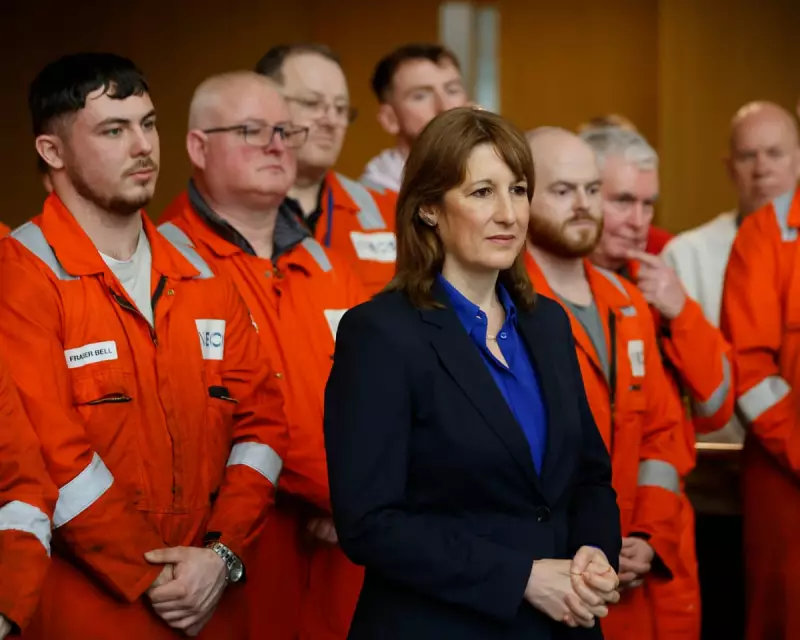
Chancellor Rachel Reeves's recent visit to the INEOS ethylene plant in Grangemouth, Scotland, on 17 December 2025, symbolised a government seeking to connect with Britain's industrial heartland. Yet, behind the photo opportunities, Labour faces a political crisis of remarkable speed and scale.
A Collapse in Support Without a Major Crisis
As the UK enters 2026, the Labour government confronts a paradox. Opinion polls indicate the party's support has nearly halved, plummeting from 34% at the July 2024 general election to just 18%. This disillusionment has set in with unprecedented speed. Historically, such severe negativity is reserved for governments presiding over economic disasters—think double-digit unemployment or crashing house prices.
However, the economic backdrop of 2025, while far from stellar, has not been catastrophic. Growth has been sluggish, mirroring the mediocre performance seen since the 2008 financial crisis. Unemployment has risen to 5.1%, a full percentage point higher than when Labour took office, but remains far below the peaks of the 1980s and 1990s recessions. For many in work, living standards have actually improved as wage growth has finally outpaced inflation.

Historical Precedents Suggest Labour Should Be Faring Better
The current government's unpopularity is stark when compared to past Labour administrations that weathered far fiercer storms. In 1947, Clement Attlee's government faced fuel shortages and a sterling crisis. In 1975, inflation soared to 25%, leading to an IMF bailout. In 2008, the banking crisis triggered a recession where the economy shrank by over 6%.
In contrast, the UK economy grew by just over 1% in the past year. Yet, Prime Minister Keir Starmer is now the most unpopular on record, with ratings worse than Jim Callaghan's during the Winter of Discontent or Gordon Brown's after the financial crash.
Why the Rapid Disenchantment?
Several factors are likely converging to explain this rapid loss of faith. Public patience has worn thin after nearly fifteen years of stagnant living standards. Life remains genuinely tough for many, particularly younger people. The government's lack of a compelling, tangible plan for improvement has been exposed. Furthermore, non-economic issues like immigration and asylum may now be weighing more heavily on voters' minds.
Policy missteps may also be playing a role. Critics argue the Bank of England has been too slow to cut interest rates, with last week's reduction from 4% to 3.75% seen as 'too little, too late'. Meanwhile, Chancellor Reeves's decision to raise employers' National Insurance contributions in her 2024 budget has made hiring more expensive.
A Dangerous Lack of Momentum
The economy ends 2025 with little forward momentum. Business confidence is weak, and consumer spending on the high street fell in both October and November. The Bank's rate cut was a response to an economy in real distress, not just sluggishness.
The political danger for Labour is acute. There would be no recovery from even a short, shallow recession given the government's current phenomenal unpopularity. While the next election could be as far away as 2029, the government is living in a 'fool's paradise' if it believes it has plenty of time to turn the situation around. The coming year may see conditions worsen before they improve, leaving Rachel Reeves and Keir Starmer with a perilously narrow path to political recovery.