The Labour government has unveiled a radical shakeup of how it communicates with the press and public, a move immediately criticised as a blow to transparency. Sir Keir Starmer's administration will replace the long-standing system of daily briefings from the prime minister's spokesperson with a new schedule of regular ministerial news conferences.
What are the new communication rules?
The reforms, announced in a letter from Downing Street communications director Tim Allan on Thursday 18 December 2025, will take effect from January. The key change is the axing of the twice-daily lobby briefings, where accredited political journalists could question the PM's official spokesperson on any topic on weekday mornings and afternoons.
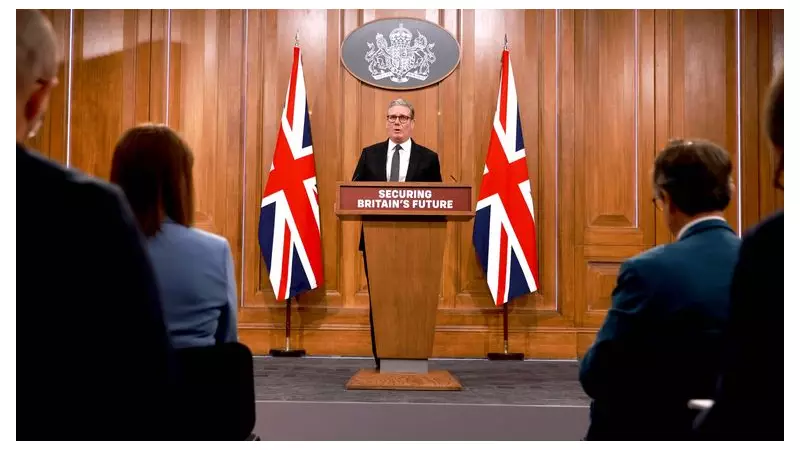
Instead, the government will hold a series of morning news conferences featuring ministers, and occasionally the prime minister, to set out the main announcements of the day. These will be open to a wider pool, including lobby journalists, sector-specific reporters, and "content creators" – a term Number 10 did not explicitly define.

The traditional afternoon briefing has been scrapped entirely. Mr Allan, a former adviser to Tony Blair, argued it was "not a good use of journalists' time or a good use of our communications resources" because it often repeated information. It will be replaced by occasional afternoon conferences tied to specific new announcements.
Journalists react with fury and concern
The announcement, made shortly before Parliament broke for Christmas, provoked a fierce backlash from the political press corps. The outgoing and incoming chairs of the parliamentary lobby, David Hughes of the Press Association and Lizzy Buchan of the Daily Mirror, issued a joint statement.
They said they were "greatly concerned by this step and furious that the lobby was not consulted". They warned the move restricts access and scrutiny, allowing ministers to control the timetable and potentially choose who asks questions. "None of this bodes well for transparency from a government which came into office promising to raise standards," they added.
Political fallout and government defence
The Conservative opposition seized on the controversy, accusing Sir Keir of "running scared" of scrutiny. A spokesman for Kemi Badenoch said: "This is a Labour government that hates scrutiny and blames everyone else for its failings. A future Conservative government would reverse these changes and restore the afternoon lobby."
In defence of the shakeup, Tim Allan stated the reforms "are needed to better serve journalists and to better inform the public". He claimed they would ensure the process is "as efficient and as effective as possible" and would give journalists outside the traditional lobby system greater access. The government has also promised occasional technical briefings with officials to delve into policy details.
The Downing Street briefing room, which became a familiar sight during the COVID-19 pandemic under the previous Conservative administration, will now host a different style of government communication, the success of which will be closely watched by both media and public.