Labour's Internal Power Struggle Intensifies as 'Stop Andy Burnham' Campaign Gains Momentum
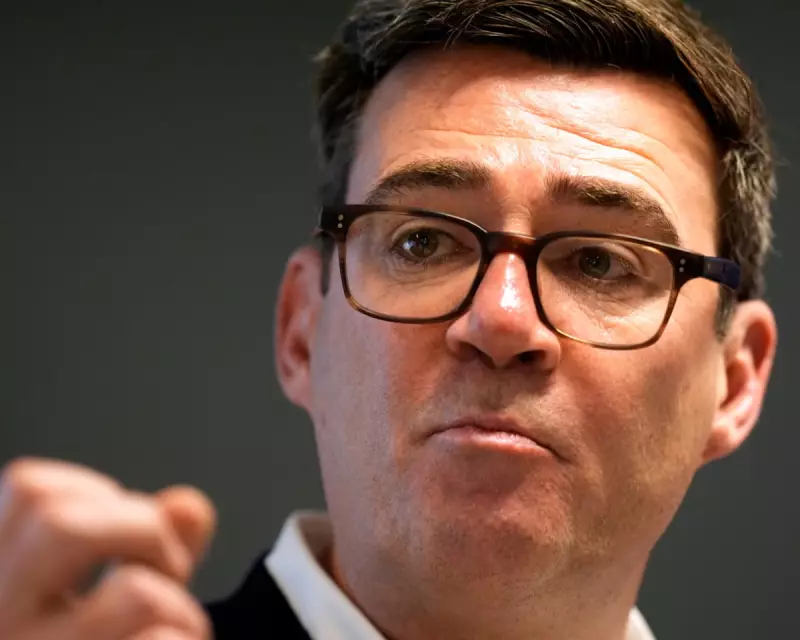
Andy Burnham, the Labour Mayor of Greater Manchester and former MP who held multiple cabinet positions, finds himself at the centre of a political storm. Allies of Prime Minister Keir Starmer have initiated a concerted effort to block Burnham's potential return to parliament, following the resignation of Manchester MP Andrew Gwynne due to ill health. This move has sparked widespread speculation about Burnham's ambitions to challenge Starmer for the Labour leadership, revealing deep fissures within the party.
Strategic Moves to Thwart Burnham's Parliamentary Ambitions
The Labour party machinery, tightly controlled by Starmer's chief of staff Morgan McSweeney and his loyalists, has swiftly mobilised to prevent Burnham from securing a candidacy in the upcoming byelection. Multiple members of the party's ruling National Executive Committee (NEC) have indicated that Burnham faces insurmountable odds in the selection process, given the prevalence of Starmer supporters on the committee. These figures argue that allowing Burnham to run would not only pose a political risk by potentially destabilising the leadership but also incur significant financial costs, diverting approximately £500,000 from other crucial election campaigns across Britain.
Burnham's allies, however, warn that any attempt to block him could provoke significant disquiet among MPs, trade unions, and party members. They emphasise that Burnham remains passionately committed to his role as mayor, only considering a return to national politics if he believes he can make a meaningful contribution. Despite this, Burnham has previously acknowledged receiving encouragement from MPs to run for Labour leader, a statement that caused consternation within Downing Street and among cabinet ministers.

Obstacles and Calculations in the Byelection Landscape
The path back to parliament for Burnham is fraught with challenges. Should he decide to run, he must first secure approval from the NEC, where Starmer's allies hold considerable sway. The committee could potentially impose an all-female shortlist to exclude him, though union representatives on the NEC might resist such overt interference. Even if Burnham navigates the selection process, he would then face a competitive byelection in Gorton and Denton, contending with Reform UK and pro-Gaza independent candidates.
Senior Labour figures express concerns that a Burnham candidacy could inadvertently benefit Reform UK, potentially allowing Nigel Farage's party to claim a symbolic victory in the Greater Manchester mayoralty if Burnham vacates the position. This scenario is viewed as a significant risk that the party leadership is keen to avoid. Additionally, some MPs and members worry that leadership speculation could destabilise the party ahead of local and devolved elections in May, further complicating Burnham's prospects.
Union Influence and Democratic Principles Under Scrutiny
The role of trade unions in this internal conflict is pivotal, with unions holding 13 out of approximately 40 seats on the NEC. While major unions like Unite, Unison, and the GMB have remained publicly silent, sources suggest they would likely oppose any perceived manipulation from No 10. Steve Wright, general secretary of the Fire Brigades Union, has condemned any potential blockage of Burnham as a "democratic outrage," pledging to fiercely resist attempts to "stitch up" the selection process.
Prime Minister Starmer has addressed the issue directly, urging his party to focus on pressing national concerns rather than internal leadership challenges. He emphasised that discussions about leadership contests distract from addressing the cost of living and global stability, reflecting his desire to maintain party unity and forward momentum.

Background and Implications of Gwynne's Resignation
Andrew Gwynne's decision to step down, citing deteriorating mental health, has triggered the byelection that could serve as Burnham's route back to Westminster. Gwynne, who holds a 13,413 majority in his constituency, denied any pre-arranged pact with Burnham, despite rumours of an agreement. His resignation comes amid an ongoing parliamentary standards investigation related to his involvement in a controversial WhatsApp group, adding another layer of complexity to the situation.
As the Labour party grapples with these internal dynamics, the outcome of this confrontation could have lasting implications for its leadership structure and electoral strategy. Burnham's popularity, evidenced by positive public approval ratings in contrast to Starmer's perceived unpopularity, underscores the high stakes involved. The coming weeks will reveal whether Burnham's ambitions are thwarted or if he can overcome the formidable obstacles placed in his path.