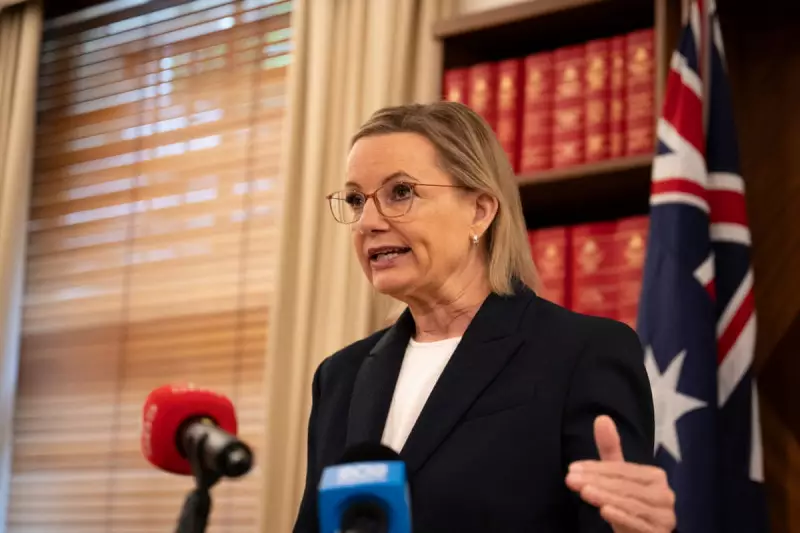
In the turbulent aftermath of the Nationals' dramatic departure from the Coalition, a palpable sense of crisis has engulfed the Liberal Party, with widespread speculation that Sussan Ley's tenure as leader is on the brink of collapse. Many Liberal MPs, reflecting on historically dismal opinion polls and a second Coalition rupture within eight months, have privately deemed Ley's position, in the words of one parliamentarian, "unsalvageable." This sentiment, initially voiced by conservative critics, has gradually permeated even among her supporters, who concede that time is running out.
Mounting Pressure and Leadership Challenges
As rumours of a leadership mutiny intensify, attention has turned to two prominent figures: Angus Taylor and Andrew Hastie, both seen as likely contenders to challenge Ley in a potential spill as early as next week. The prospect of such a move has cast a long shadow over the party, with many viewing it as an inevitable outcome given the current political climate. However, Ley's allies remain cautiously optimistic, pointing to two key factors that could delay or even thwart the impending coup.
Factor One: Backing Against Nationals' Ultimatum
The first element in Ley's favour stems from the widespread support within the Liberal ranks for her decision to accept the resignation of three Nationals senators who crossed the floor on Labor's hate speech laws. This move, which effectively stared down Nationals leader David Littleproud's threat to end the Coalition, was endorsed by the Liberal leadership team, including Taylor and other top conservatives like Michaelia Cash, James Paterson, and Jonno Duniam.

While some Liberals expressed unease about the rushed process behind supporting the hate speech legislation, the majority of the party room believed it was justified to outlaw extremist groups such as neo-Nazi organisations and Hizb ut-Tahrir. Crucially, most of Ley's colleagues blame Littleproud for the ensuing crisis and are reluctant to reward what they perceive as belligerent behaviour by acceding to his not-so-subtle ultimatum that the Liberals replace their leader to reunite the Coalition. To Ley's supporters, these events do not constitute a sackable offence, providing a moral high ground in the internal debate.
Factor Two: Factional Deadlock Among Challengers
The second factor buying Ley time is the unresolved leadership campaign within the conservative faction itself. The shadow contest between Taylor and Hastie, playing out in the media, has exposed deep divisions—including generational rifts—that threaten to derail the coup altogether. Hastie's backers insist that the former soldier has the faction's support and are urging the older Taylor to step aside. In contrast, sources indicate that Taylor, as the right's most senior member, is unwilling to relinquish his chance to run and has reportedly offered Hastie the deputy position as a compromise, which was refused.
This impasse has created a genuine stalemate, with Ley's supporters confident that the combination of the Taylor-Hastie deadlock and the reluctance to capitulate to the Nationals' demands will prevent any immediate challenge. As one Liberal powerbroker summarised, "Angus has the better claim (to be the right's contender). Hastie has the numbers. And Sussan has the support of the party room."
Underlying Motivations and Long-Term Planning
Beyond the surface issues of hate speech management and Coalition relations, Ley and her allies recognise that the push to overthrow Australia's first female Liberal leader is rooted in deeper hostilities. These tensions have simmered since Ley narrowly defeated Taylor in the post-election leadership ballot, with the recent events merely serving as a pretext for a coup that has been months in the planning.
Late last year, prior to the Bondi terror attack, conservative MPs were already discussing plans to move against Ley if the Coalition's dire polling failed to improve by the time of the federal budget in May—roughly 12 months into her tenure. However, any formal challenge was contingent on Taylor and Hastie first resolving which of them would represent the right faction against the moderate-aligned Ley, a question that remains unanswered and continues to fuel the current uncertainty.

As the Liberal Party navigates this period of intense internal strife, the outcome will hinge on whether the factional divisions can be bridged and if Ley can leverage the widespread disdain for the Nationals' tactics to solidify her position. For now, the leadership crisis remains in a precarious balance, with the potential for dramatic shifts in the coming weeks.